Wooden Handicraft · Bengal Woodcraft
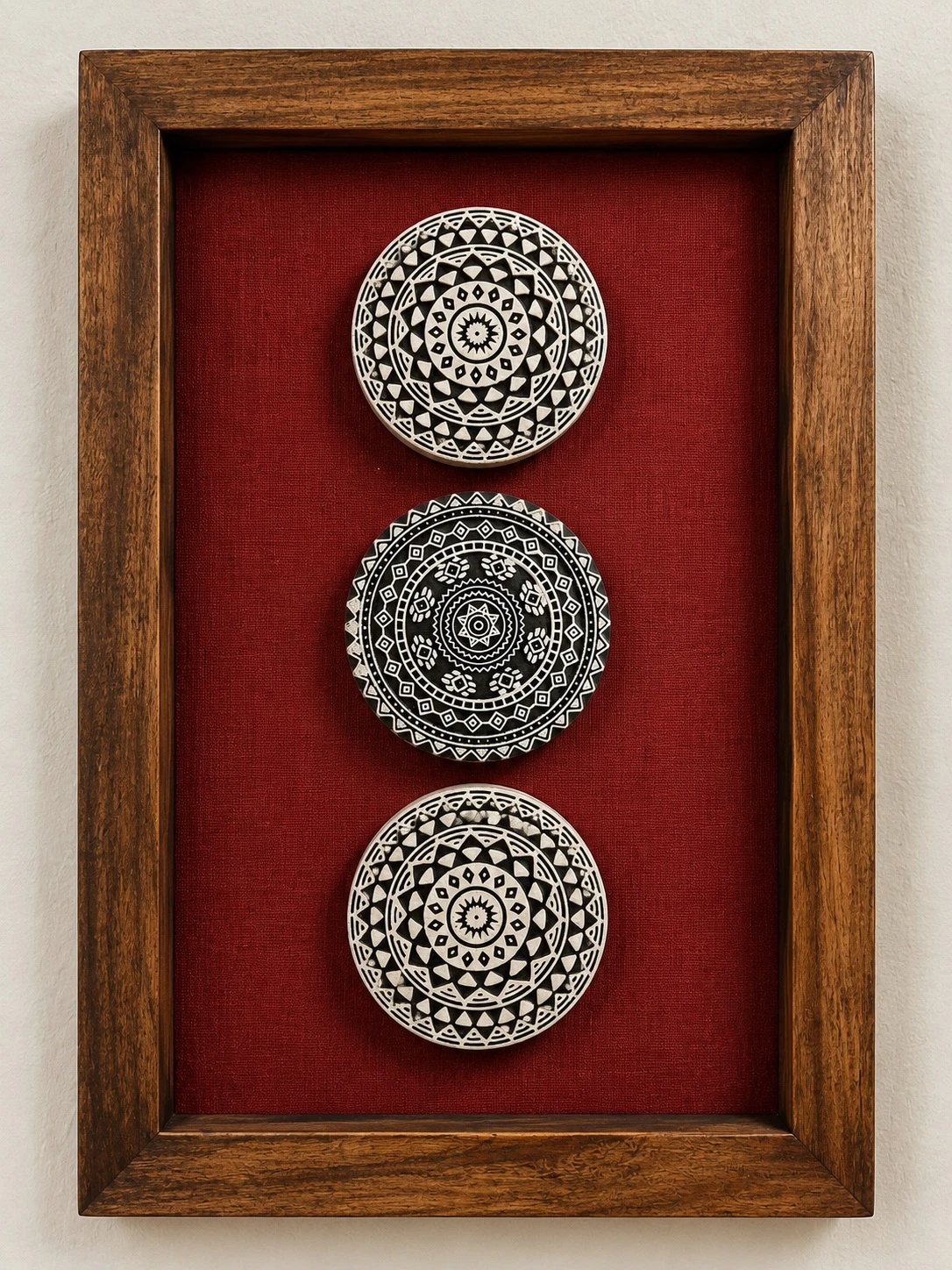
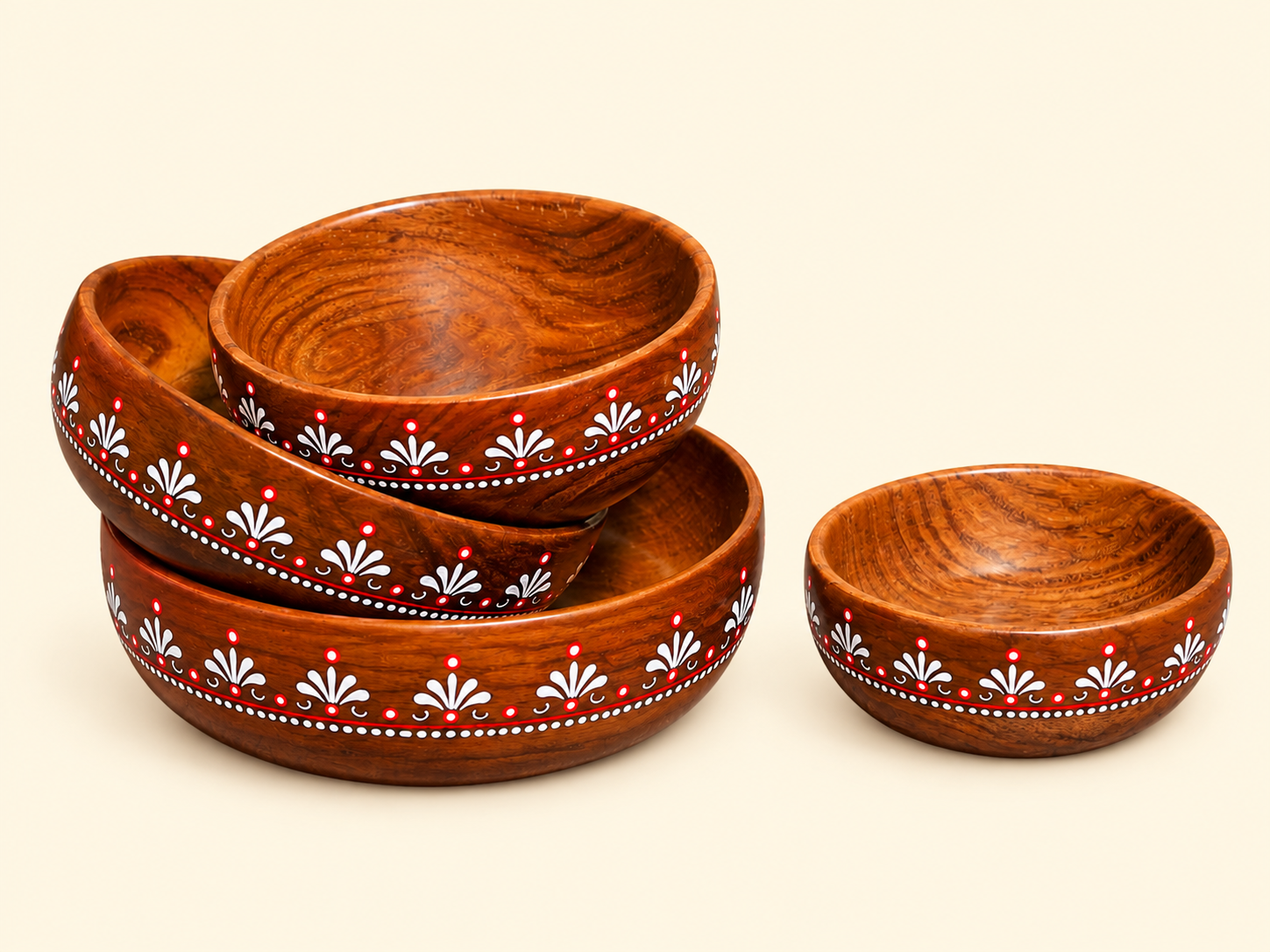
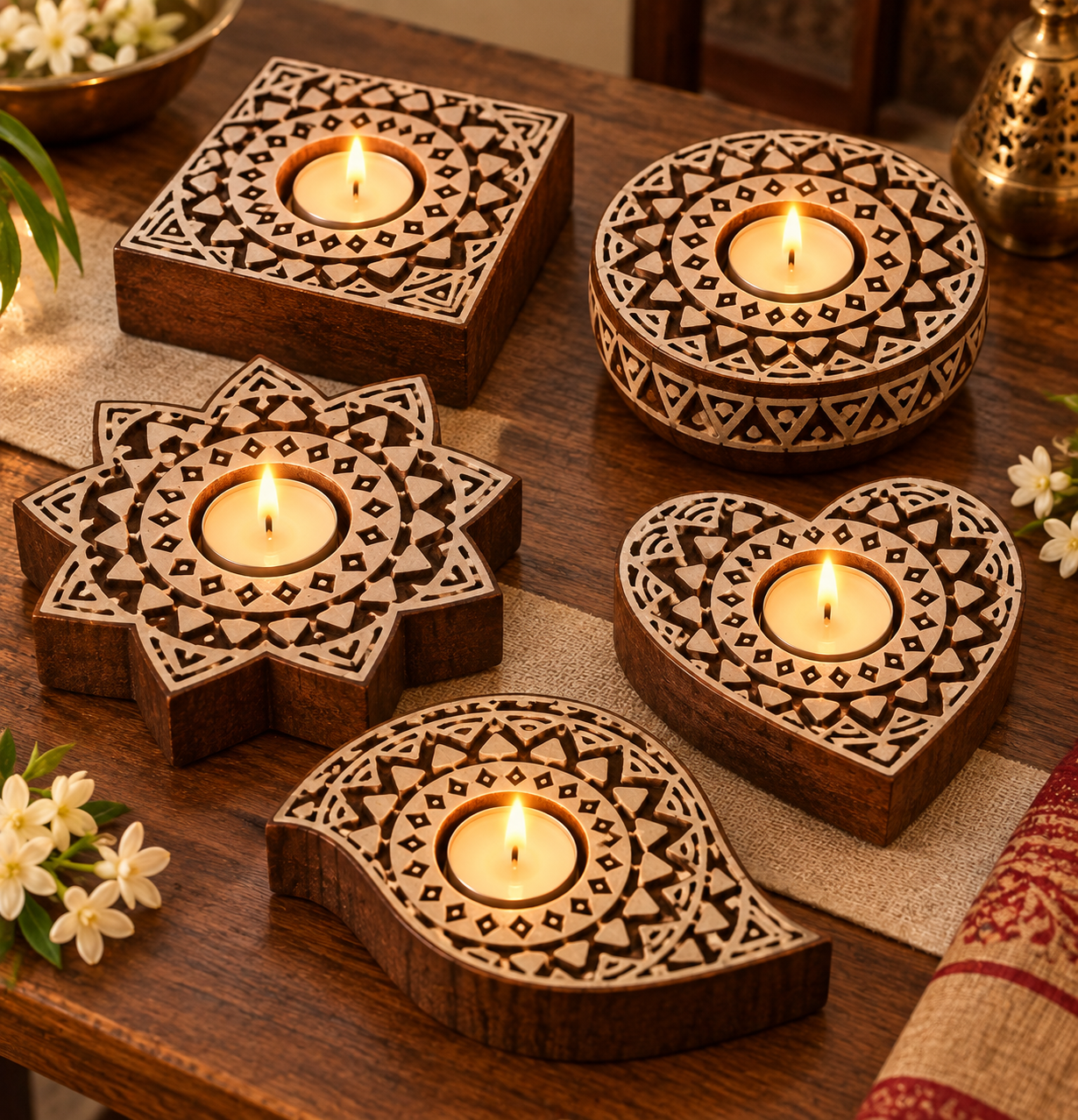
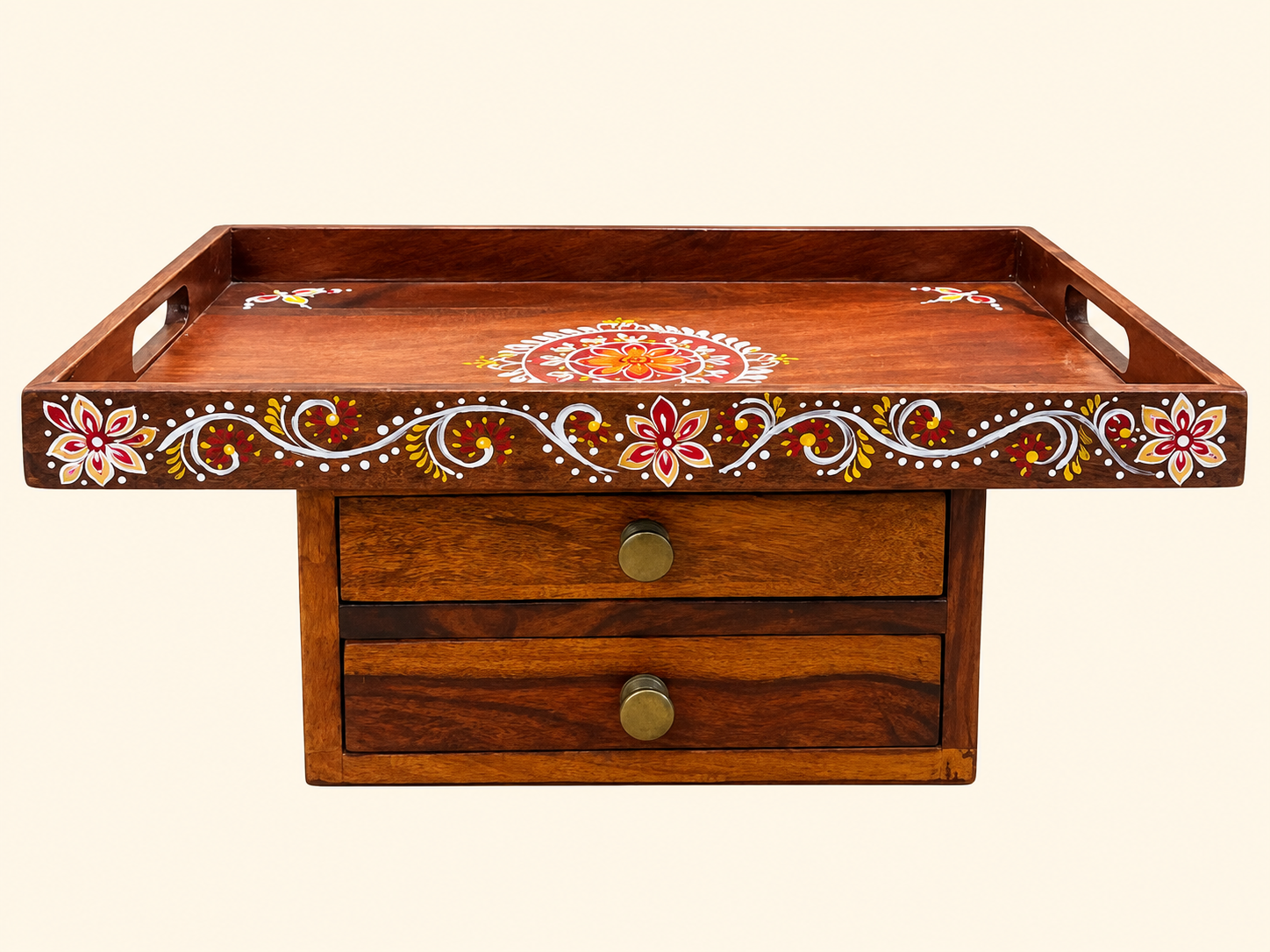
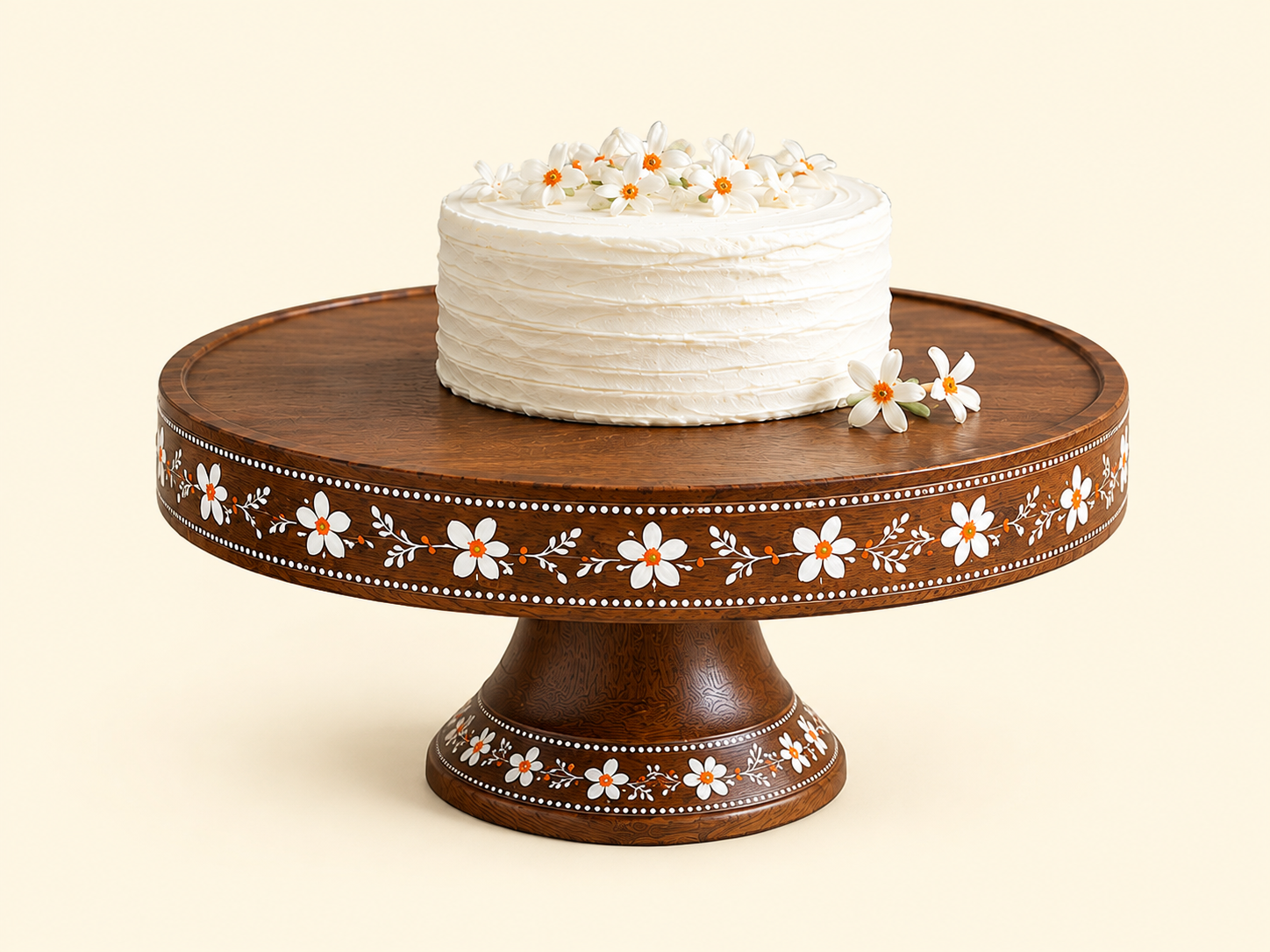
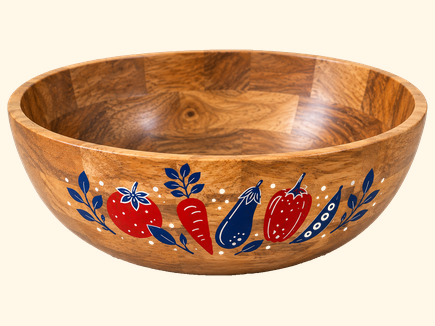
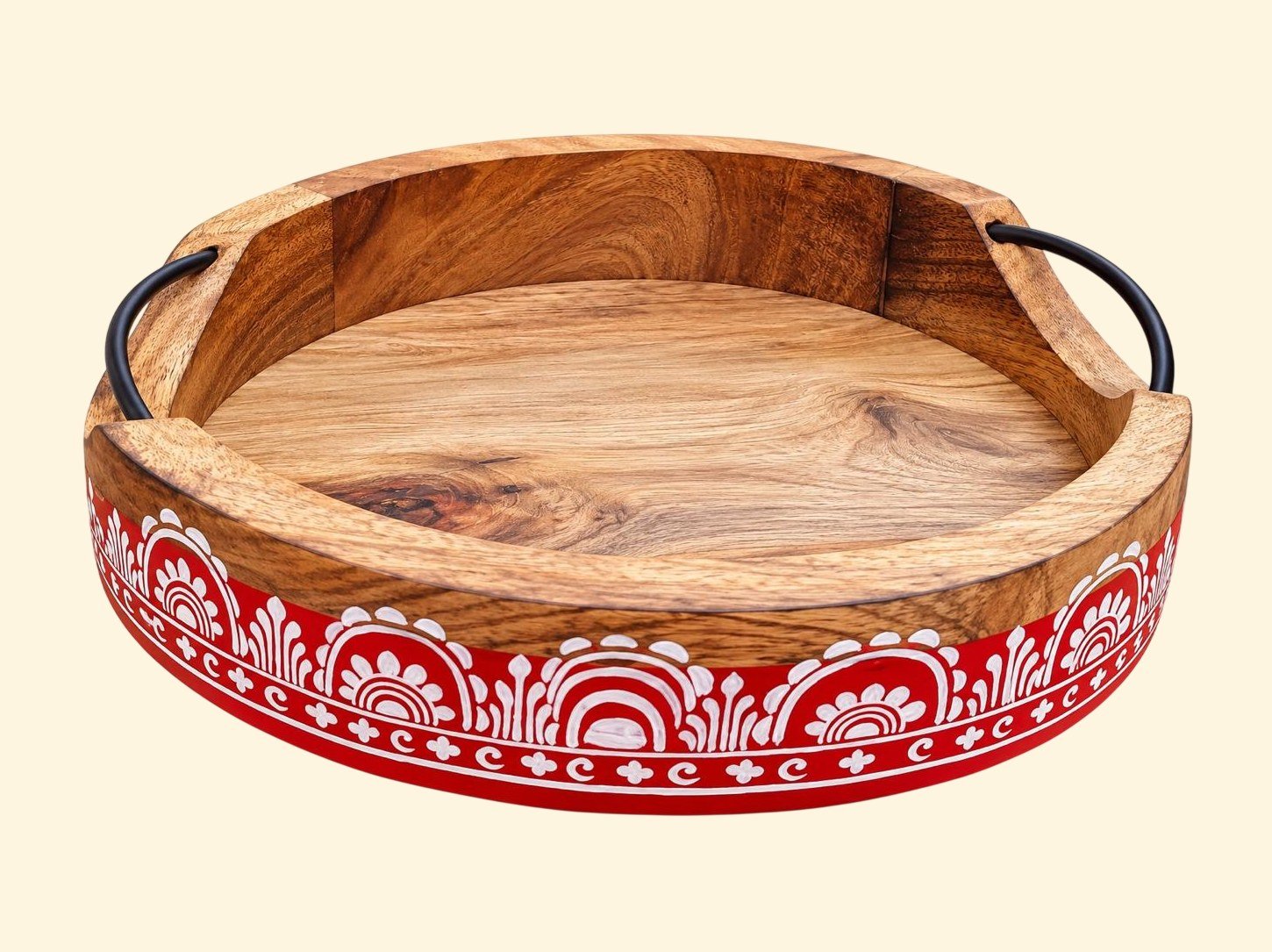
Across the villages of Bengal, wood has long been carved and painted rather than simply cut — owls and dolls whittled in Natungram, ritual masks chiselled in Kushmandi. Today the same woodturners and folk painters make things for the table and the wall: alpana-painted bowls, roti boxes and cake stands, owl clocks and stools, a ludo board painted with Kolkata.
Wooden Handicraft · Bengal Woodcraft
Wooden Handicraft · Bengal Woodcraft
Wooden Handicraft · Bengal Woodcraft
Wooden Handicraft · Bengal Woodcraft
₹2,199
Wooden Handicraft · Bengal Woodcraft
Wooden Handicraft · Bengal Woodcraft

Wooden Handicraft · Bengal Woodcraft
Wooden Handicraft · Bengal Woodcraft
Wooden Handicraft · Bengal Woodcraft

Wooden Handicraft · Bengal Woodcraft

Wooden Handicraft · Bengal Woodcraft
Wooden Handicraft · Bengal Woodcraft

Wooden Handicraft · Bengal Woodcraft
Wooden Handicraft · Patachitra
Wooden Handicraft · Patachitra
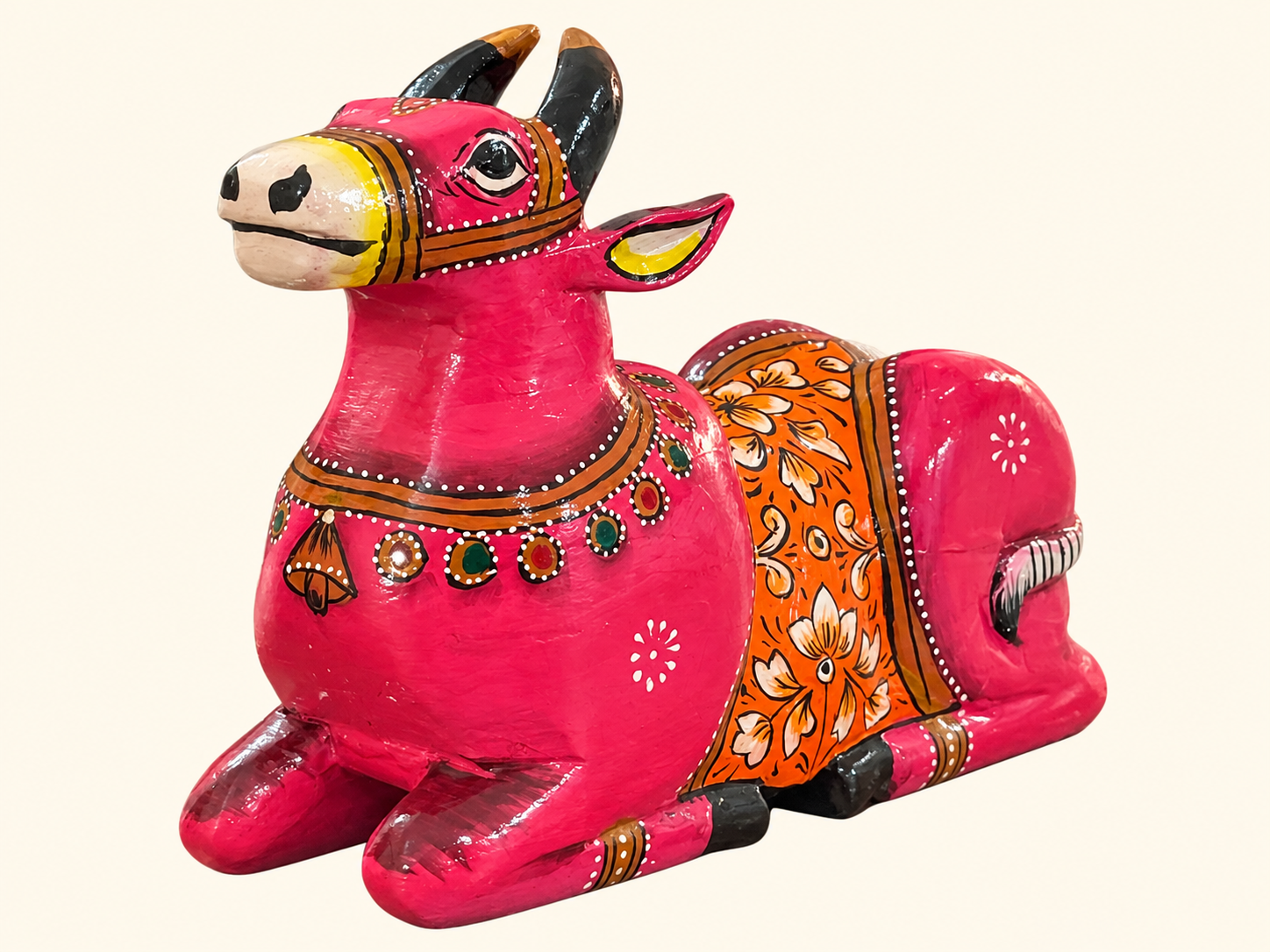
Wooden Handicraft · Hand-painted

Wooden Handicraft · Hand-painted
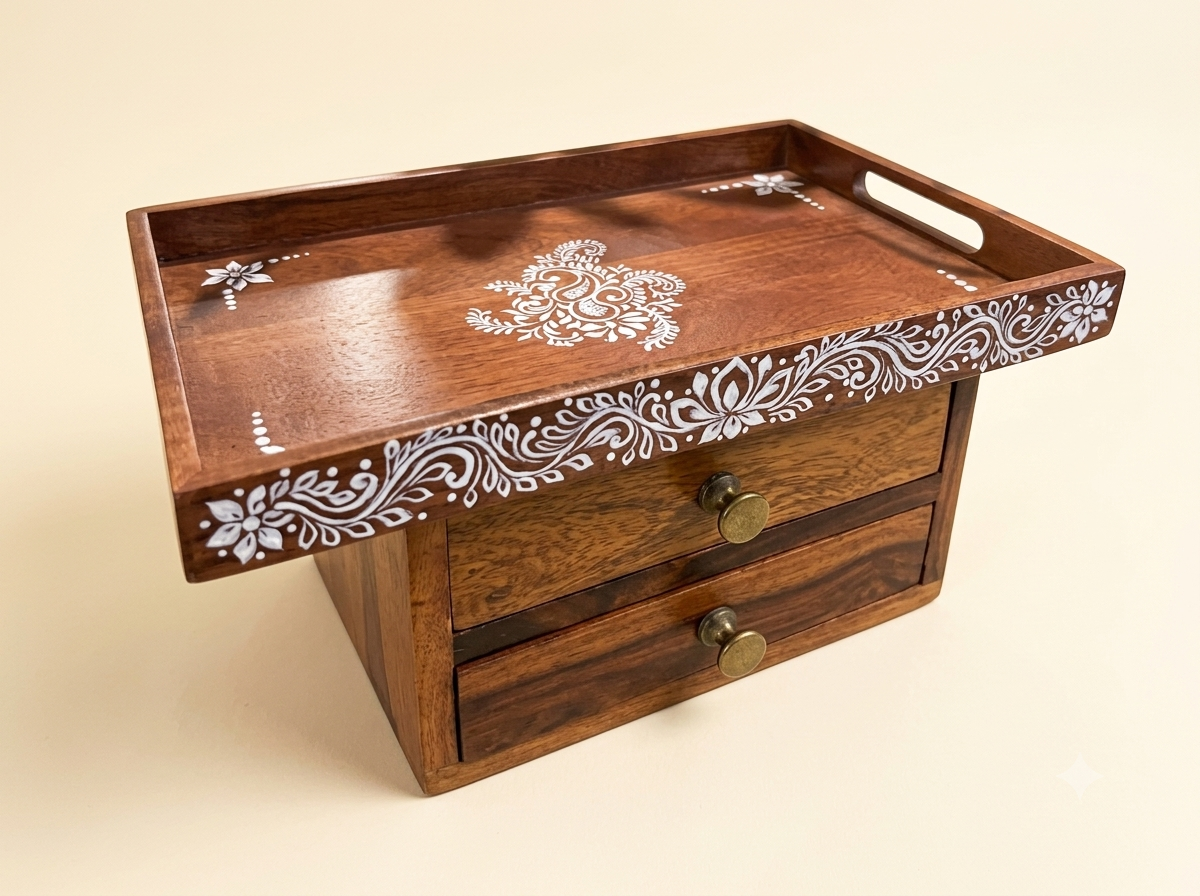
Wooden Handicraft · Bengal Woodcraft
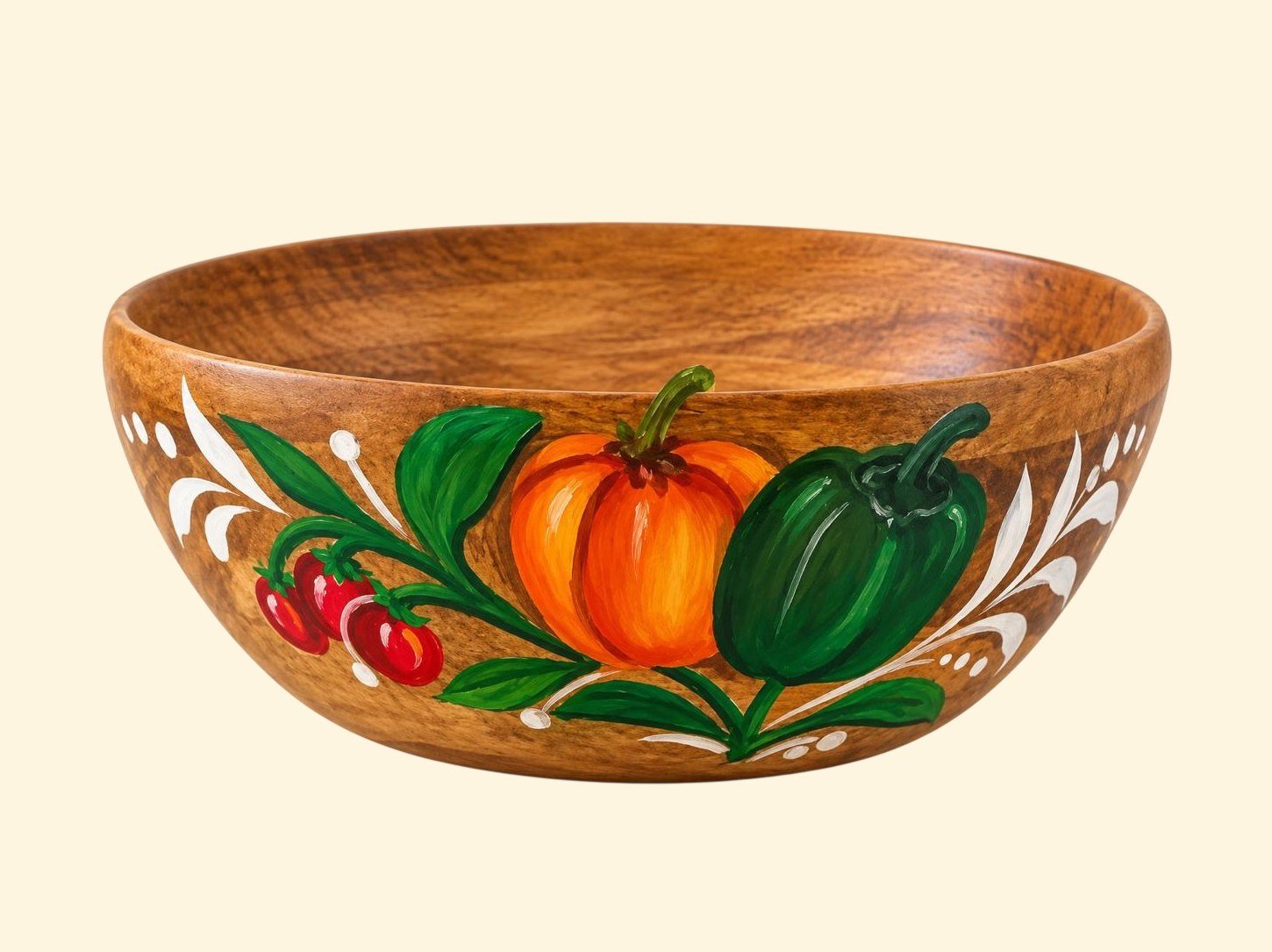
Wooden Handicraft · Hand-painted
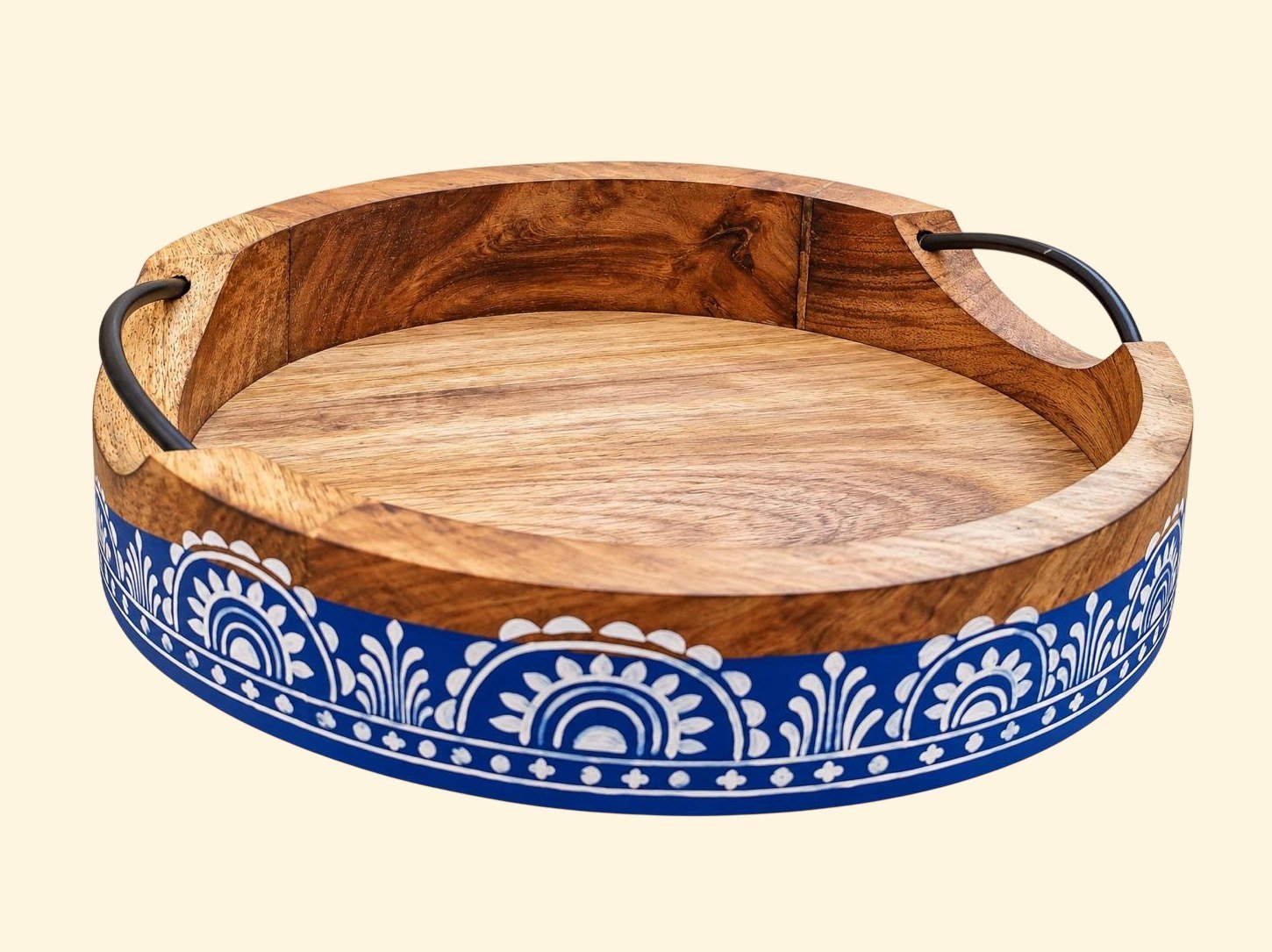
Wooden Handicraft · Hand-painted
Wooden Handicraft · Hand-painted

Wooden Handicraft · Hand-painted
Wood carving has run alongside Bengal’s better-known clay and metal crafts for as long as anyone can trace — temple doors, ritual masks, toys for children and figures for the household shrine, all shaped from timber close at hand. Mango, gamhar and neem are common choices: soft enough to carve, hard enough to last.
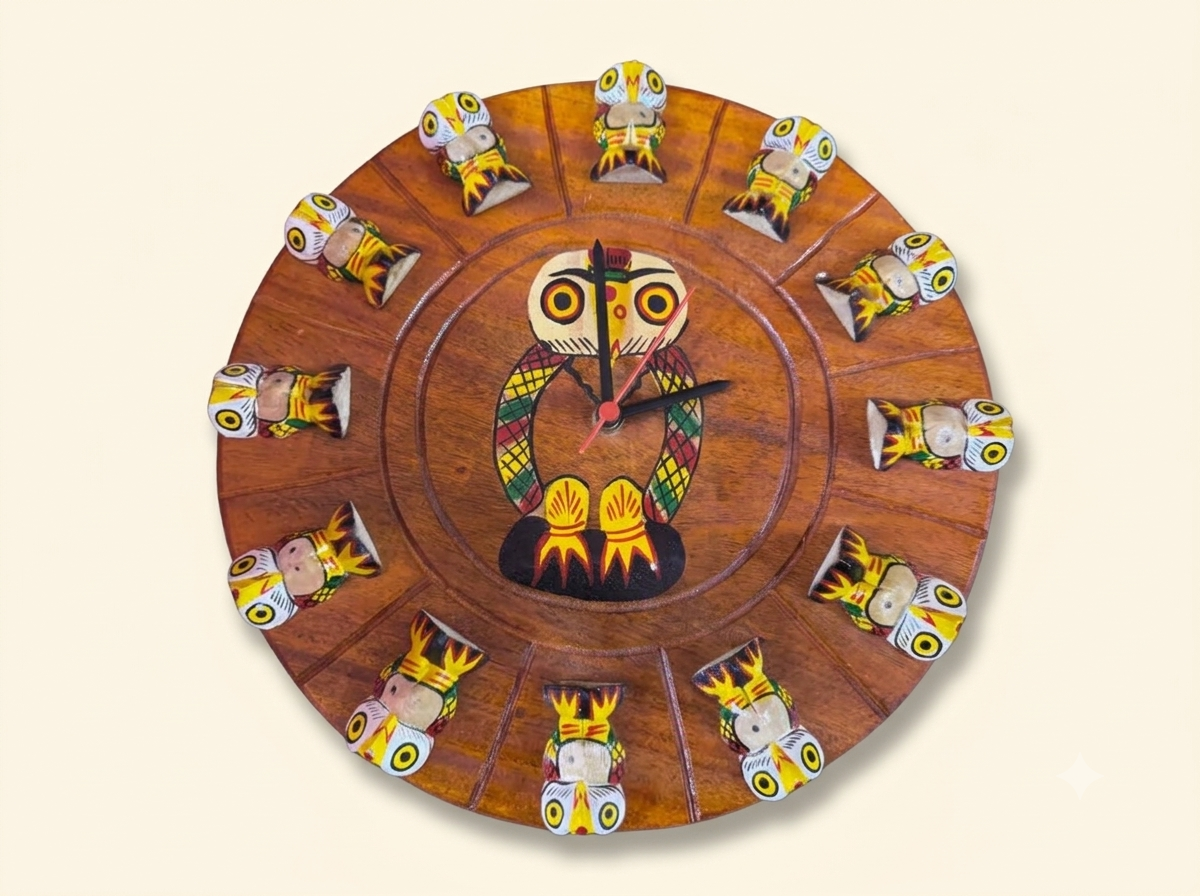
The best-known is the painted owl of Natungram in Bardhaman. The owl is the mount of Lakshmi, goddess of prosperity, and a pair on the shelf is thought to bring luck to a home. Natungram’s Sutradhar families once carved stone for the Bardhaman rajas; when that patronage ended they turned to wood, and their bold, round-eyed owls became a symbol of Bengal.
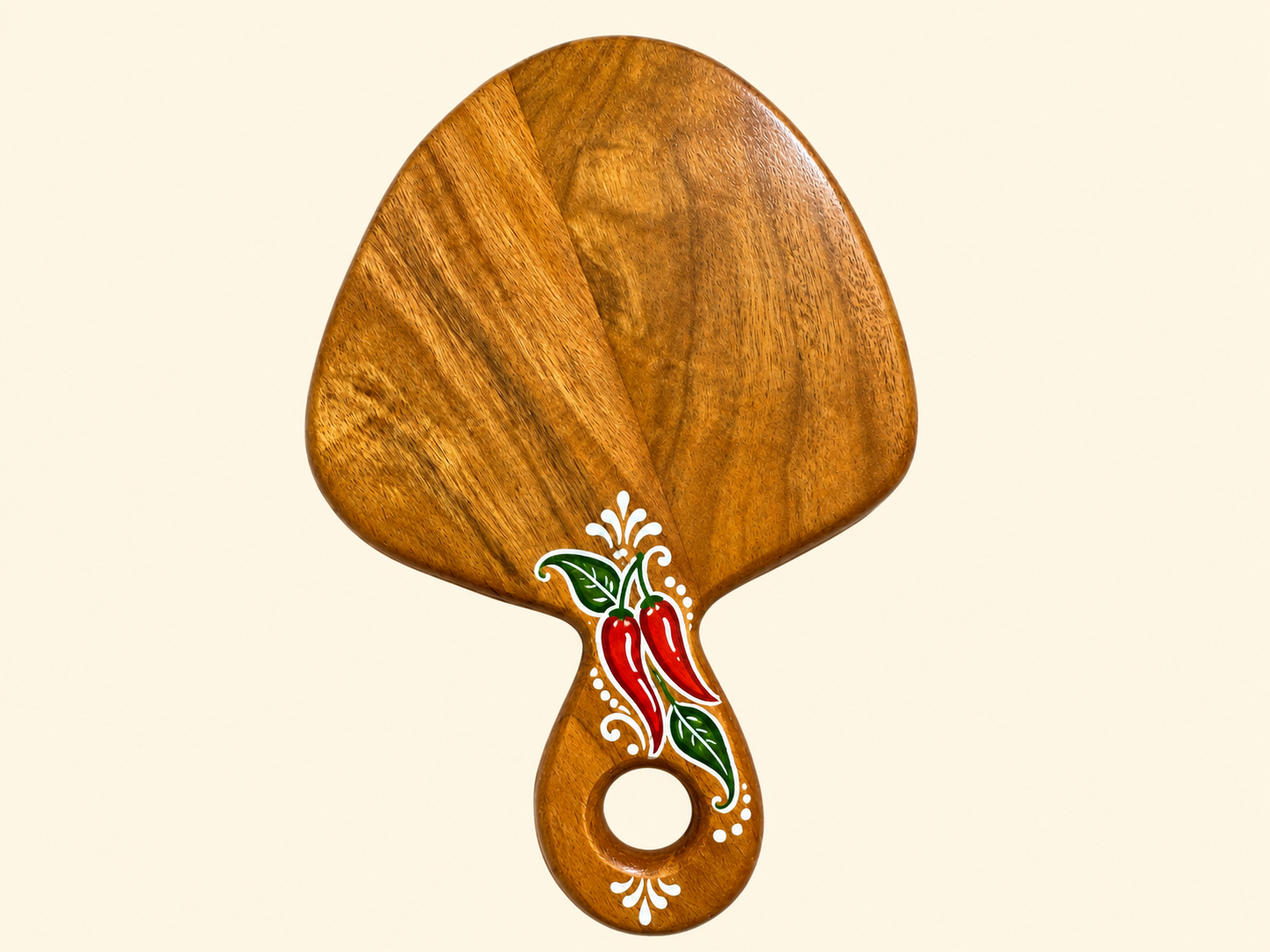
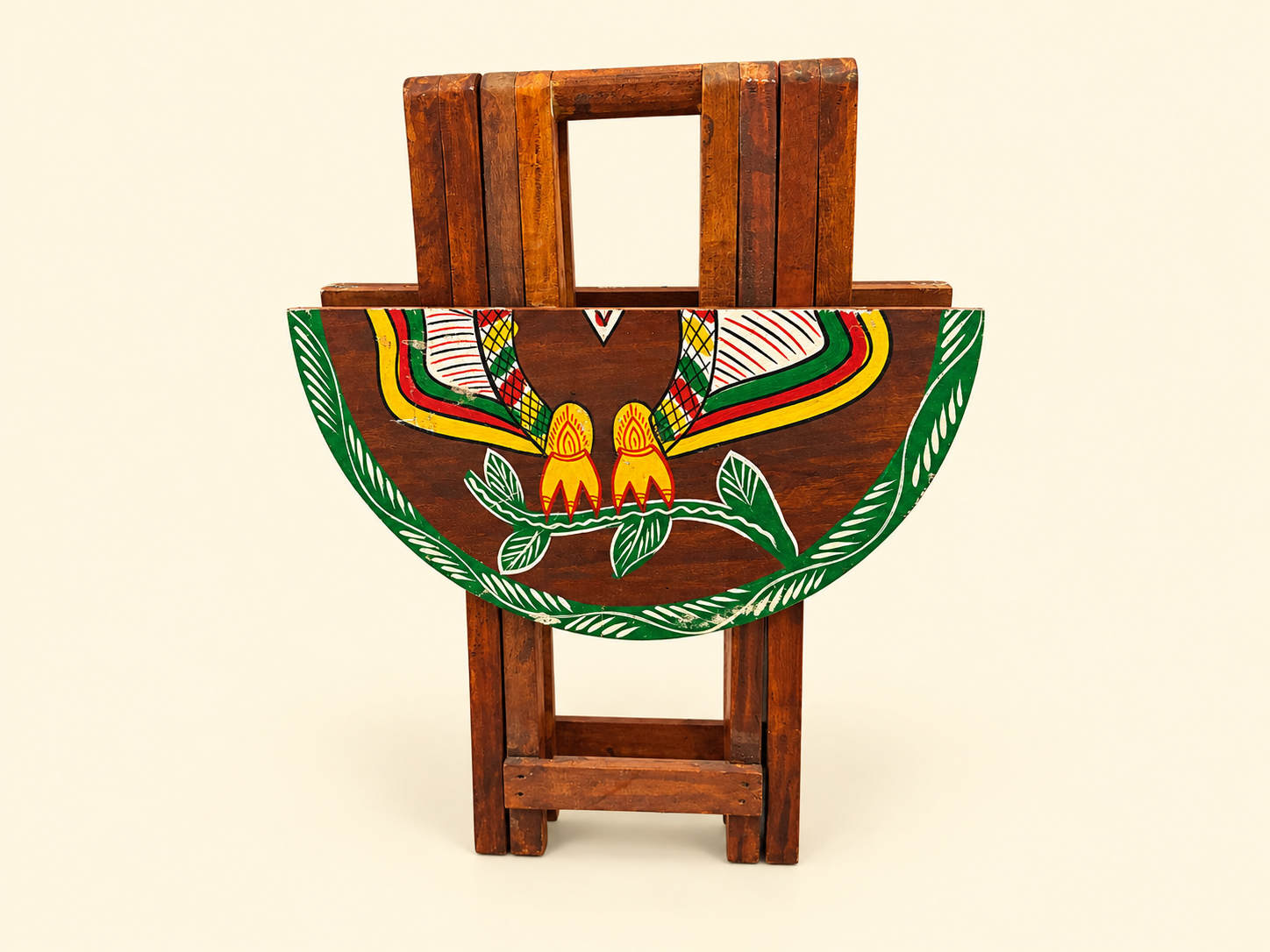
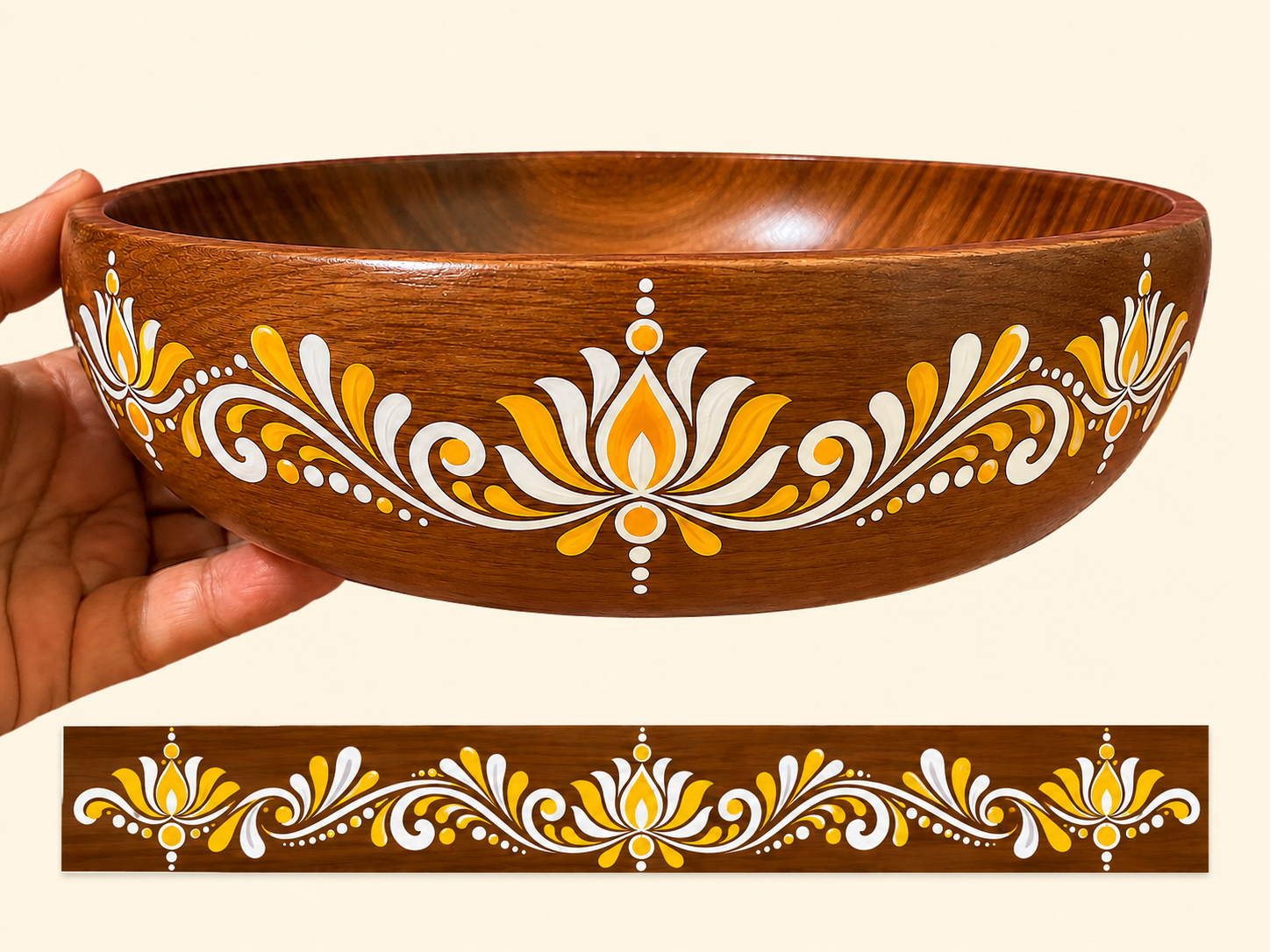
Our range carries that painting tradition onto everyday things: turned bowls and serving dishes in alpana motifs, chopping boards, roti boxes, stools and clocks — wood you use as well as look at.
In most wood-working families the work is shared. The men season the wood, rough out the form and carve or turn it; the women prime and paint it, laying down the alpana, the lotus and the owl’s wide eyes freehand. No two pieces come out quite alike — that is the mark of the hand, not a flaw.
Woodcraft is spread across several small clusters in West Bengal, each known for its own form: Natungram in Purba Bardhaman for its painted owls and dolls, Kushmandi in Dakshin Dinajpur for its wooden masks (GI-tagged in 2018), and Bishnupur in Bankura for carved panels. Our pieces are made by woodturners and folk painters of Bengal, largely family workshops passing the trade down through generations.
Mango, gamhar or neem logs are cut to size and dried slowly so the wood won’t crack later.
Bowls and boxes are turned on a lathe; owls and figures are roughed out with an axe and carved with chisels.
The piece is sanded smooth and given a base coat so the colours sit evenly.
Motifs are painted freehand, then sealed with a coat of lacquer or varnish.
Keep wood away from direct sun and damp, which can warp or crack it. Wipe painted bowls and boxes with a soft, barely-damp cloth and dry at once — never soak them or put them in a dishwasher. Use painted serving pieces for dry food, or with a liner. A light coat of wood oil now and then keeps unpainted surfaces from drying out.