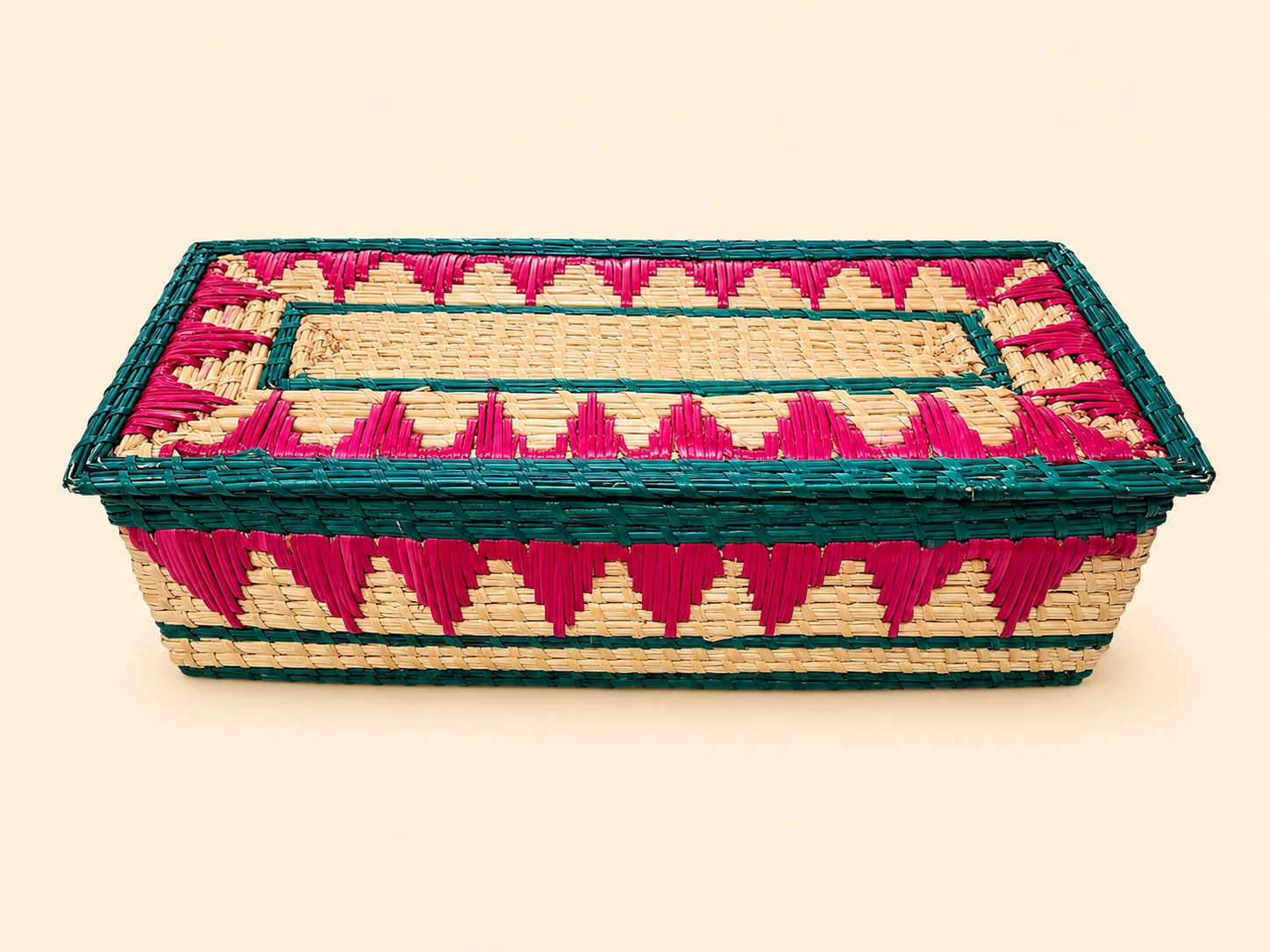
Handwoven Grass Utility Box
₹1,250
Sikki Grass · Bihar
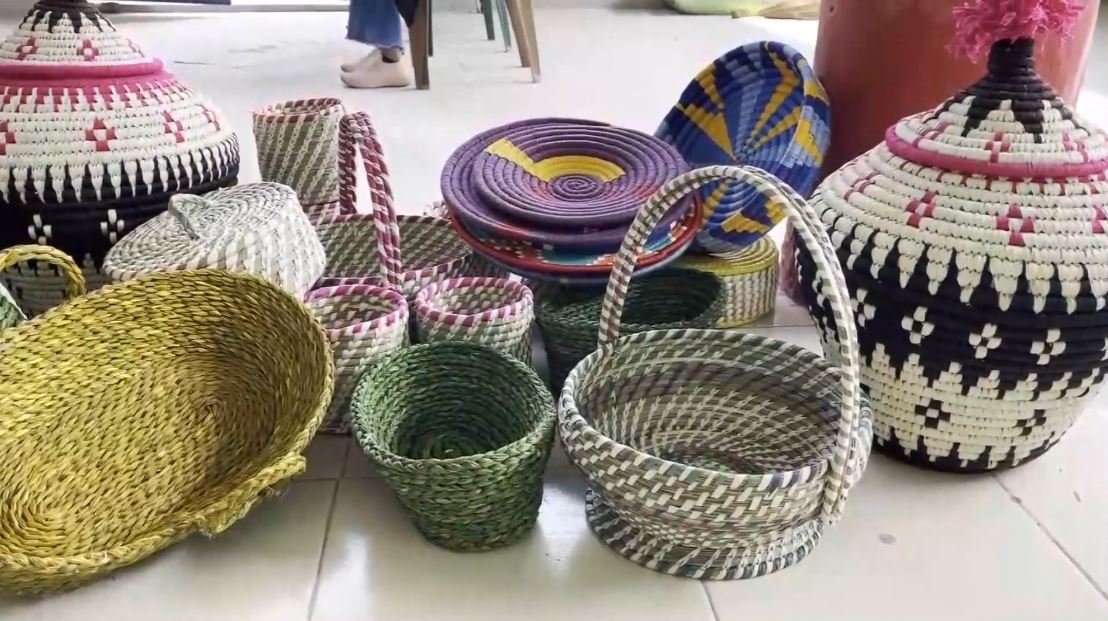
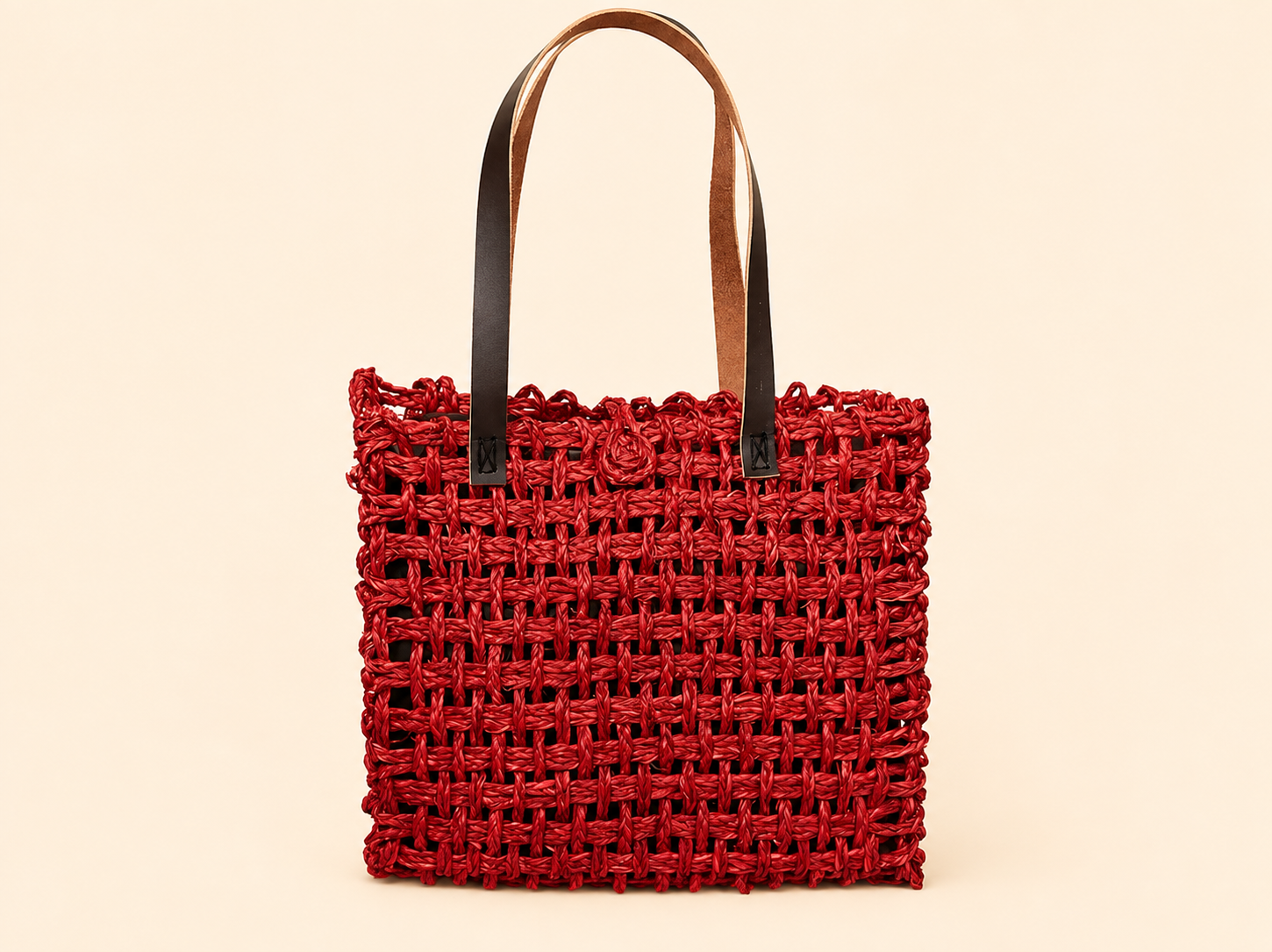
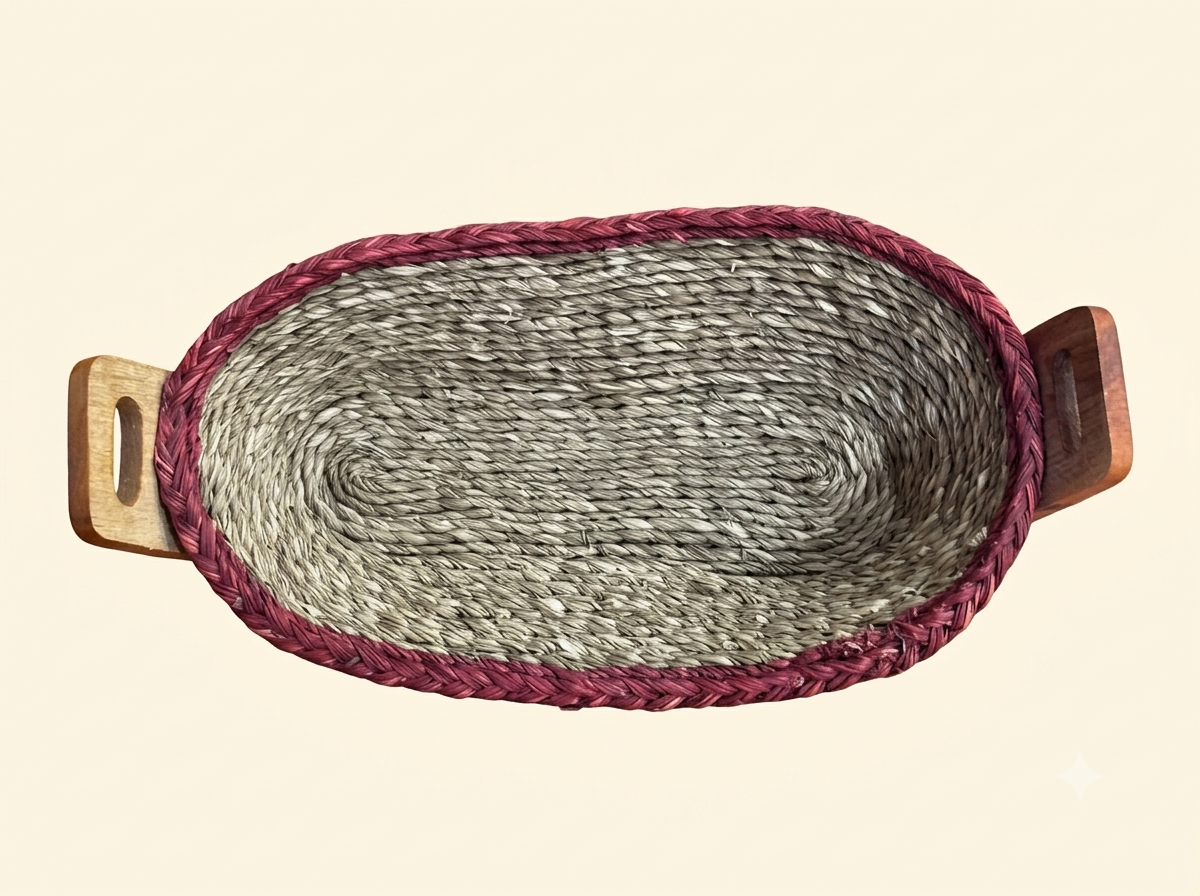
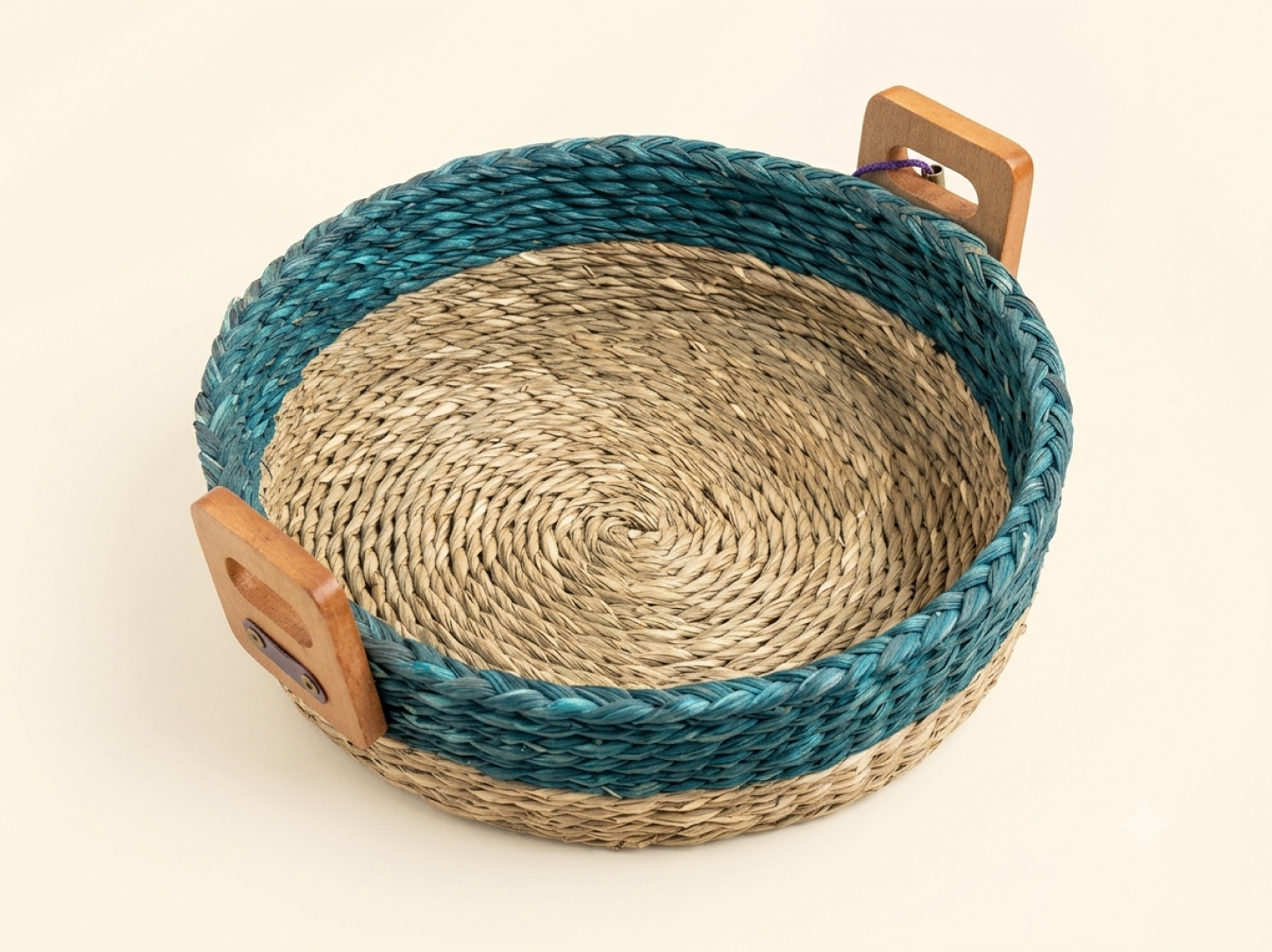
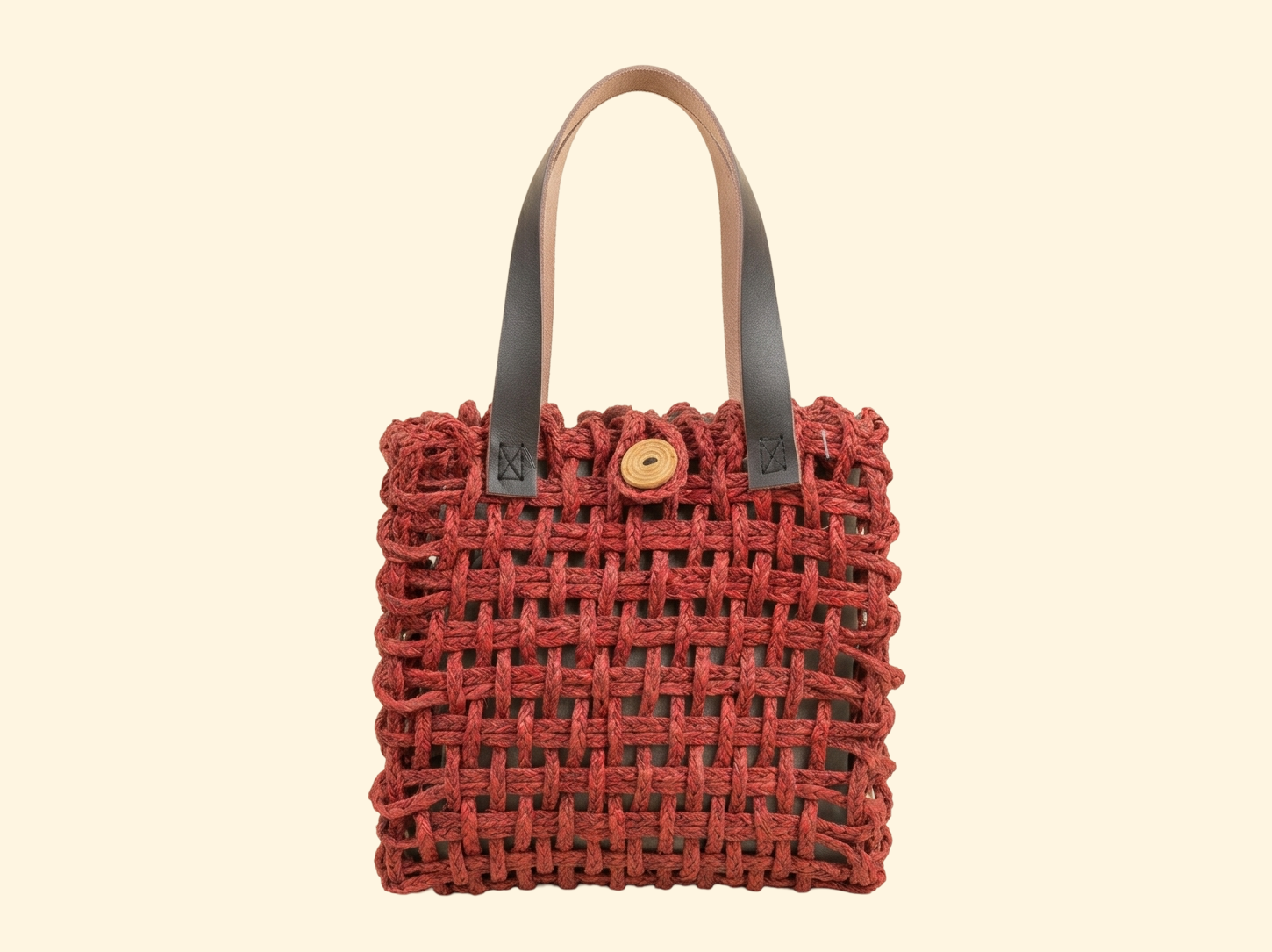
Sabai — babui ghas in Bengali — is a tough, silky hill grass, Eulaliopsis binata, that grows wild on the forest fringes of Jhargram, Bankura and Purulia. For generations it was twisted into rope for string cots. Today the women of Jhargram braid and coil it into baskets, trays, lunch bags and boxes, one stitch at a time, in their own homes and villages.
₹1,250
Sikki Grass · Bihar
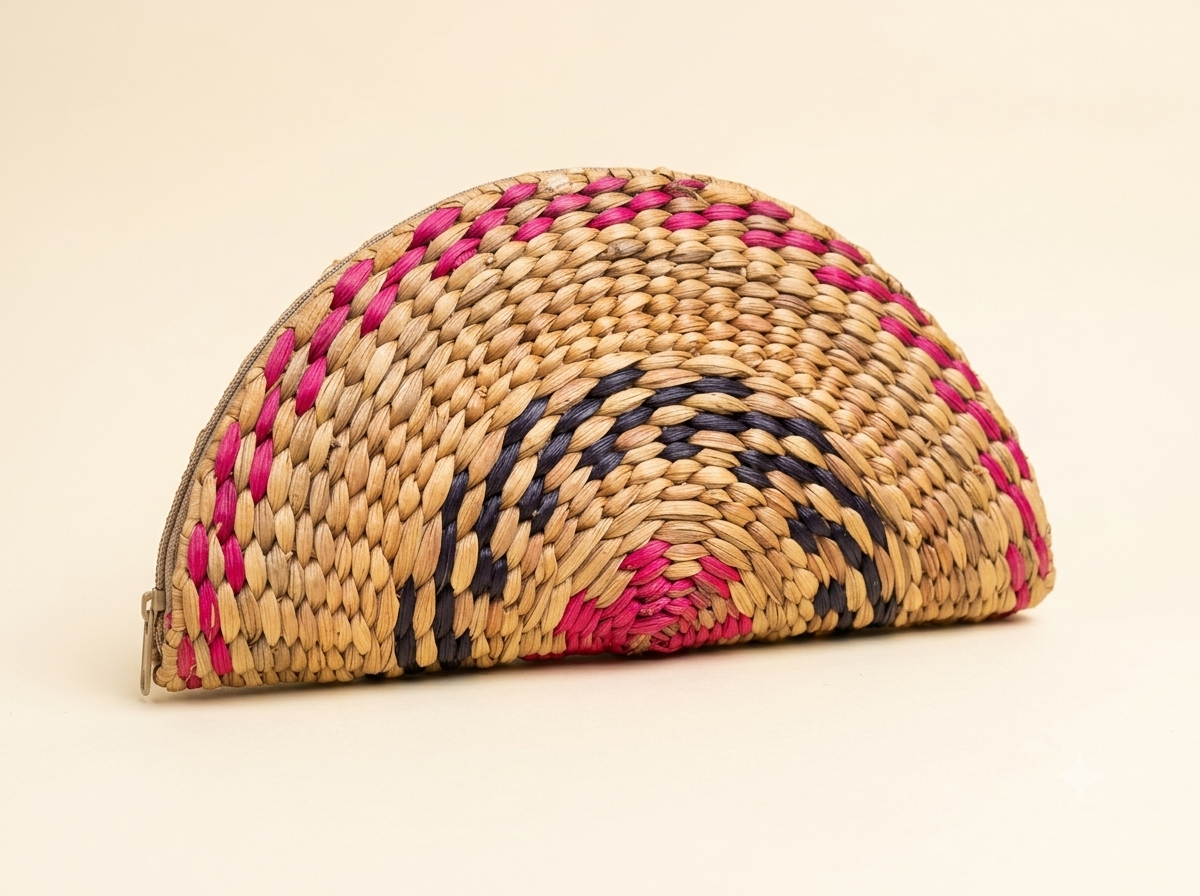
Water hyacinth - Assam
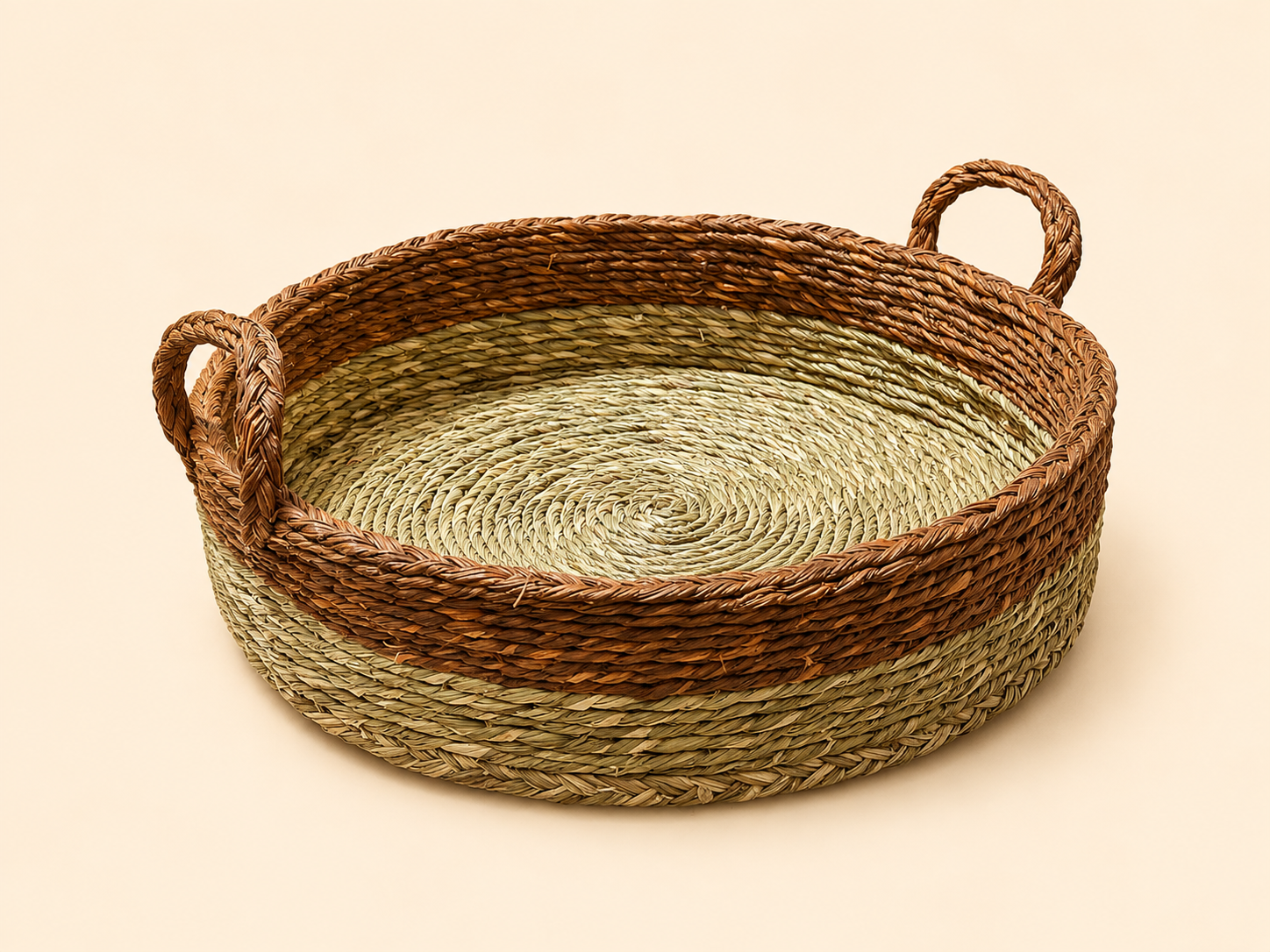
Sabai Grass · Jhargram
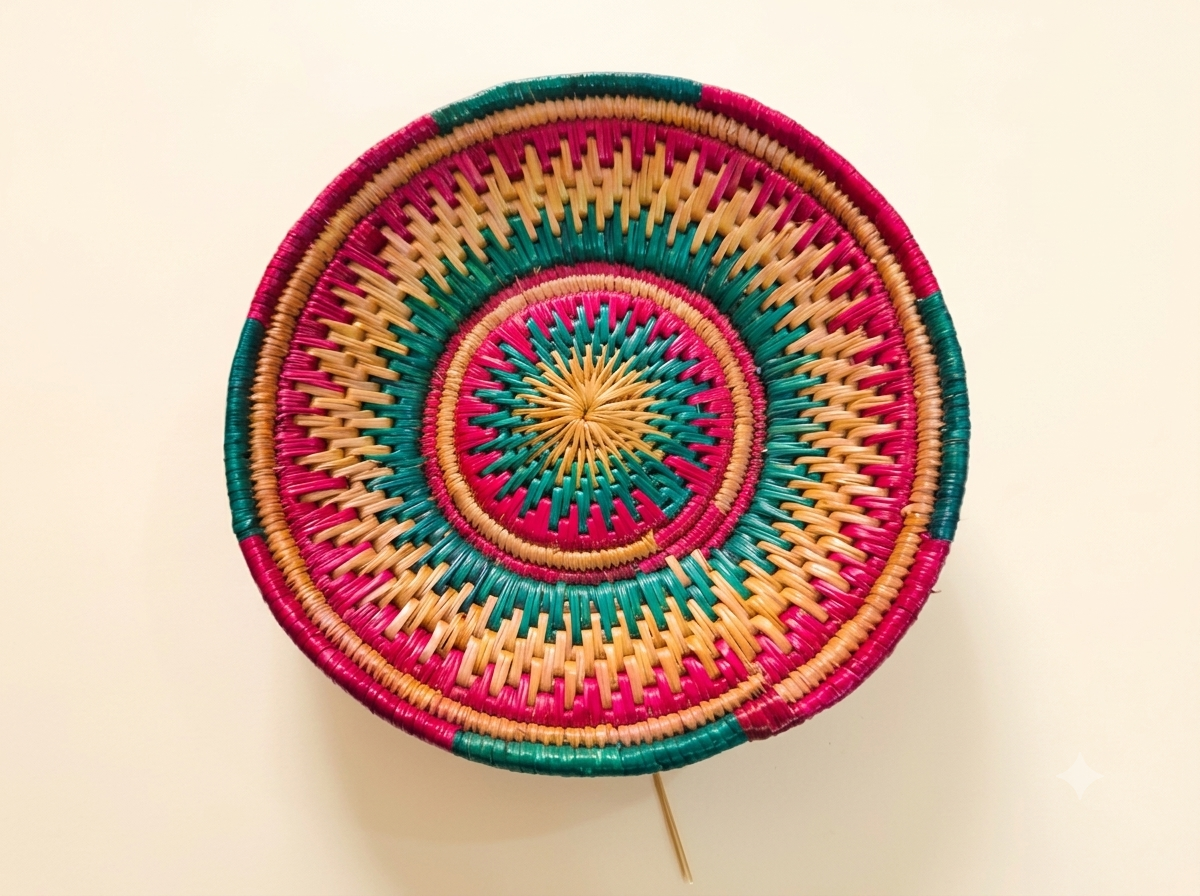

Sabai Grass · Jhargram
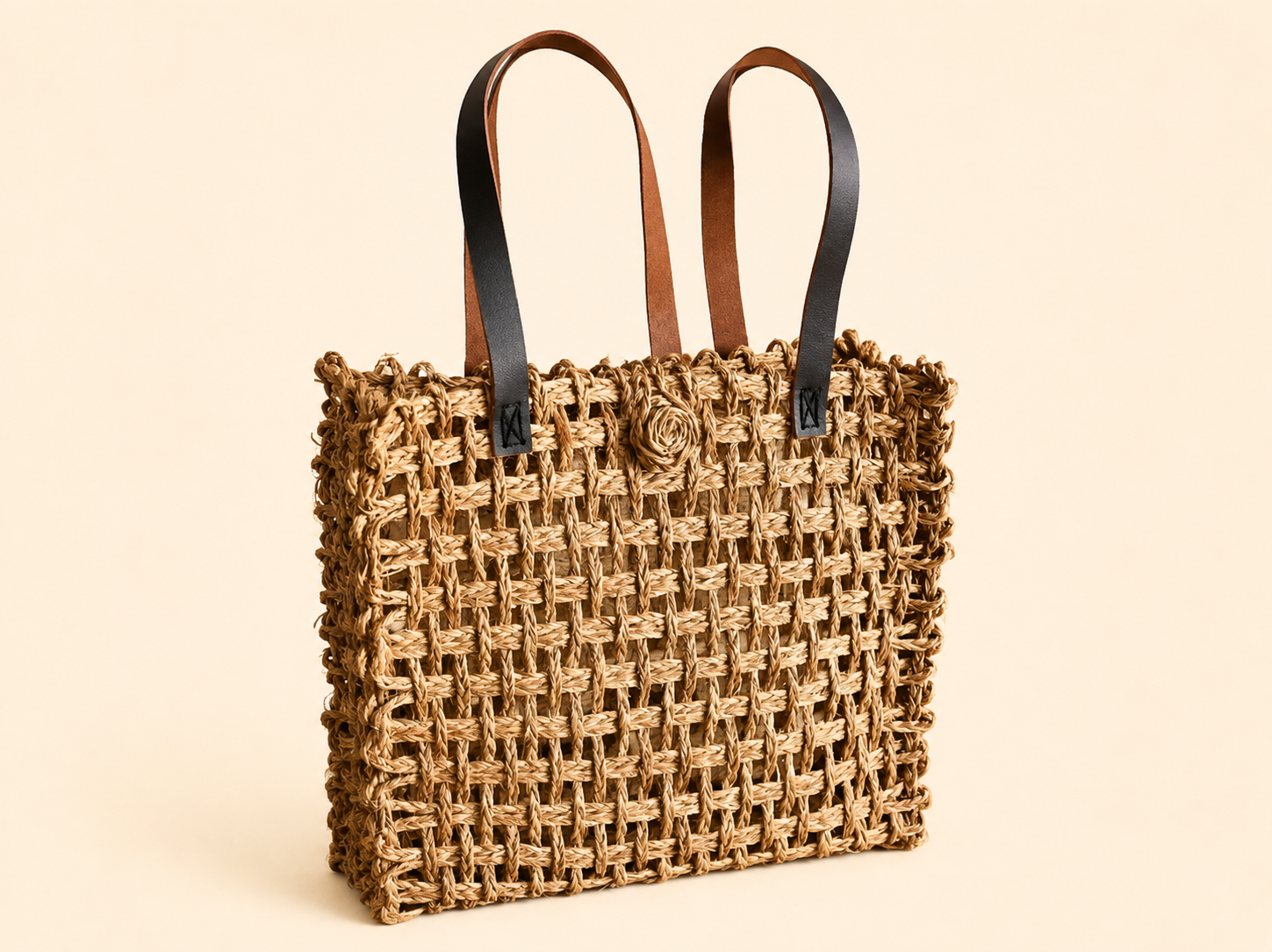
Sabai Grass · Jhargram
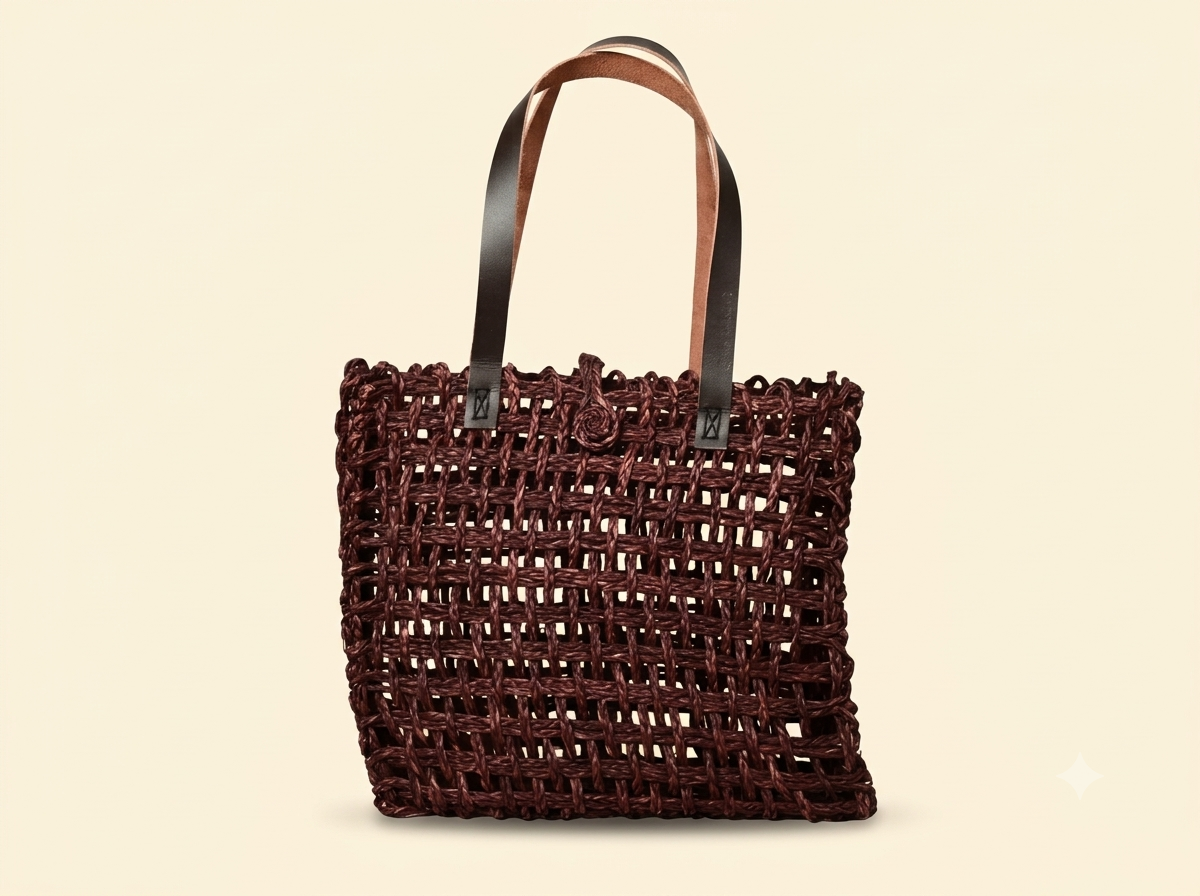
Sabai Grass · Jhargram
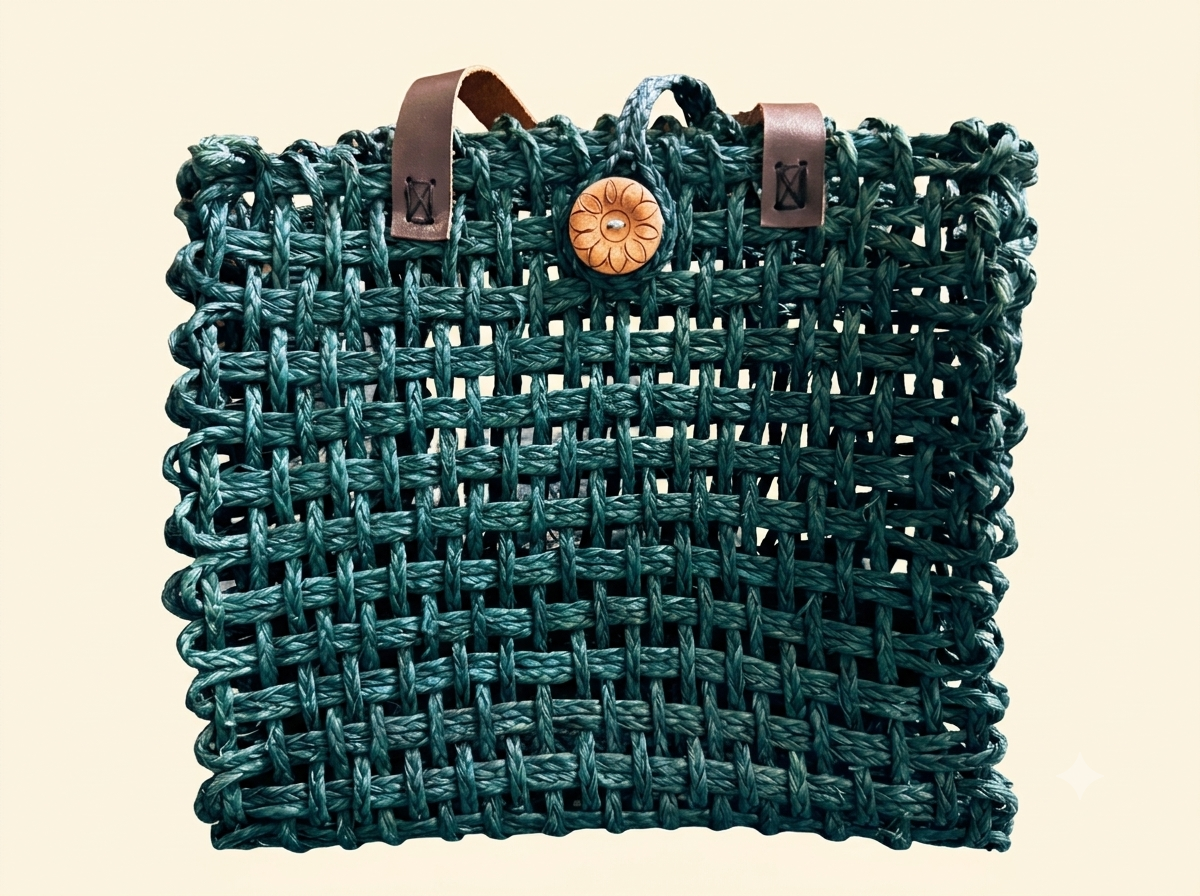
Sabai Grass · Jhargram
₹1,450
Sabai Grass · Jhargram

Sabai Grass · Jhargram
Sabai Grass · Jhargram
Sabai Grass · Jhargram
Sabai Grass · Jhargram
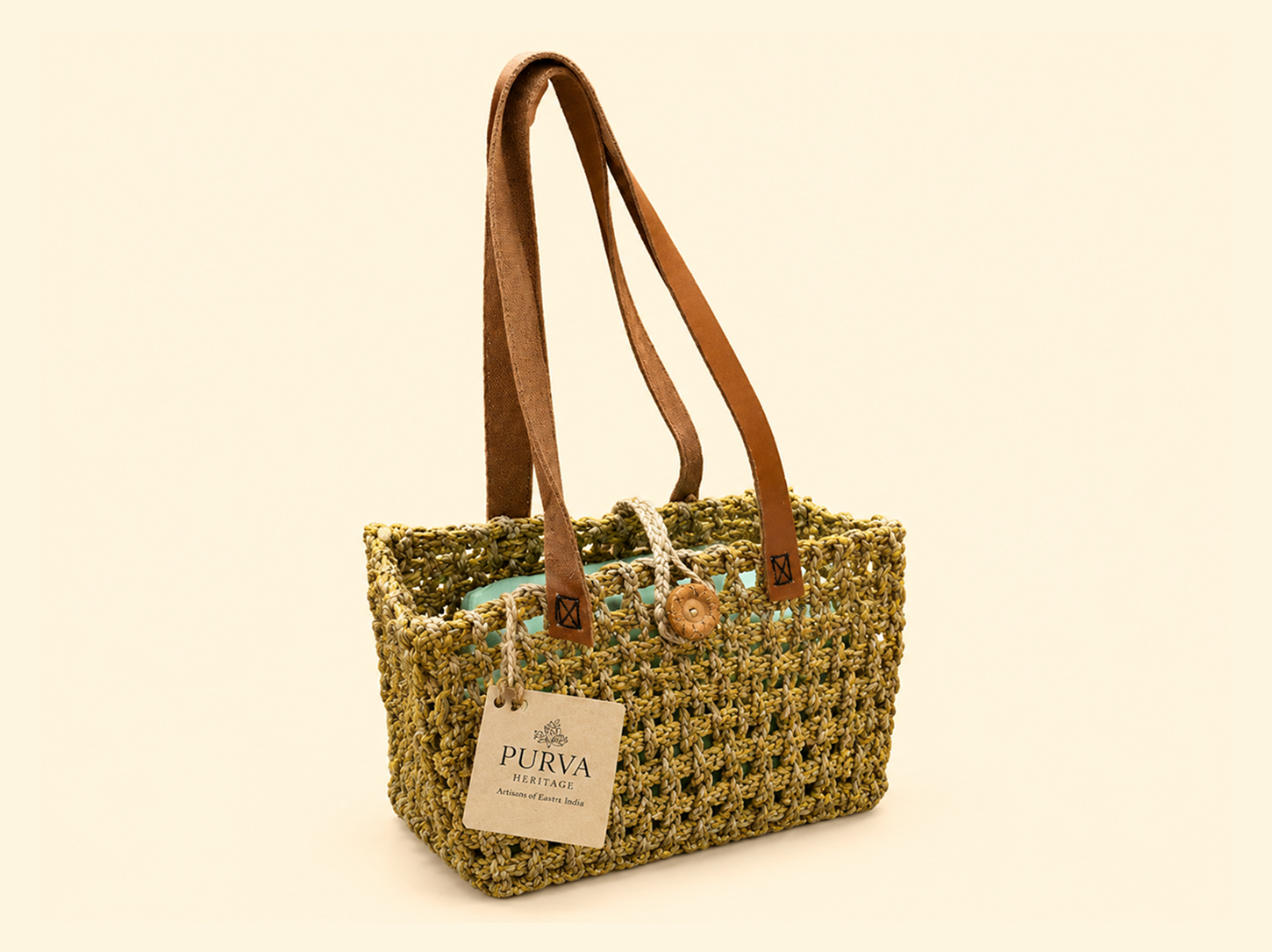
Sabai Grass · Jhargram
Sabai is a hardy grass, Eulaliopsis binata, that thrives on the dry, lateritic slopes of western Bengal where little else will grow. It is prized for its smooth texture and its strength — long, glossy blades that twist into a rope far tougher than it looks.
For most of its history sabai was a cash crop: sold to paper mills, or twisted by hand into dori, the rope strung across wooden cots. The craft that turned that rope into objects came later, as self-help groups and government training centres showed forest-fringe villages how to coil, braid and stitch it into things a city home would want.
Today it is one of the most important livelihoods in the district. Around 1,800 self-help groups in Jhargram work with sabai and sal leaf, and the Sal-Sabai Centre of Excellence in the town trains new makers in fresh designs every year.
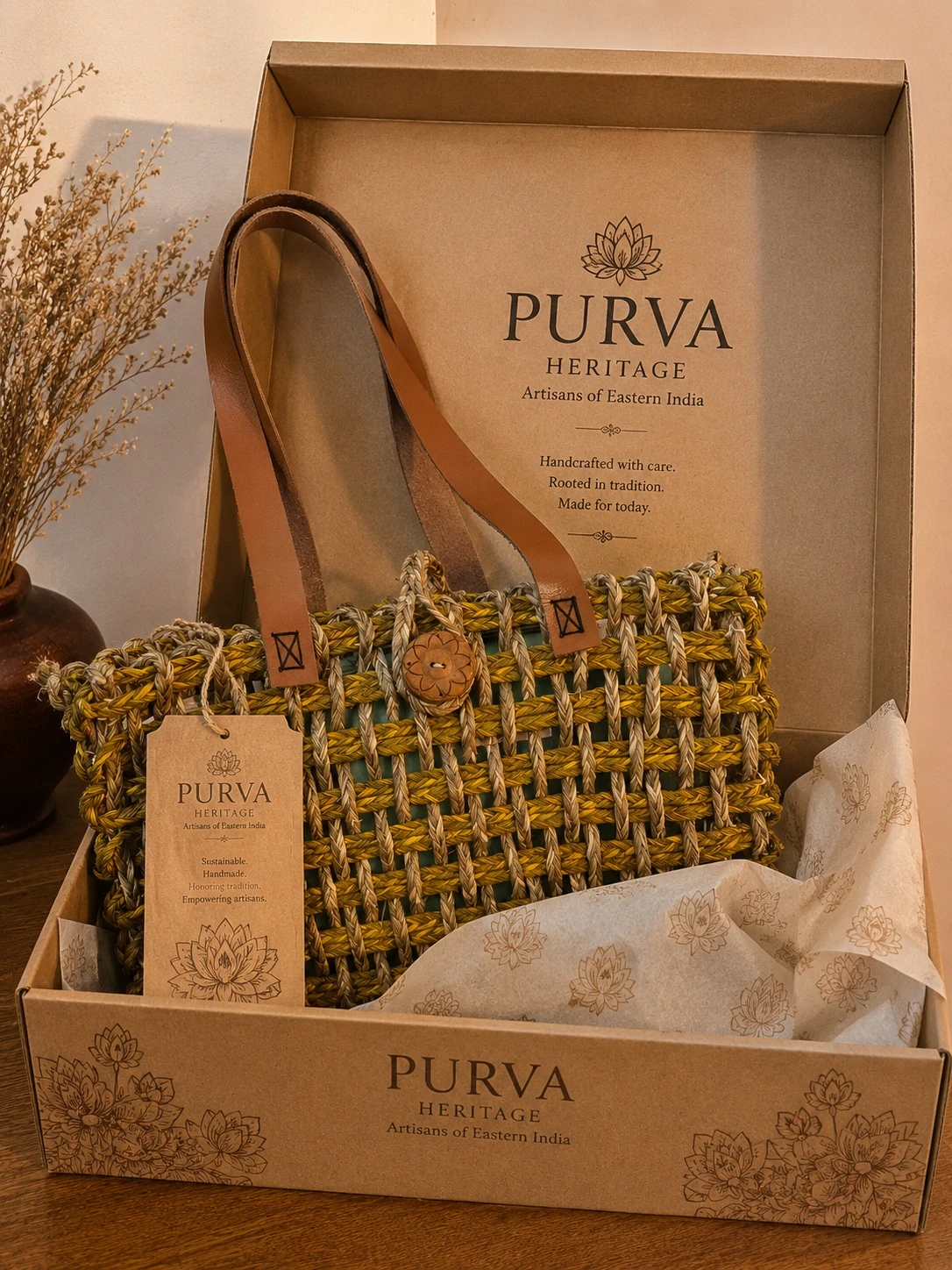
Sabai work is overwhelmingly done by women — many of them Santhal and Sabar — working at home between farm work and household chores. A basket can be picked up and set down a hundred times without losing its shape. For many families that flexible income has meant the difference between staying in the village and migrating to the city for work.
Sabai grows across the forest-fringe districts of western West Bengal — Jhargram, Bankura and Purulia — and over the border in Mayurbhanj, Odisha. Our pieces come from women’s weaving collectives in Jhargram, where the local style is braided sabai, coiled and stitched into bags, bins and trays. Bankura and Purulia makers often combine the grass with palm leaf. Some pieces also use sikki grass or water hyacinth for colour and texture.
Grass is cut after the monsoon, sun-dried and sorted by length and quality.
For coloured pieces, bundles are dipped in heated dye water for 15–20 minutes and dried again.
Blades are twisted into rope by hand or braided into flat strips — the base of every piece.
The rope is coiled into shape and stitched with a needle, round by round, then trimmed and finished.
Sabai is a natural fibre, so keep it dry: damp can bring mould and loosen the stitching. Dust with a soft brush or wipe with a barely-damp cloth and dry in shade. Keep out of long direct sun, which fades dyed grass. Use food-safe liners in baskets holding moist food.