Sikki Grass · Roti Box
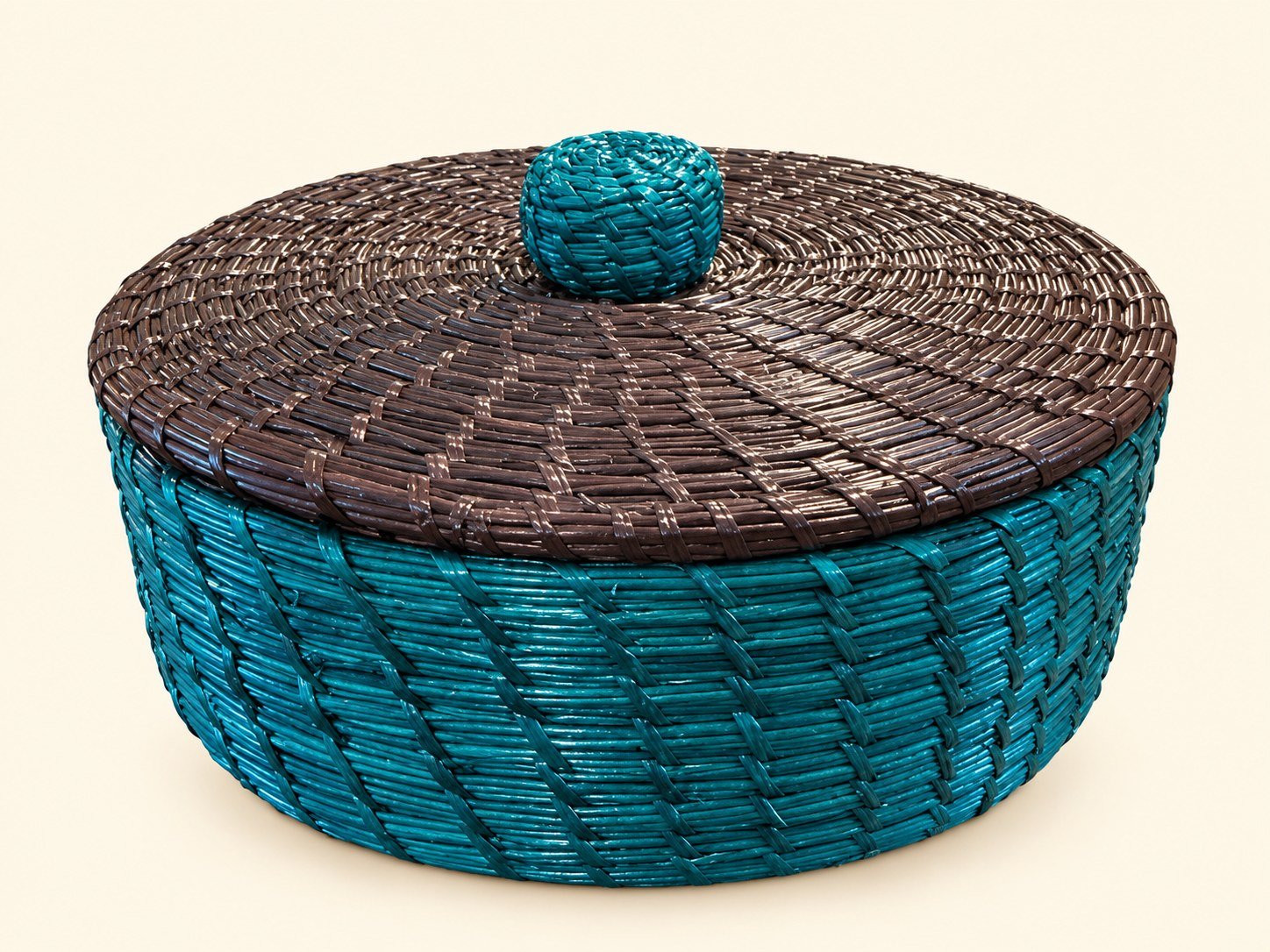
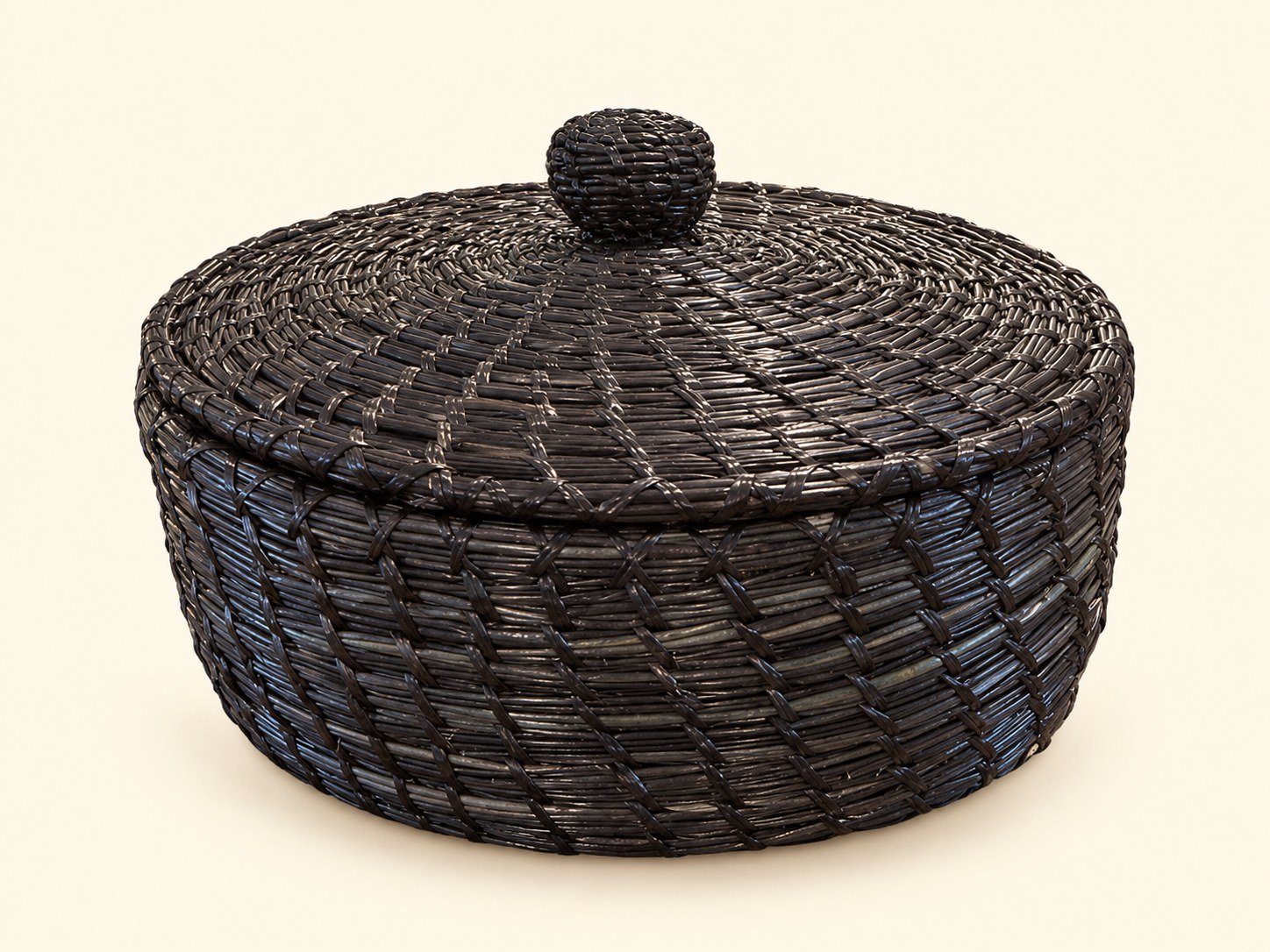
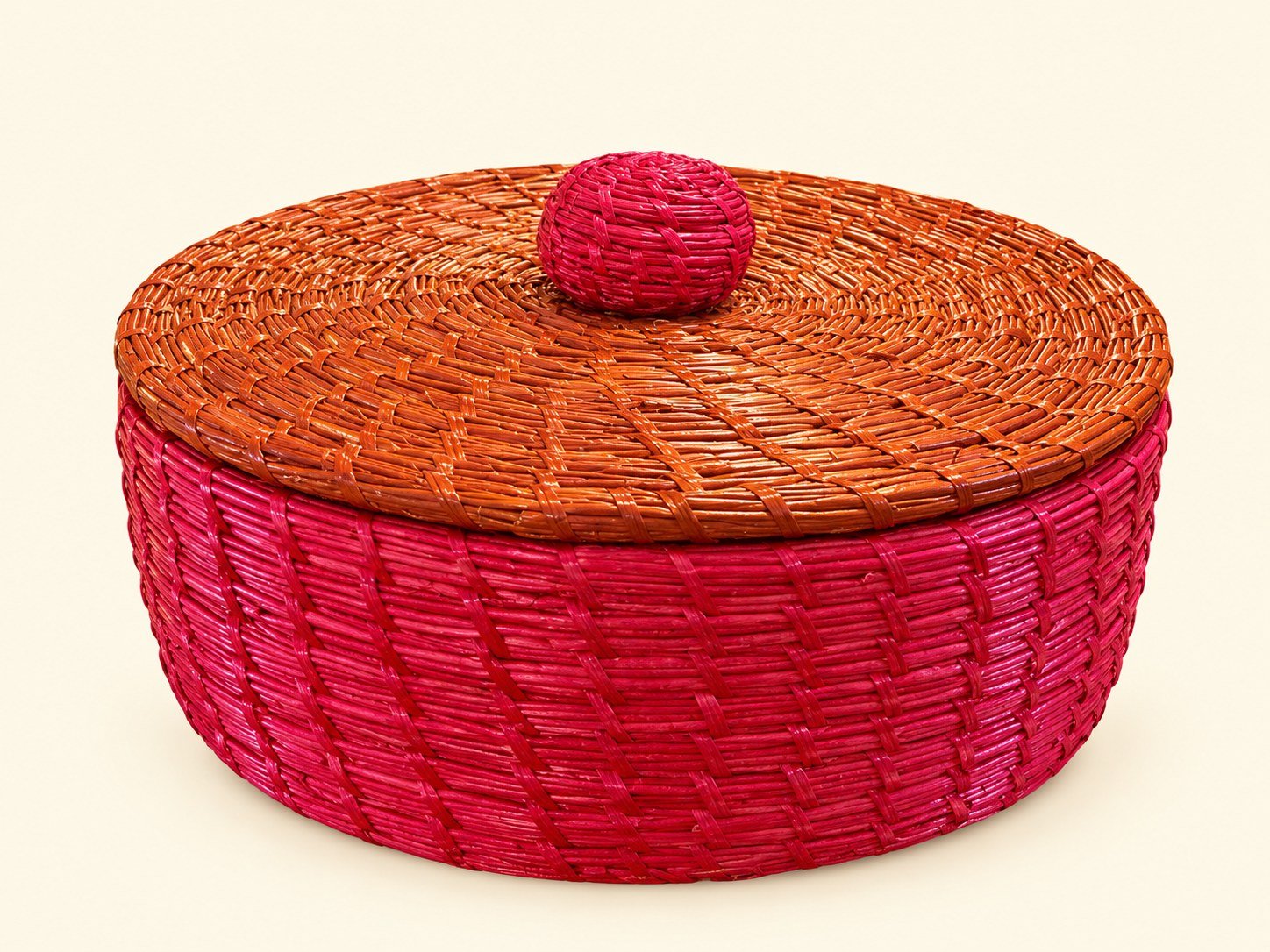
Round lidded boxes coiled from golden Sikki grass by women artisans of Mithila, Bihar — to keep rotis warm at the table, and sweets, puja things or keepsakes safe on the shelf.
Sikki Grass · Roti Box
Sikki Grass · Roti Box
Sikki Grass · Roti Box
Sikki Grass · Roti Box
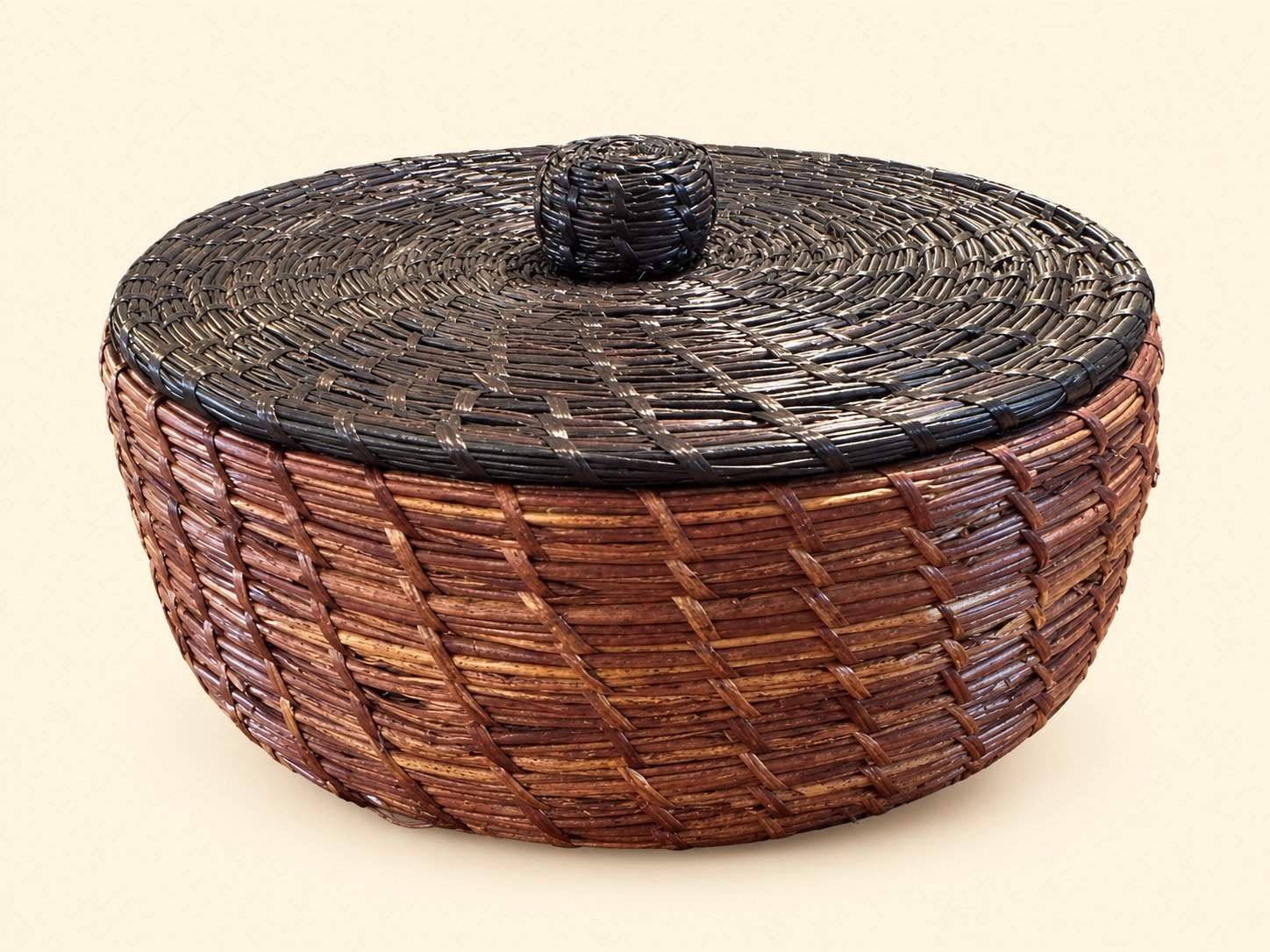
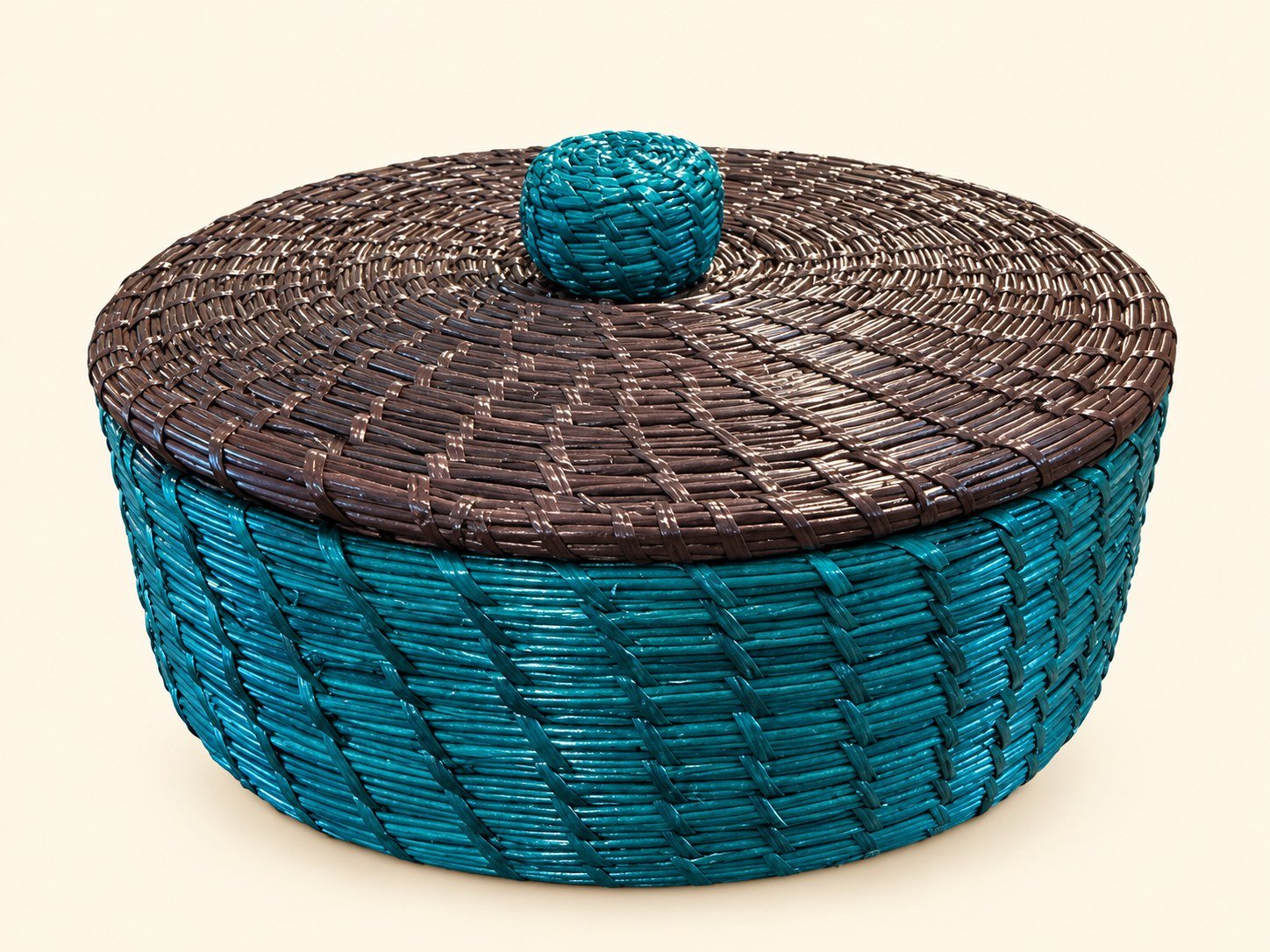
In Mithila, a lidded box of Sikki grass has long been part of a home — parents send their daughters to their new homes with a set of them, the pauti, to keep sindoor and jewellery. Our roti boxes come from the same hands: a deep round base and a domed lid, each coiled separately so the lid sits snugly, crowned with a coiled knob.
The grass lets steam escape, so rotis and parathas stay soft without going soggy, and the box goes straight from the kitchen to the table. Off the table it is just as useful for dry snacks, sweets, puja items, sewing things or jewellery.
Each box is made to order, so base and lid colours can be combined to your liking, and sizes vary slightly from one piece to the next.

For orders of 10 boxes or more we can combine base and lid colours to a theme, and pack roti boxes as wedding tattva, Diwali hampers or corporate gifts. Tell us the quantity, colours and the date you need them, and we will send a quote.
Sikki work belongs to Mithila in north Bihar — chiefly the districts of Madhubani, Sitamarhi and Darbhanga, where the grass grows wild in ponds, river banks and marshy fields. For generations women here have coiled Sikki into boxes, baskets, toys and the pauti boxes that parents give their daughters at marriage. The craft is registered as a Geographical Indication, Sikki Grass Products of Bihar, and today it is a steady source of income for women’s self-help groups across the region.
Sikki stalks are cut from marshy fields, the flowering tips removed, and dried in the sun until golden.
The stalks are split into fine strands; some are boiled in colour and dried again.
Base and lid are coiled as two pieces over a moonj core and stitched with Sikki using a takua needle.
A knob is wound and stitched to the centre of the lid, and the fit of lid on base is checked.
Dust with a soft brush or wipe with a dry cloth. Line with a napkin before putting rotis or loose food inside, and do not wash in water; if the grass gets damp, dry it in the shade, not in direct sun. Keep away from the stove flame.