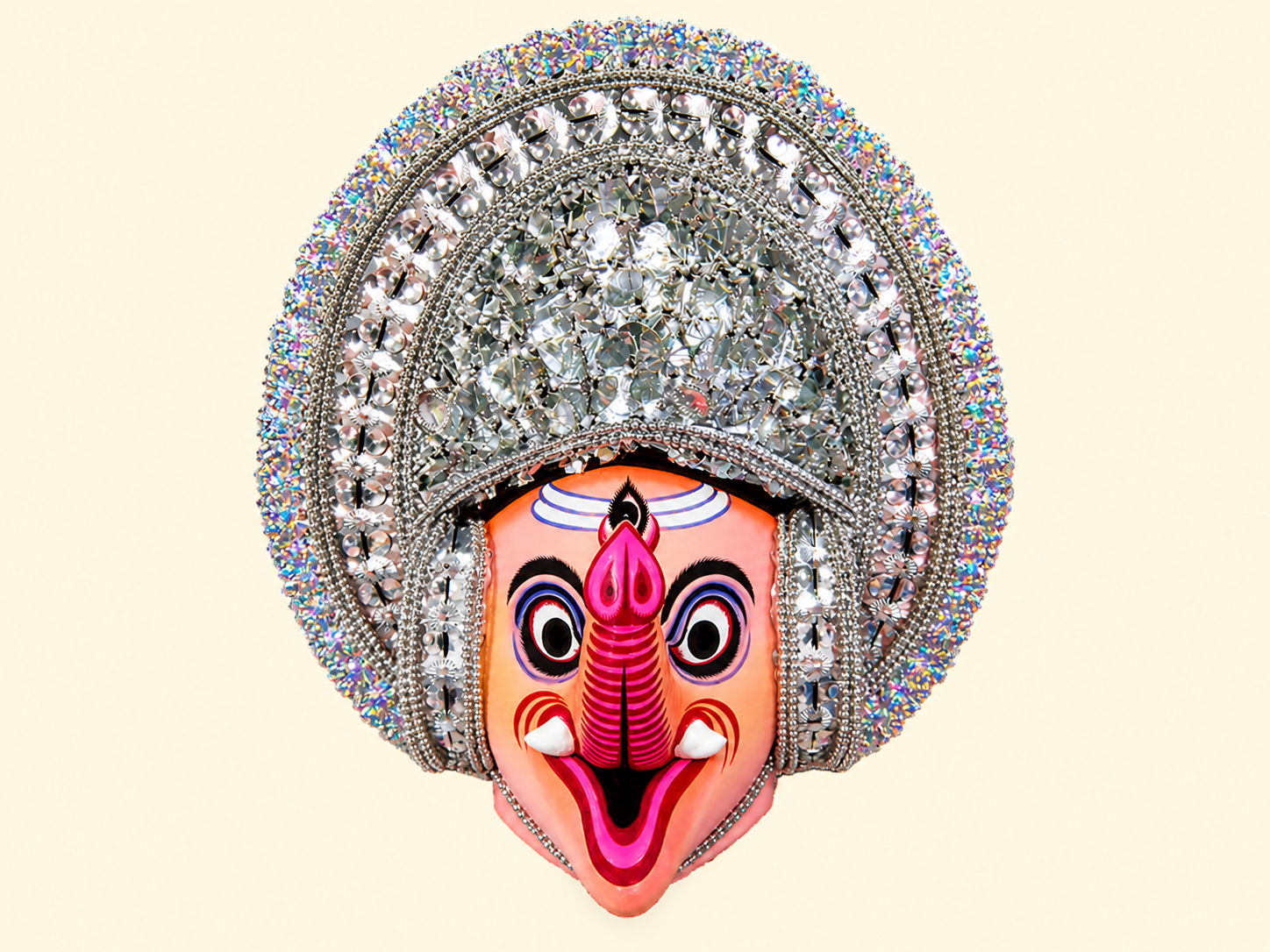
Chhau Mask · Charida
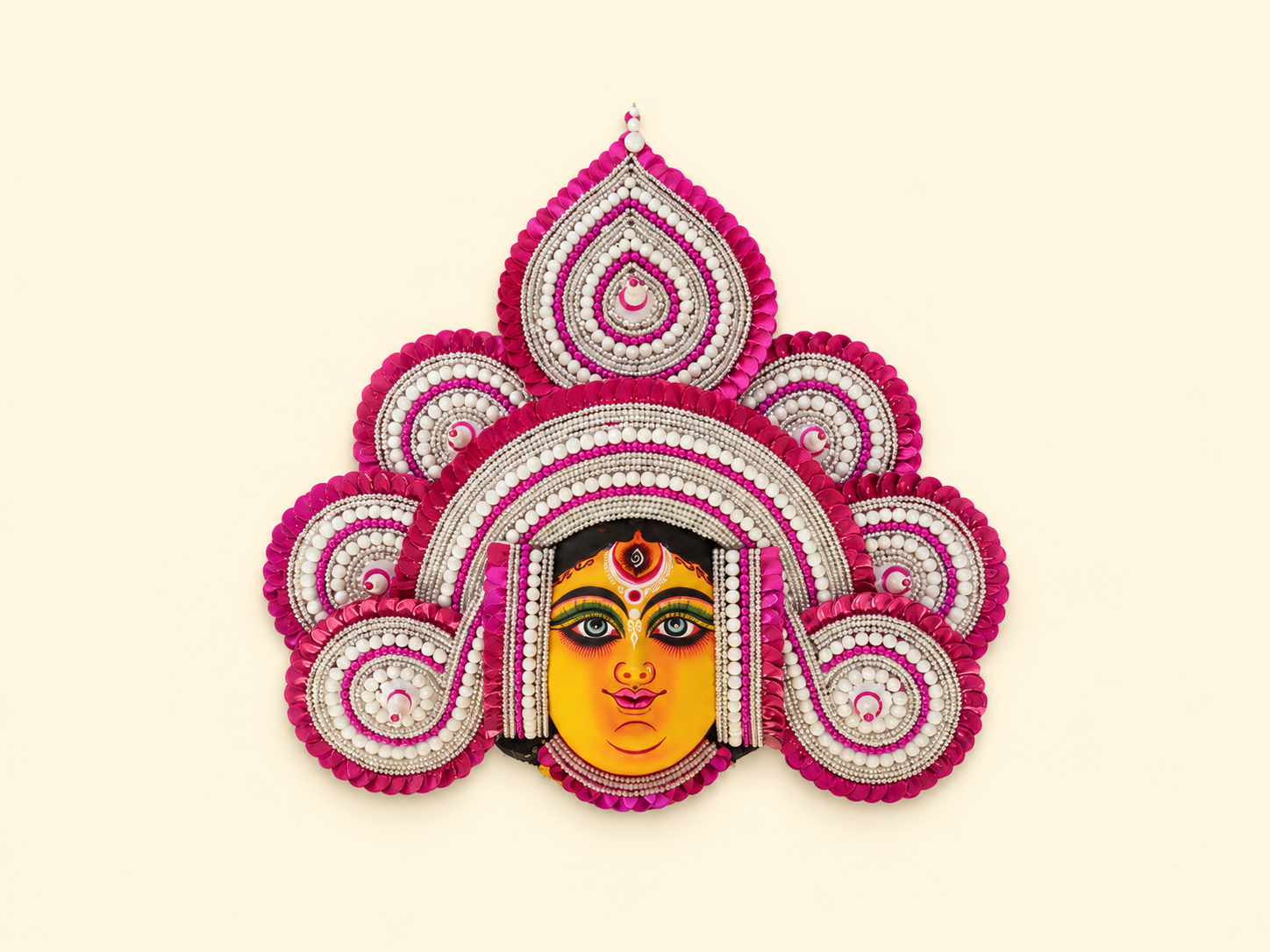
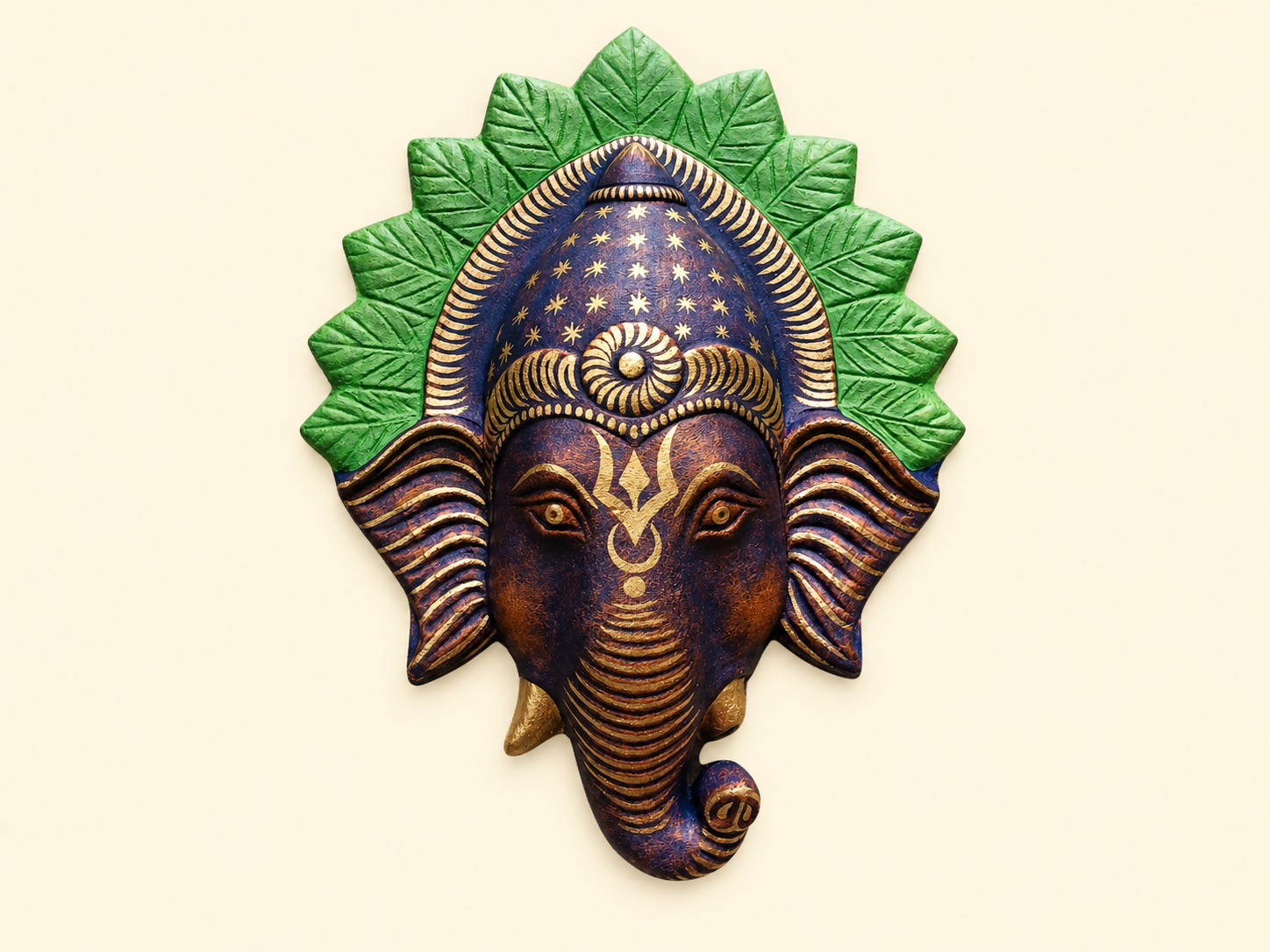
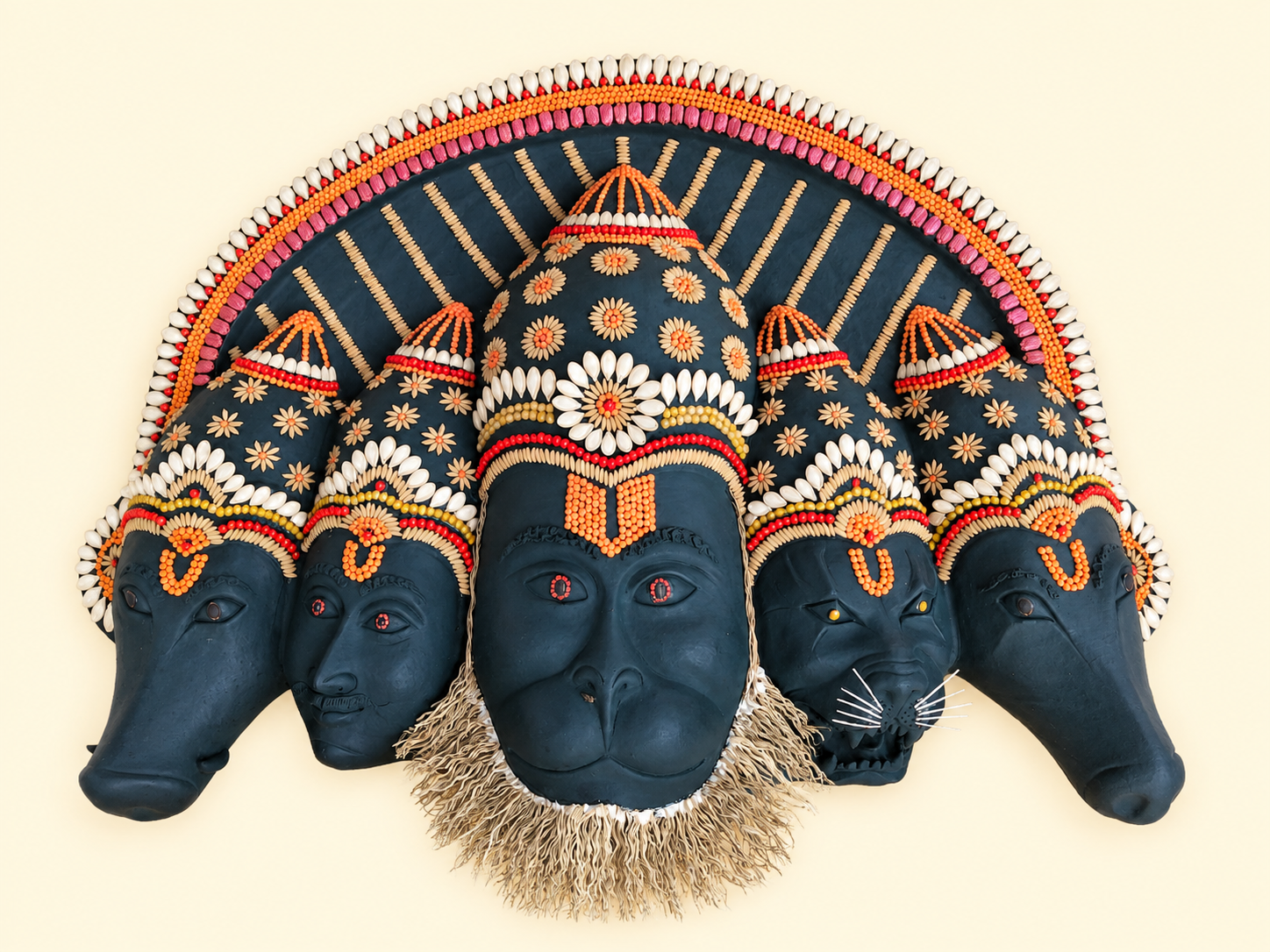
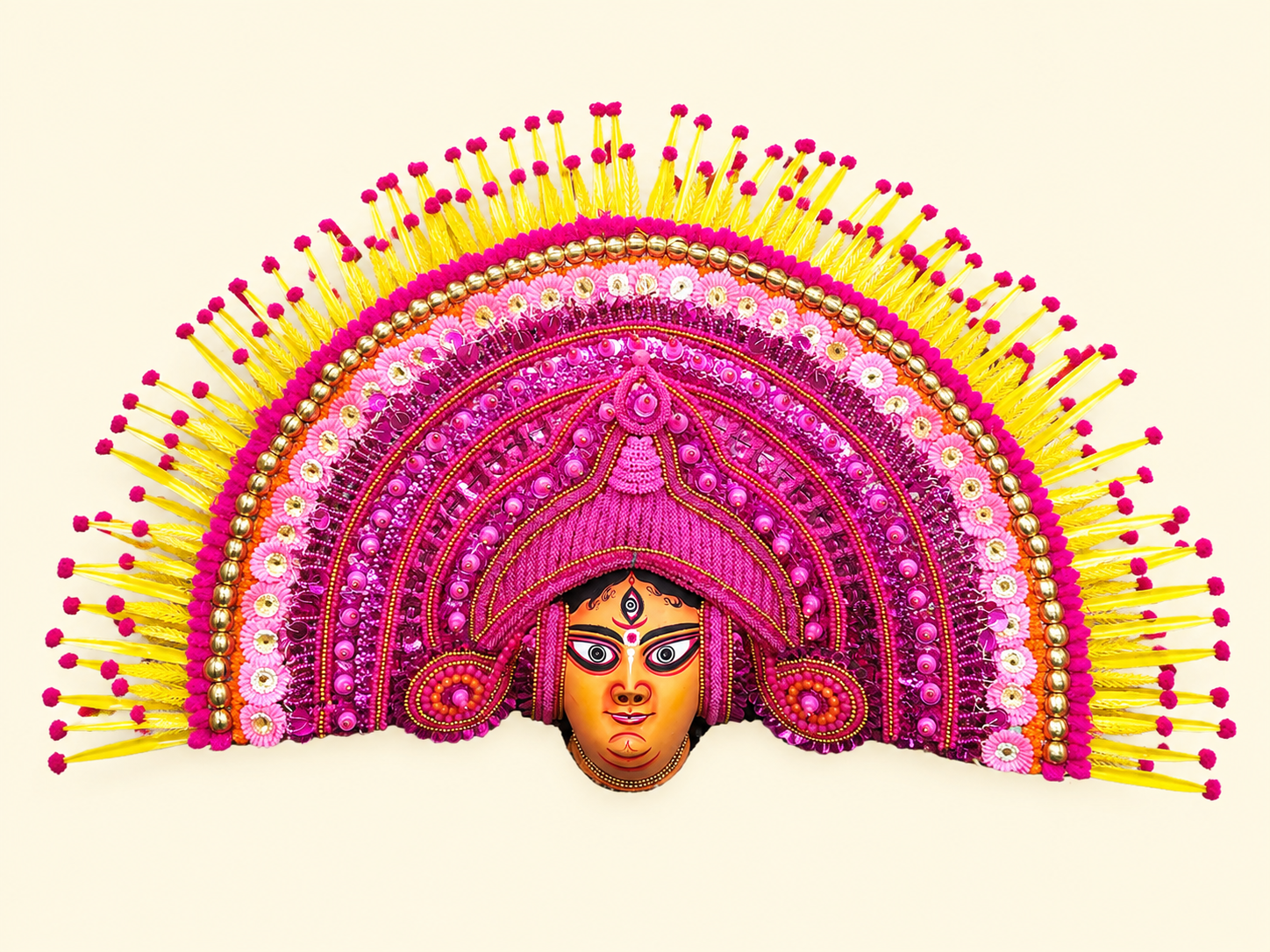
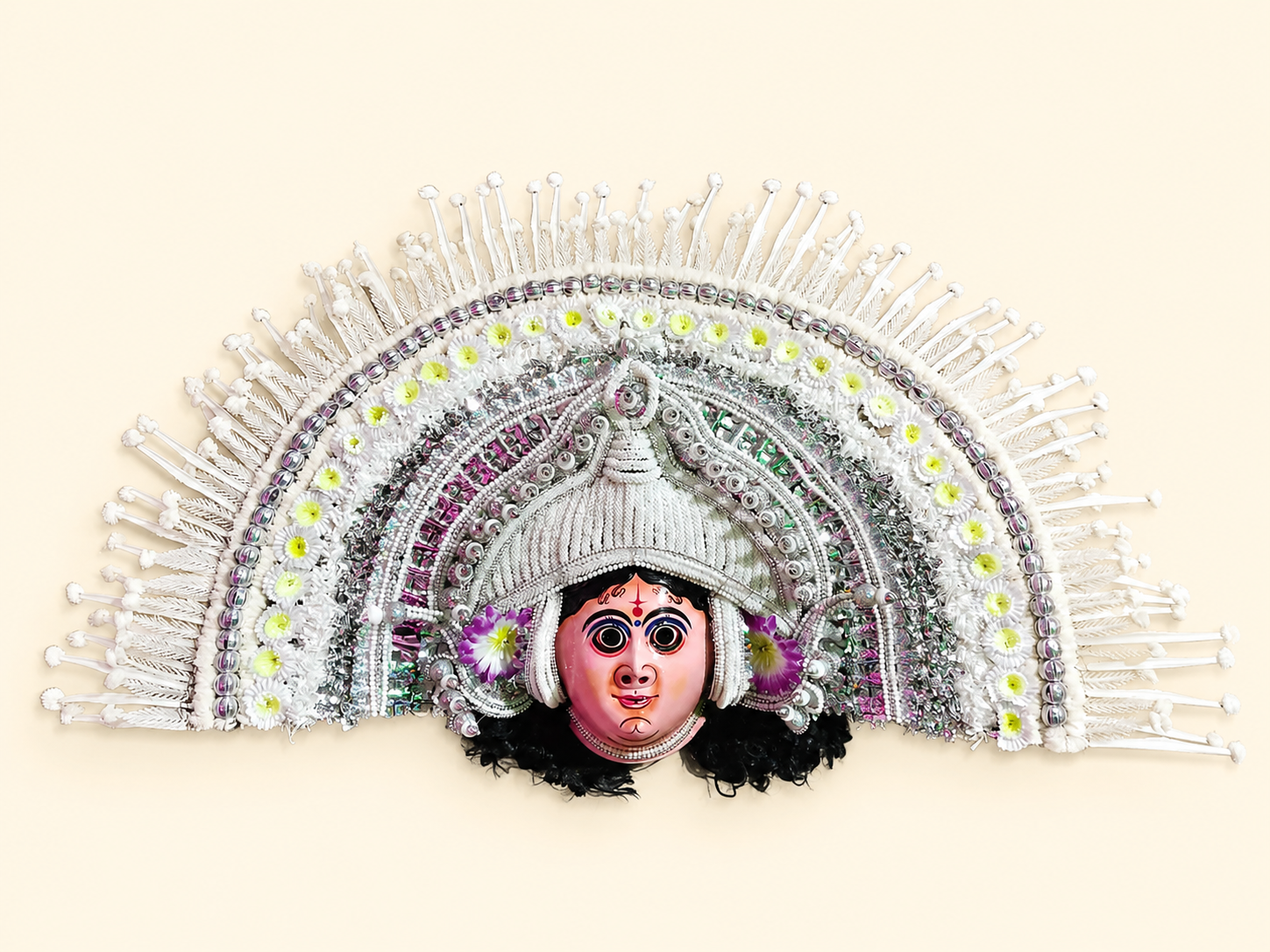
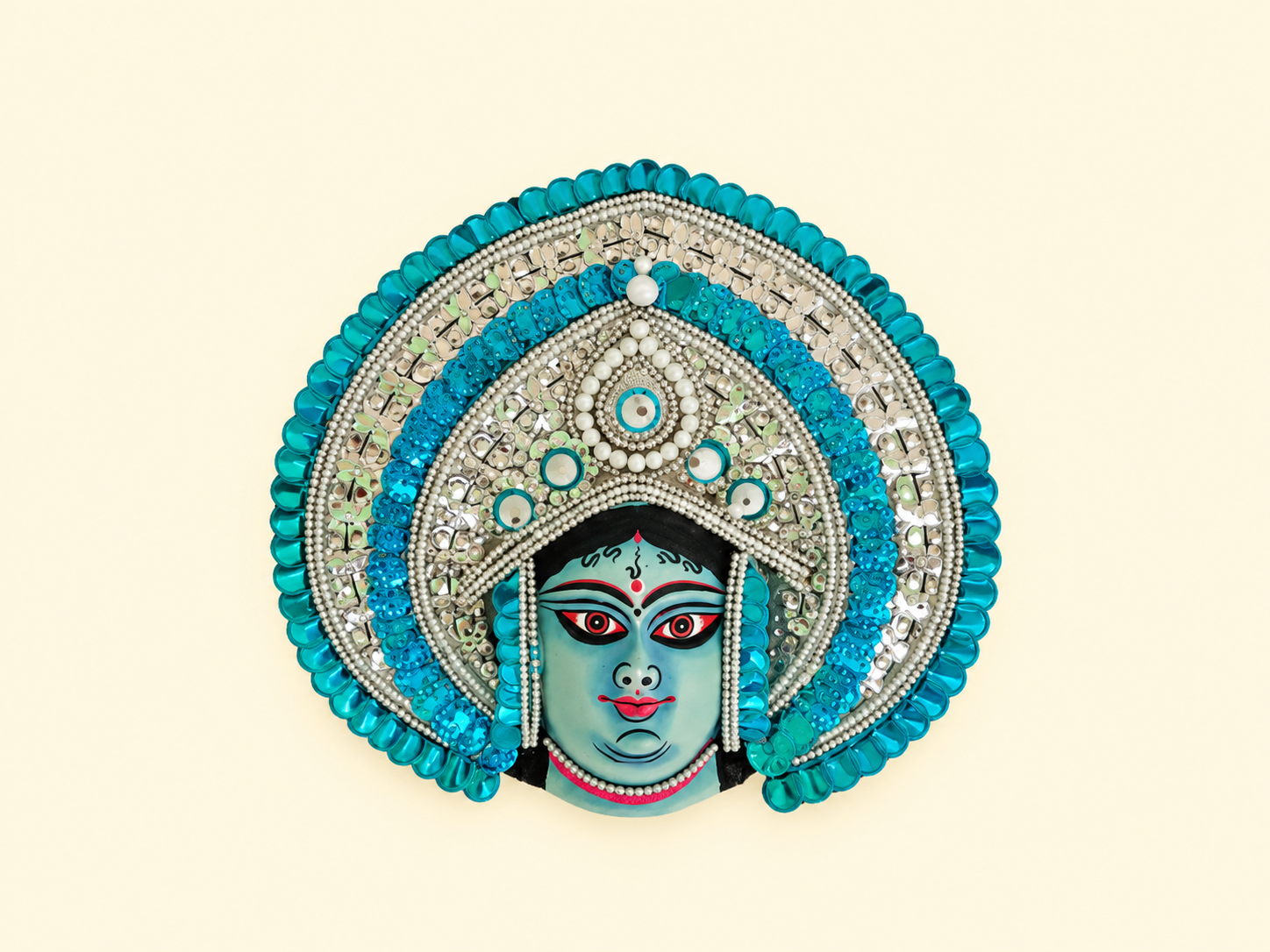
Chhau is a masked dance of eastern India that grew out of the parikhanda — the shield-and-sword drills once practised by village militias — and merged over generations with tribal dance and temple festival. In Charida, in Purulia’s Ayodhya Hills, Sutradhar families build its masks from clay, paper and cloth, then crown them in beadwork and sholapith. Every spring, at the Chaitra Parva, dancers wear them through the night to the beat of the dhol.
Chhau Mask · Charida
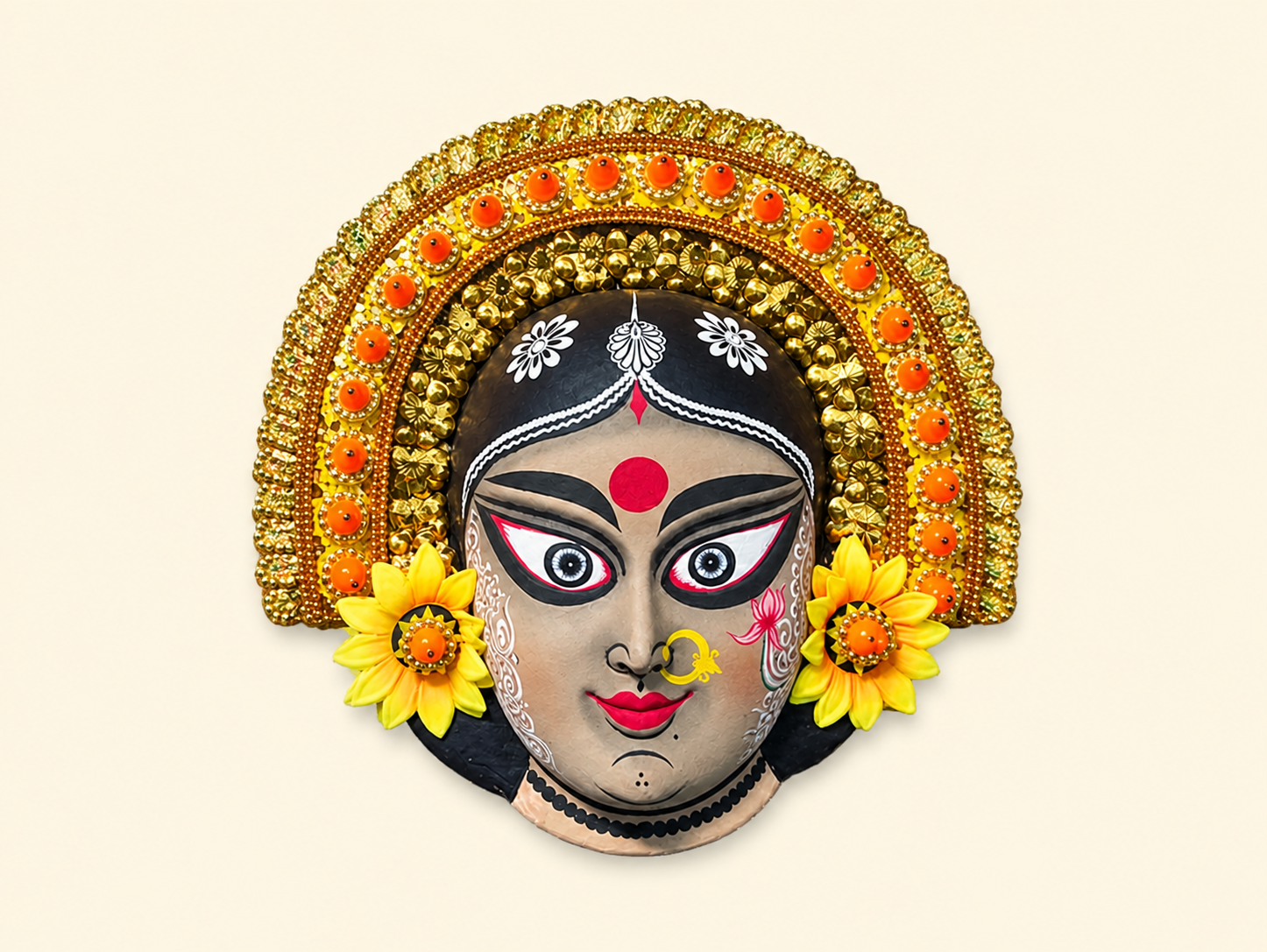
Chhau Mask · Charida
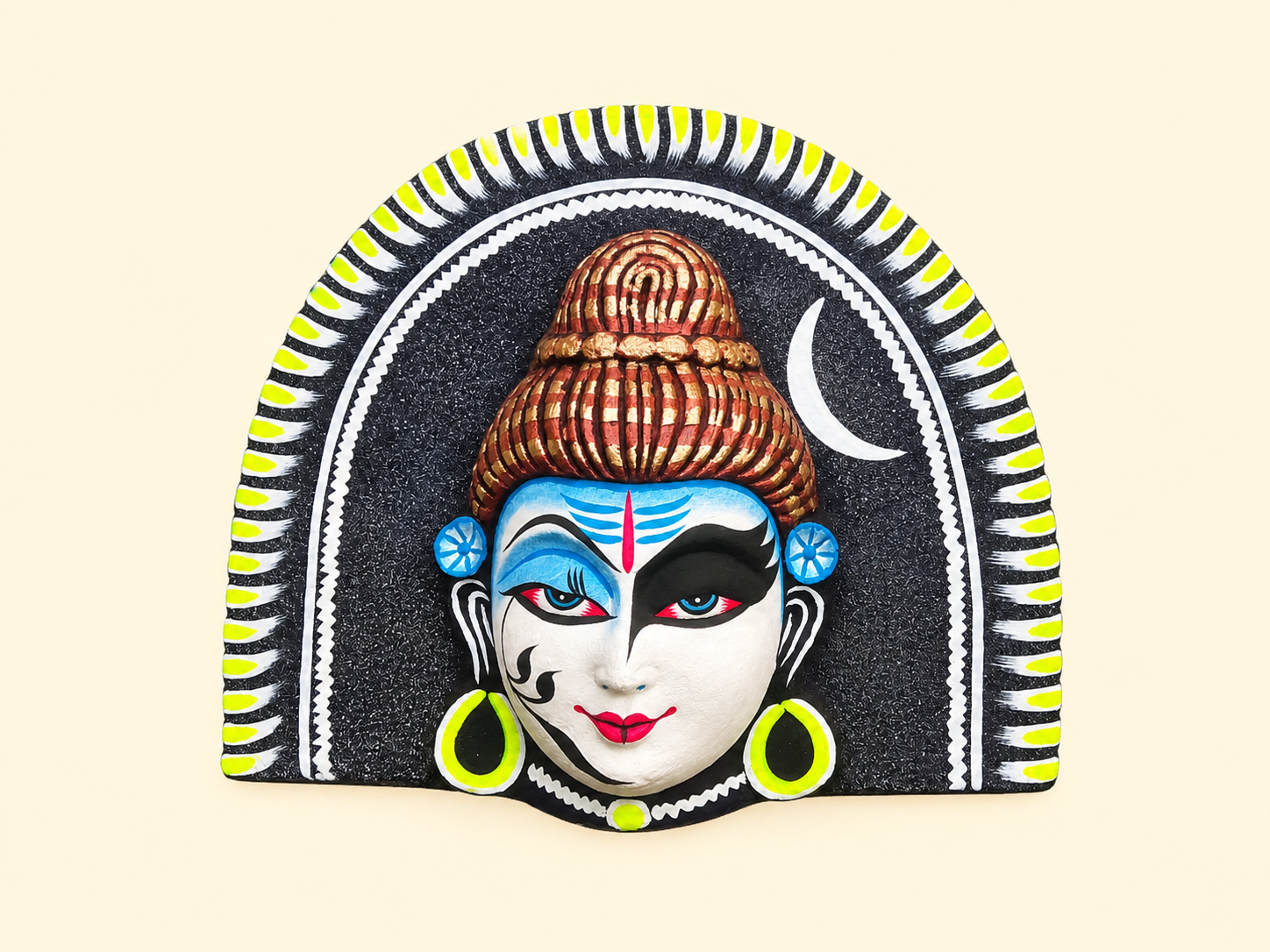
₹2,499
Chhau Mask · Charida
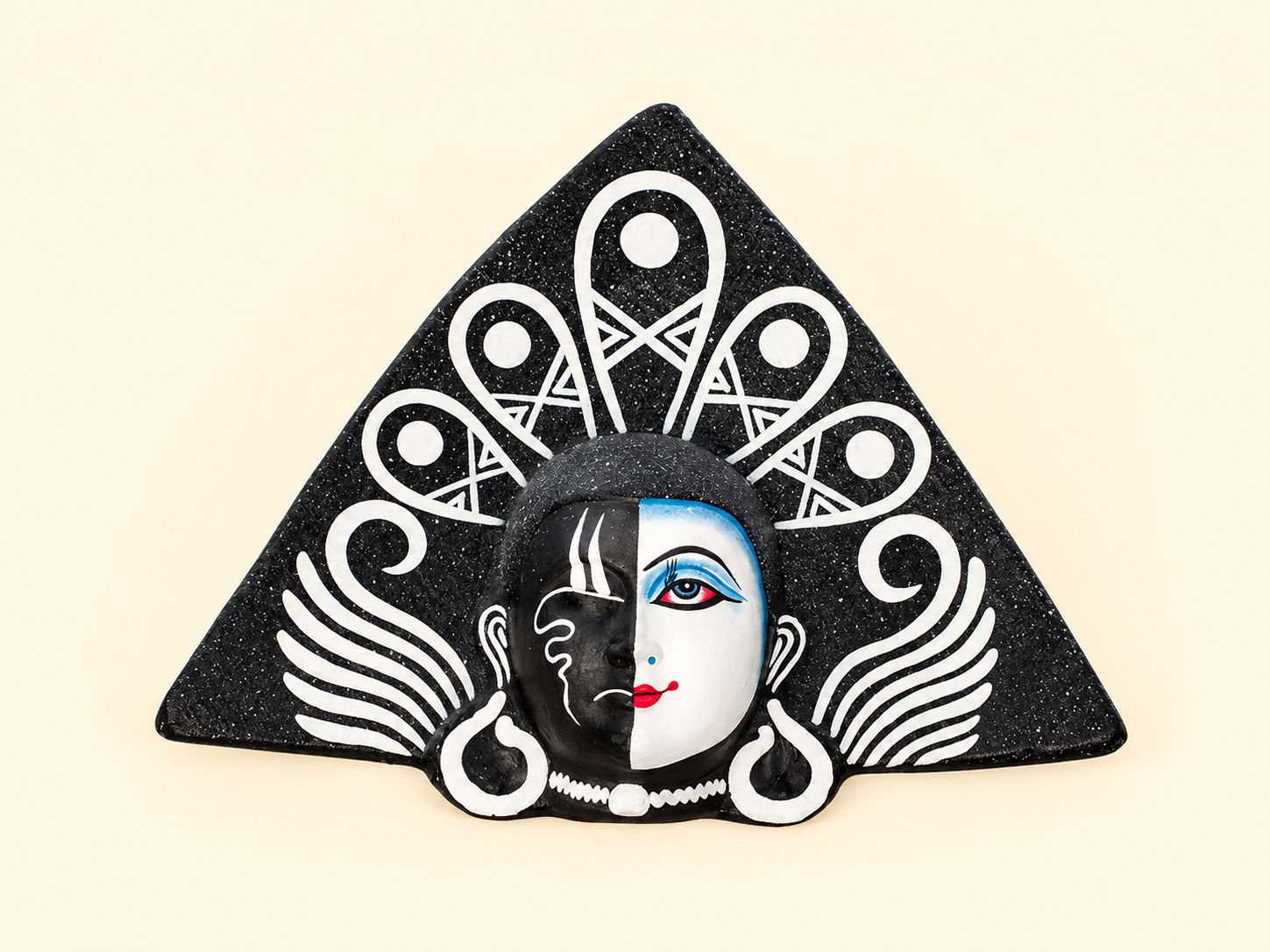
₹2,200
Chhau Mask · Charida
Chhau Mask · Charida
Chhau Mask · Charida
Chhau Mask · Charida
Chhau Mask · Charida

Chhau Mask · Charida
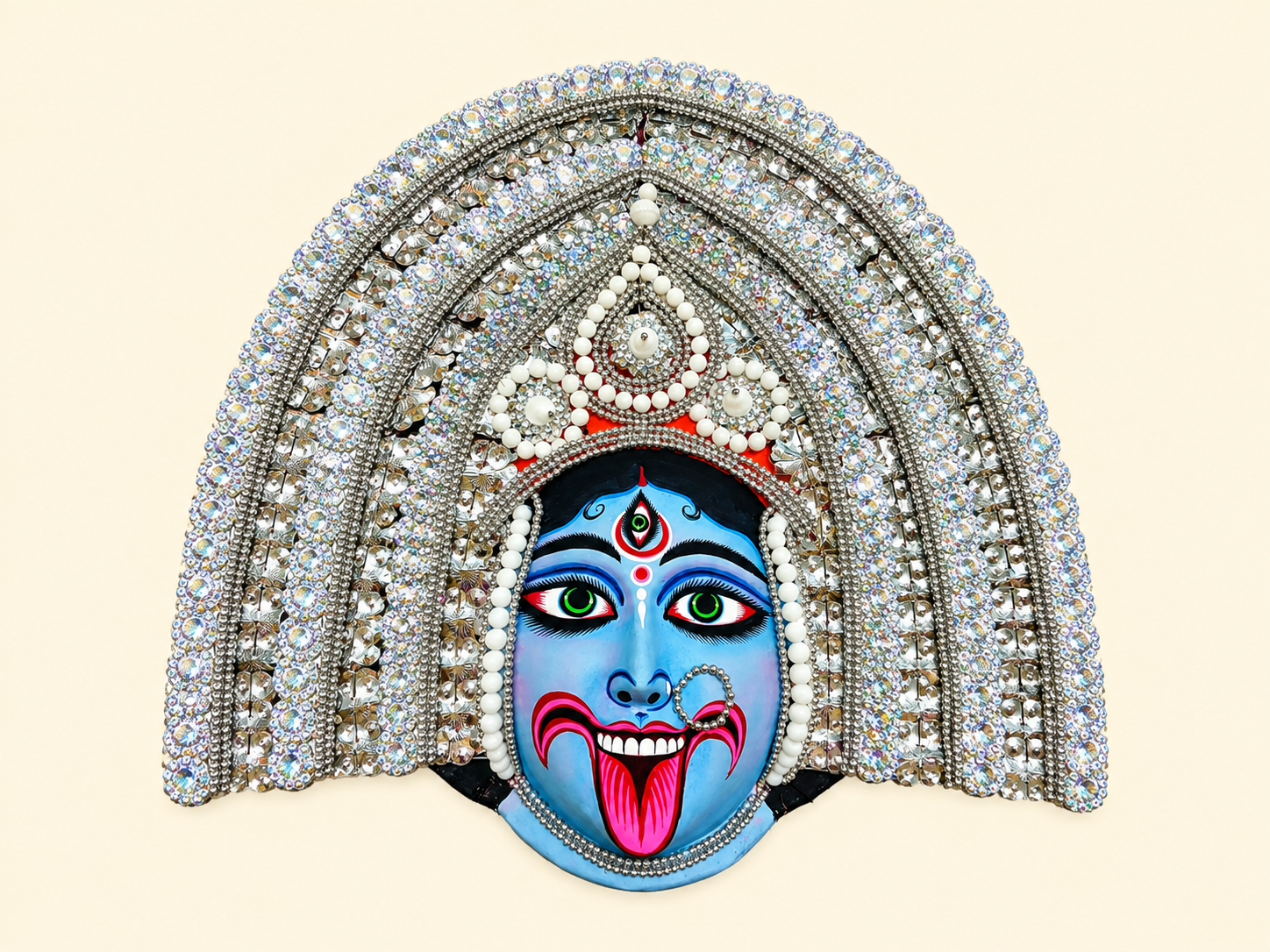
₹5,000
Chhau Mask · Charida
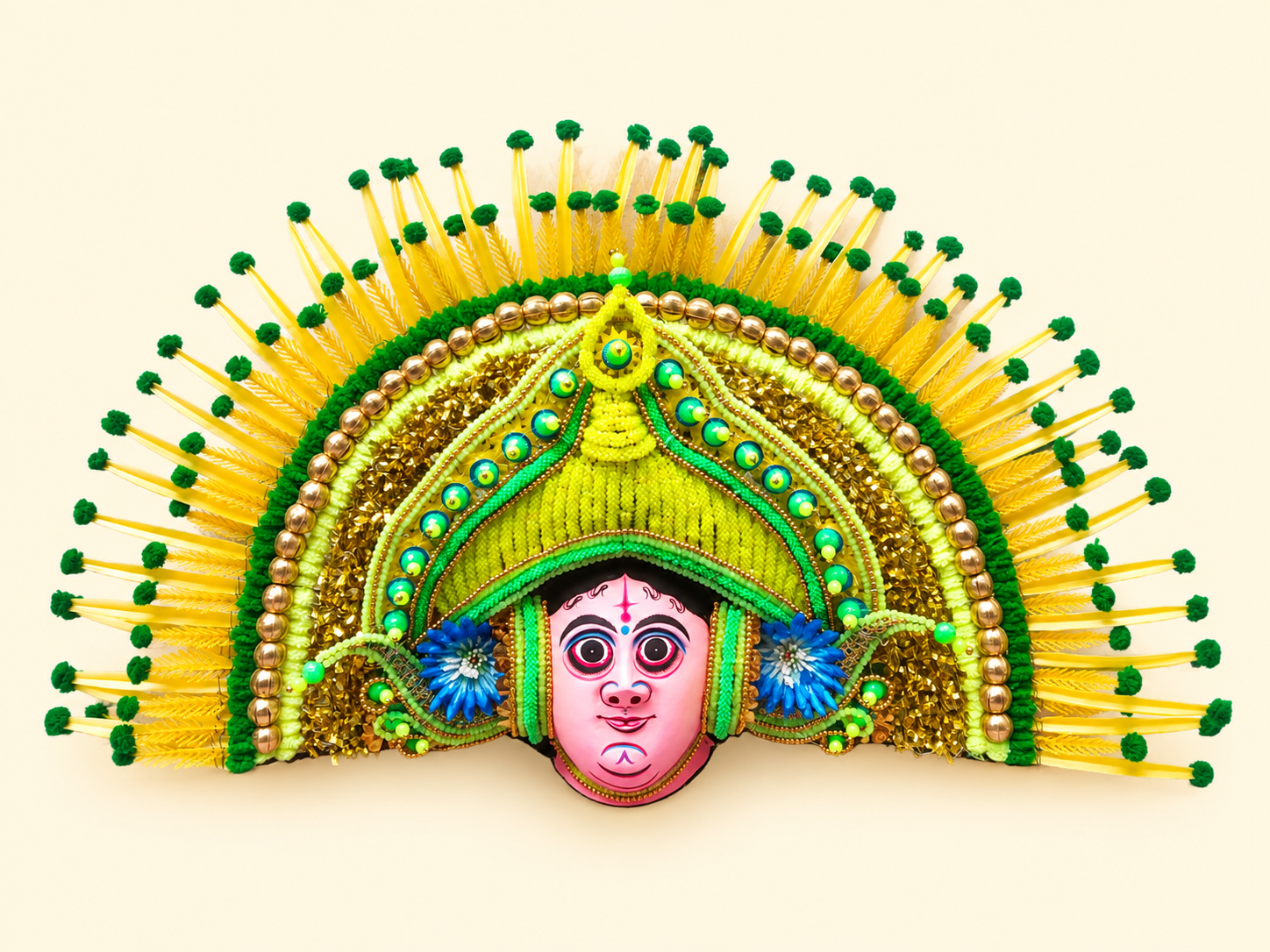
Chhau Mask · Charida
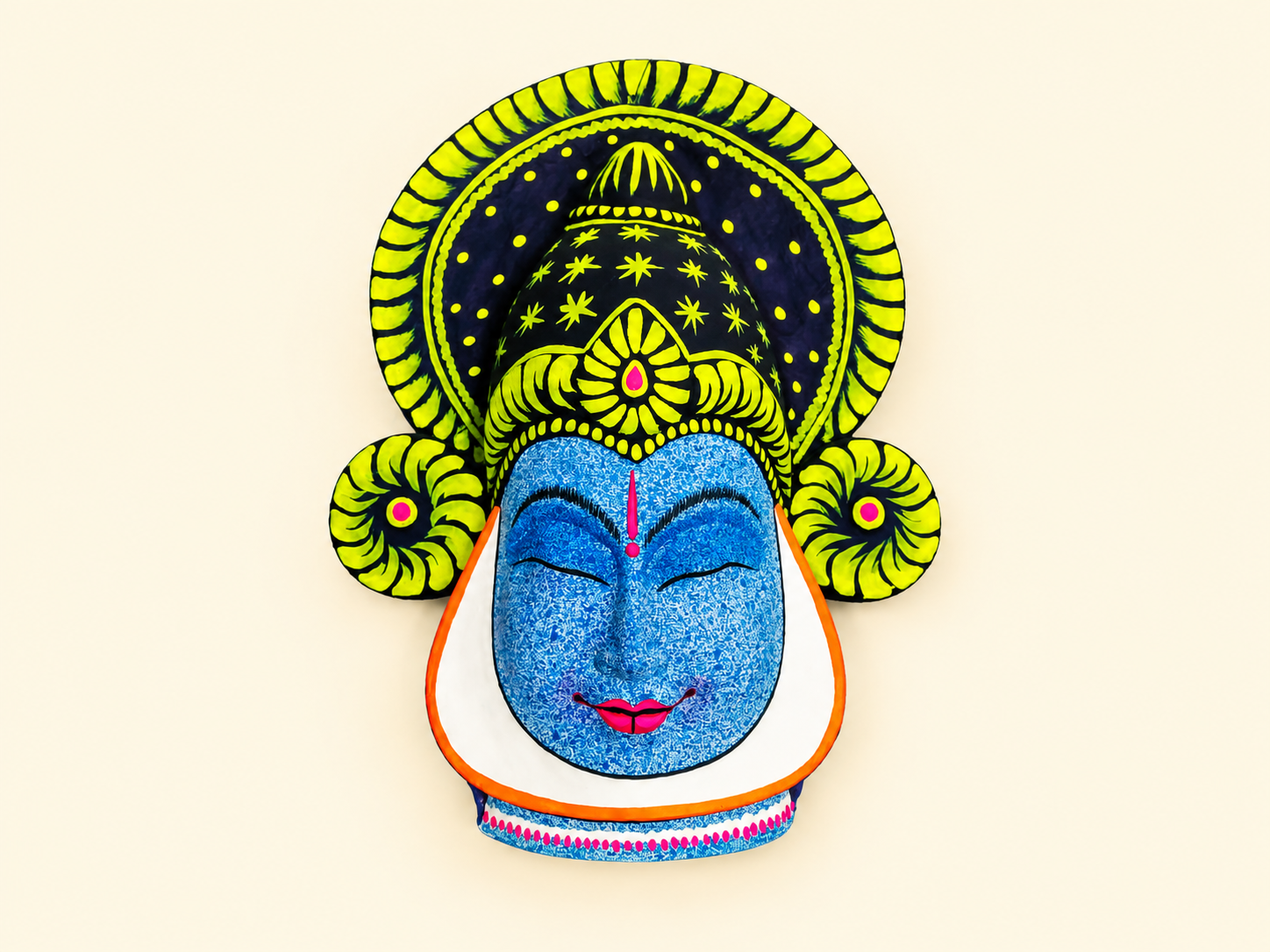
Chhau Mask · Charida
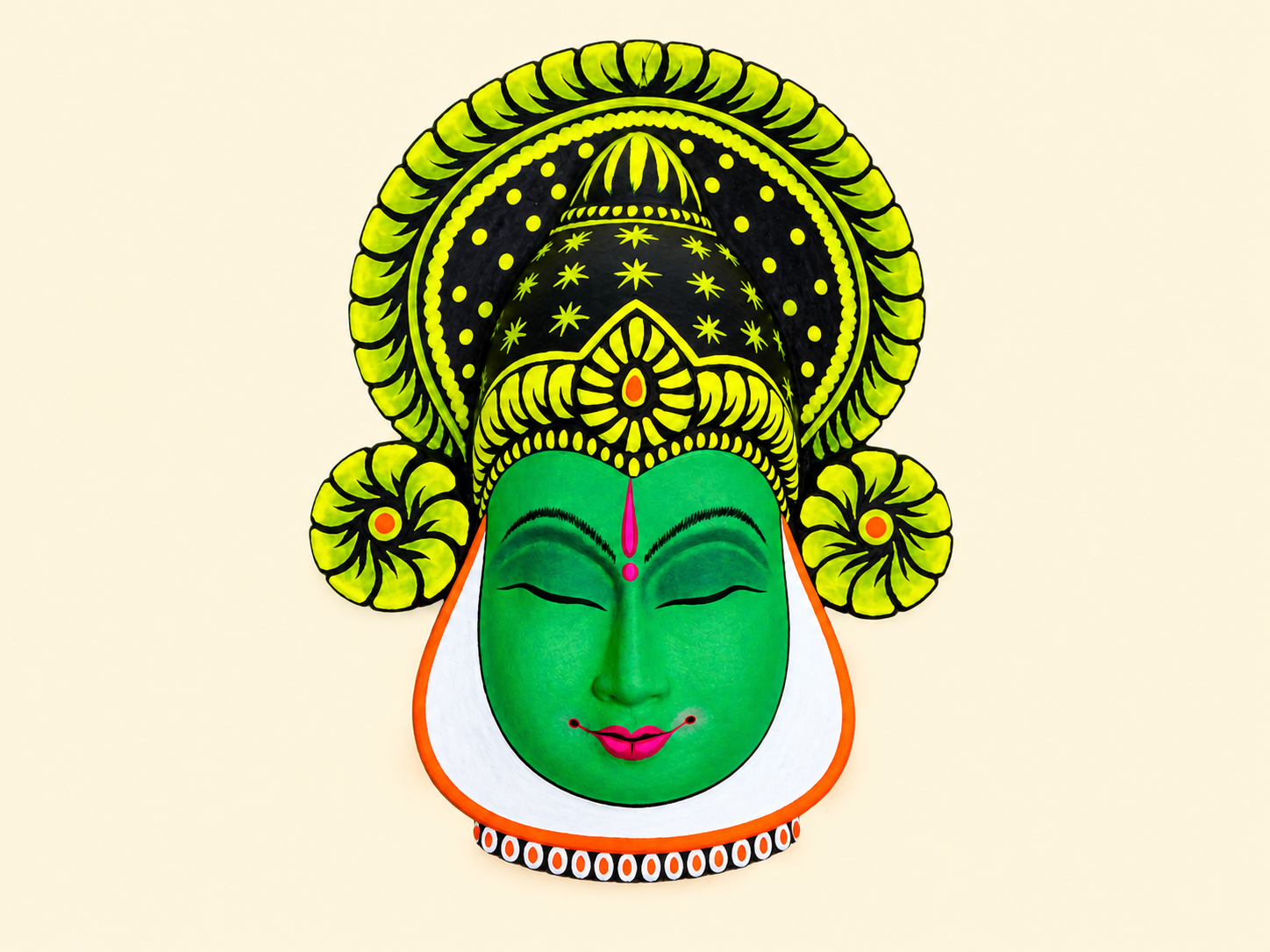
Chhau Mask · Charida
Chhau Mask · Charida
₹5,500
Chhau Mask · Charida
Chhau is a masked dance of eastern India that grew out of the parikhanda — the shield-and-sword drills of the region’s village militias — and merged with tribal dance and temple festival. It is still performed each spring at the Chaitra Parva, through the night, to the drums.
The pieces we sell are its masks (mukhosh). In the Purulia style they are large and vivid — Durga, Shiva, Ganesha, Kali, Hanuman and the demons they fight, in towering crowns and fan headdresses. The mask-making at Charida is said to have begun about 150 years ago under the patronage of the local raja of Baghmundi.
Chhau was inscribed on UNESCO’s list of Intangible Cultural Heritage in 2010, and the Purulia Chhau Mask received a Geographical Indication in 2018. The dance keeps the mask-makers in work; the mask keeps the dance alive.
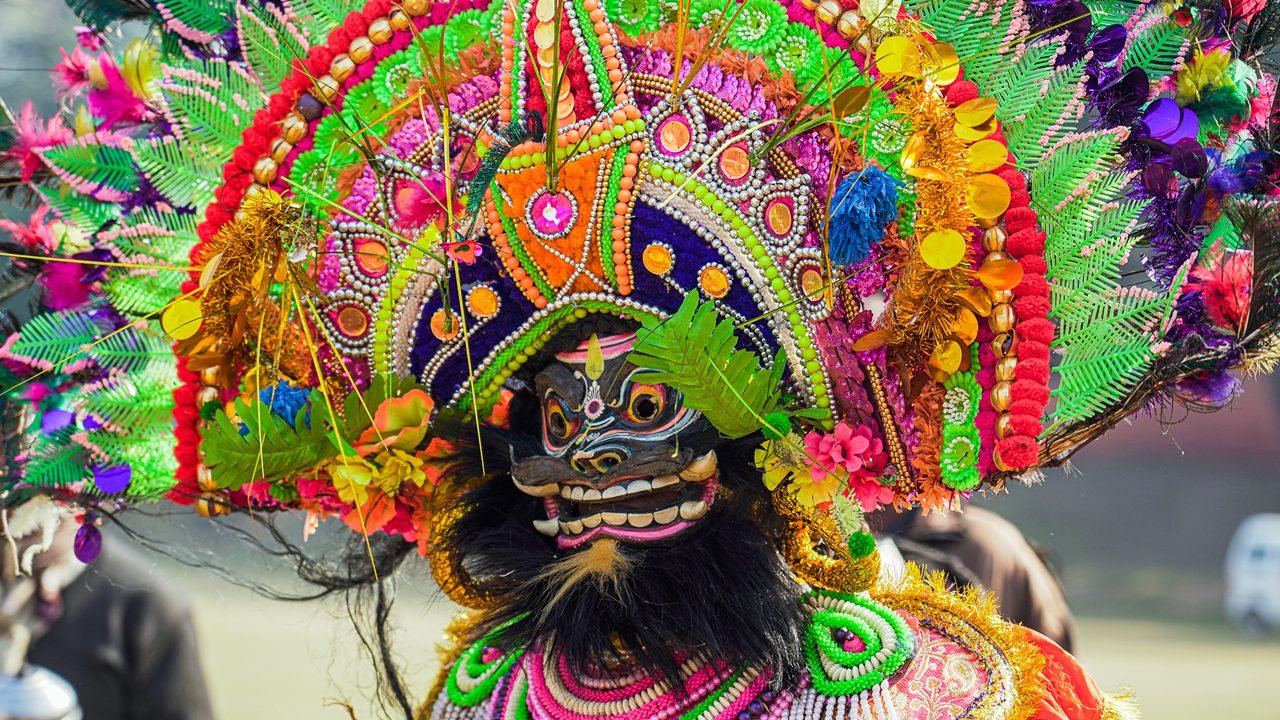
Charida — near Baghmundi in Purulia — is known as Mukhosh Gram, the mask village. More than two hundred and fifty families of the Sutradhar community make Chhau masks here, front rooms opening onto the road hung floor to ceiling with gods and demons. What began as work for one dance now supplies stages, collectors and homes, from full-size dance masks to smaller wall hangings.
The masks come from Charida, a single street of workshops below the Ayodhya Hills in Purulia district, West Bengal, about 60 km from Purulia town. The makers are Sutradhar families, traditionally carpenters and image-makers, who learned the craft by working alongside the dancers. Clay comes from nearby riverbeds; the finishing — sholapith, beads, foil and feathers — is bought in from craft suppliers across Bengal.
A face is shaped in river clay — the positive form the mask is built over, reused many times.
Six to eight layers of soaked paper and thin cloth are pasted over the mould, then smoothed with clay.
Dried hard in the sun, the shell is eased off the mould; eye and breathing holes are cut.
Primed white, painted in bright colour, then crowned with sholapith flowers, beads, foil and feathers.
The mask is paper and clay — light, but brittle. Keep it out of damp, which softens the paste and lifts the paint, and out of direct sun, which fades the colour. Dust the ornament with a soft brush, hang it by the crown loop, and never rest it face-down.
