Sholapith · Malakar Sholapith
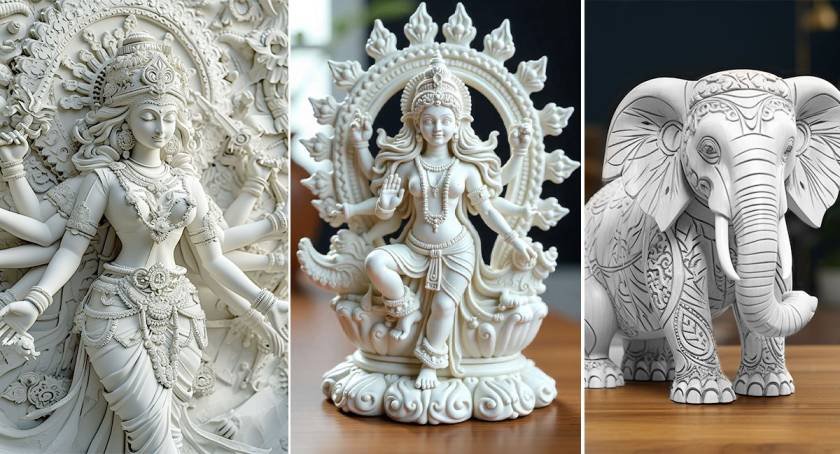
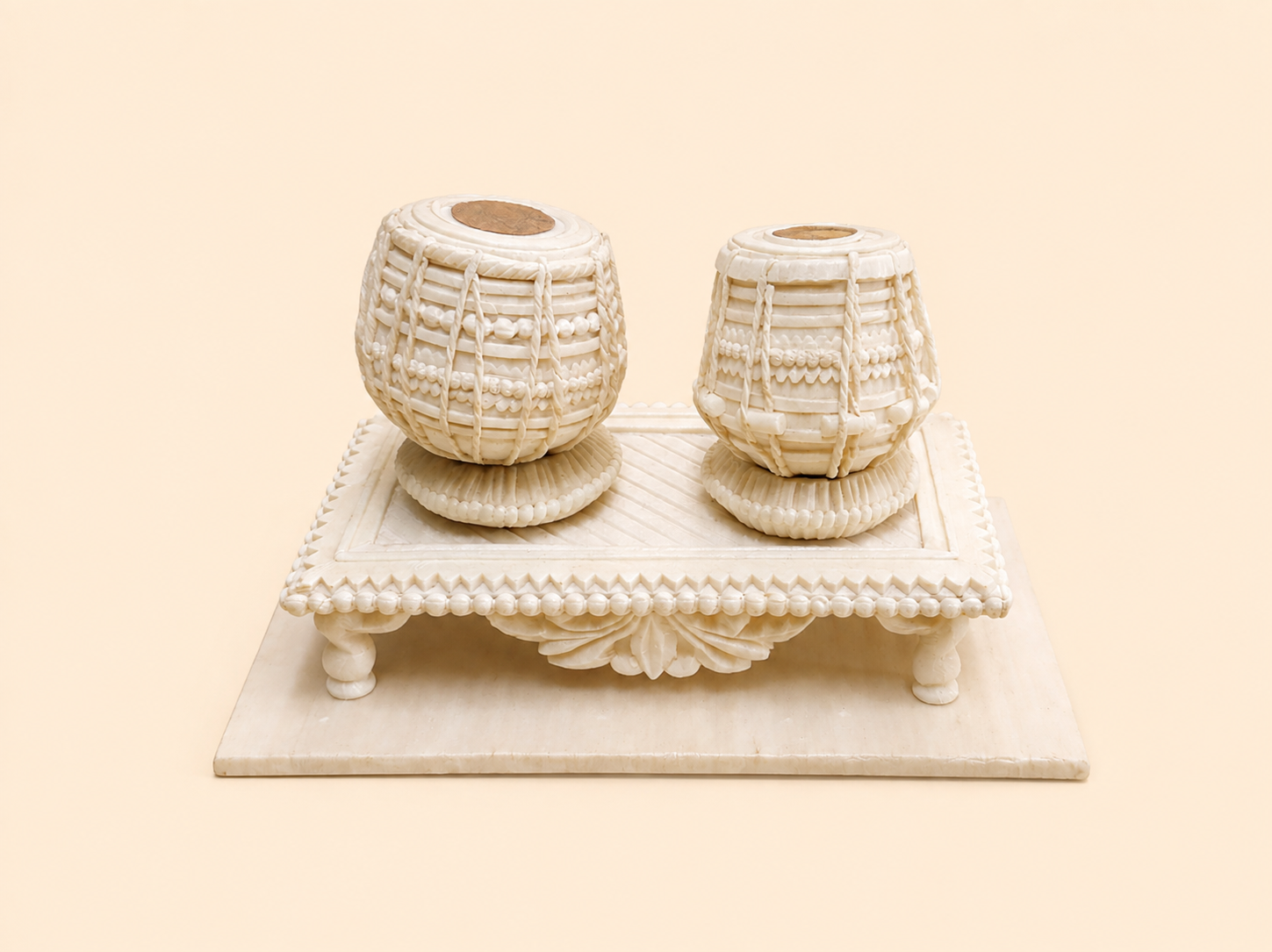
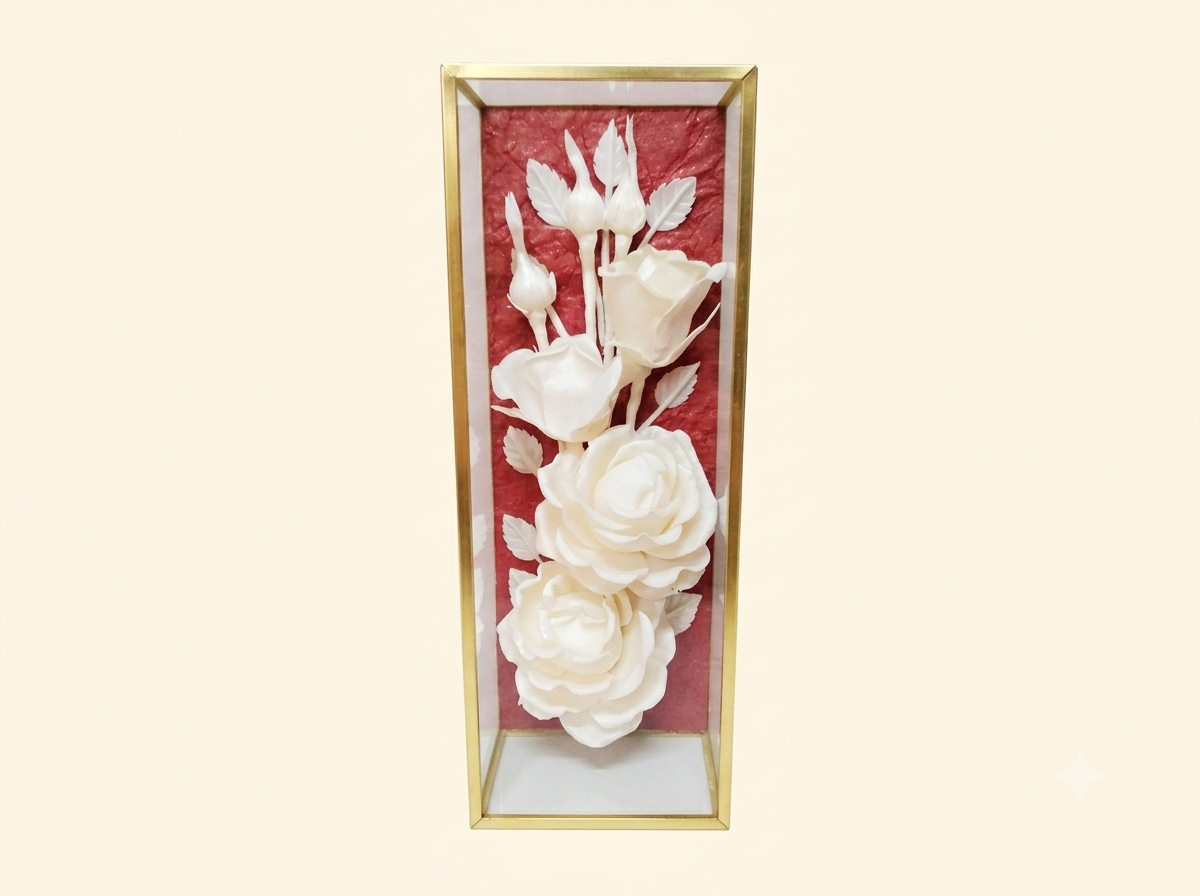
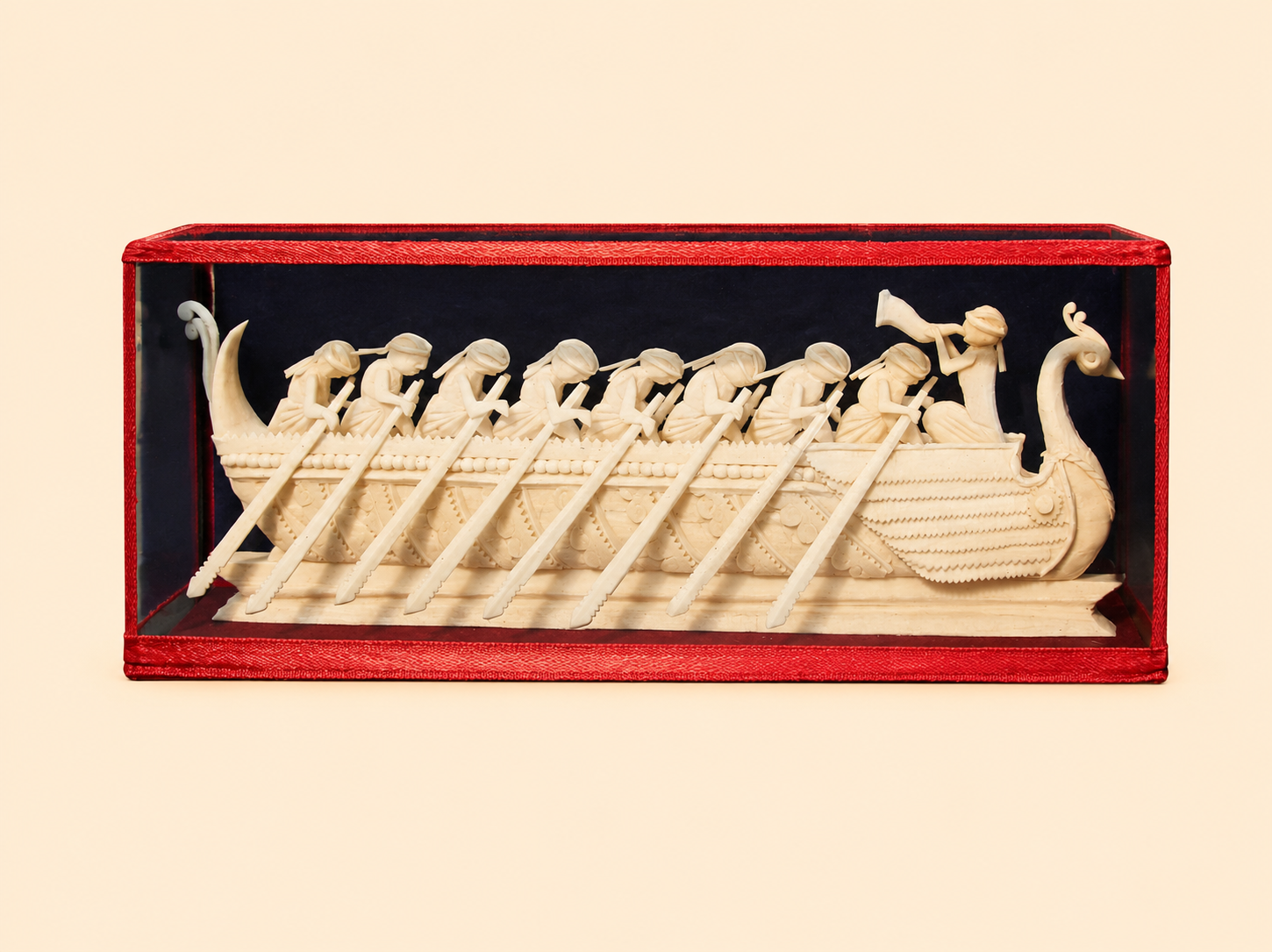
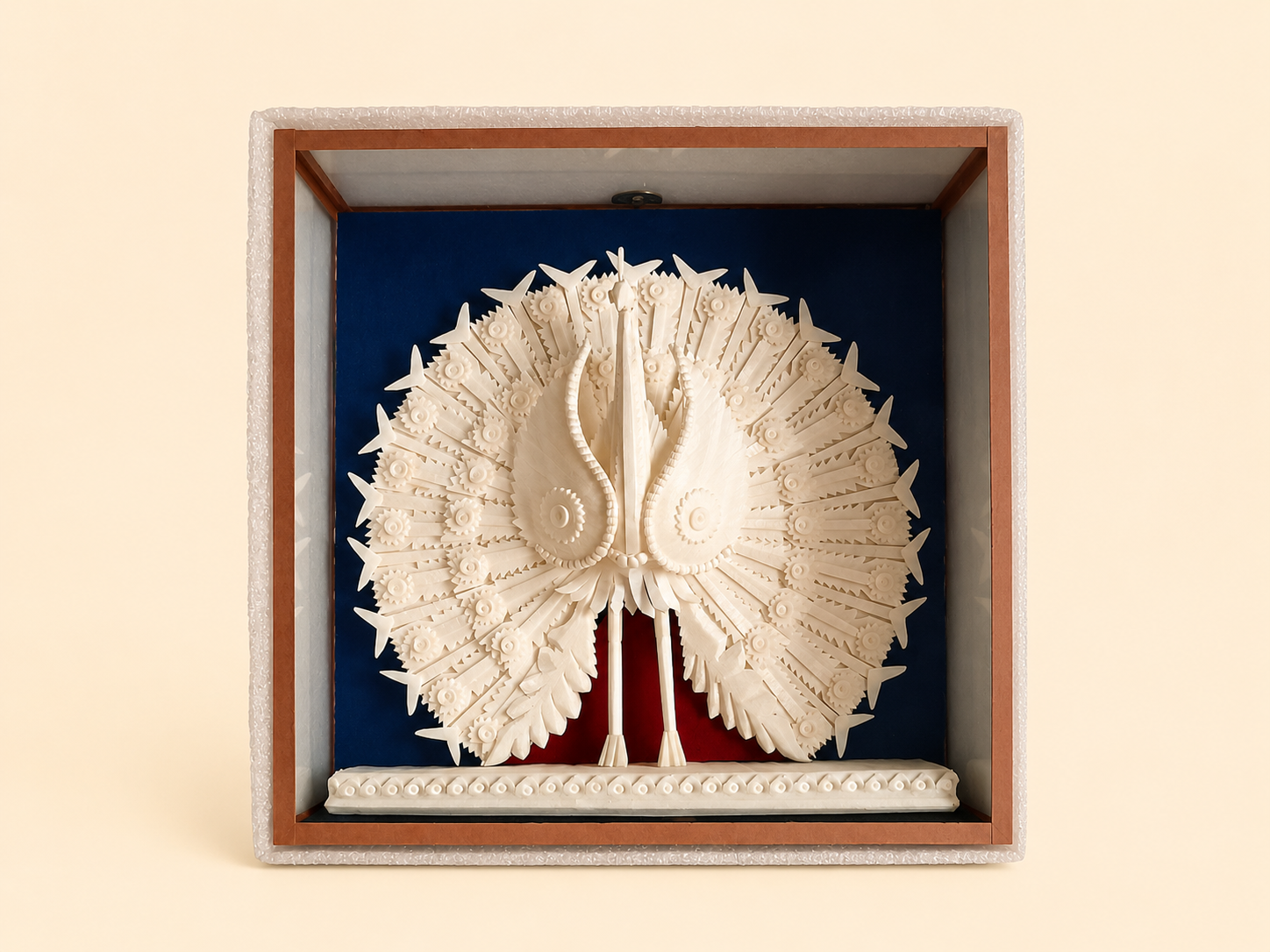
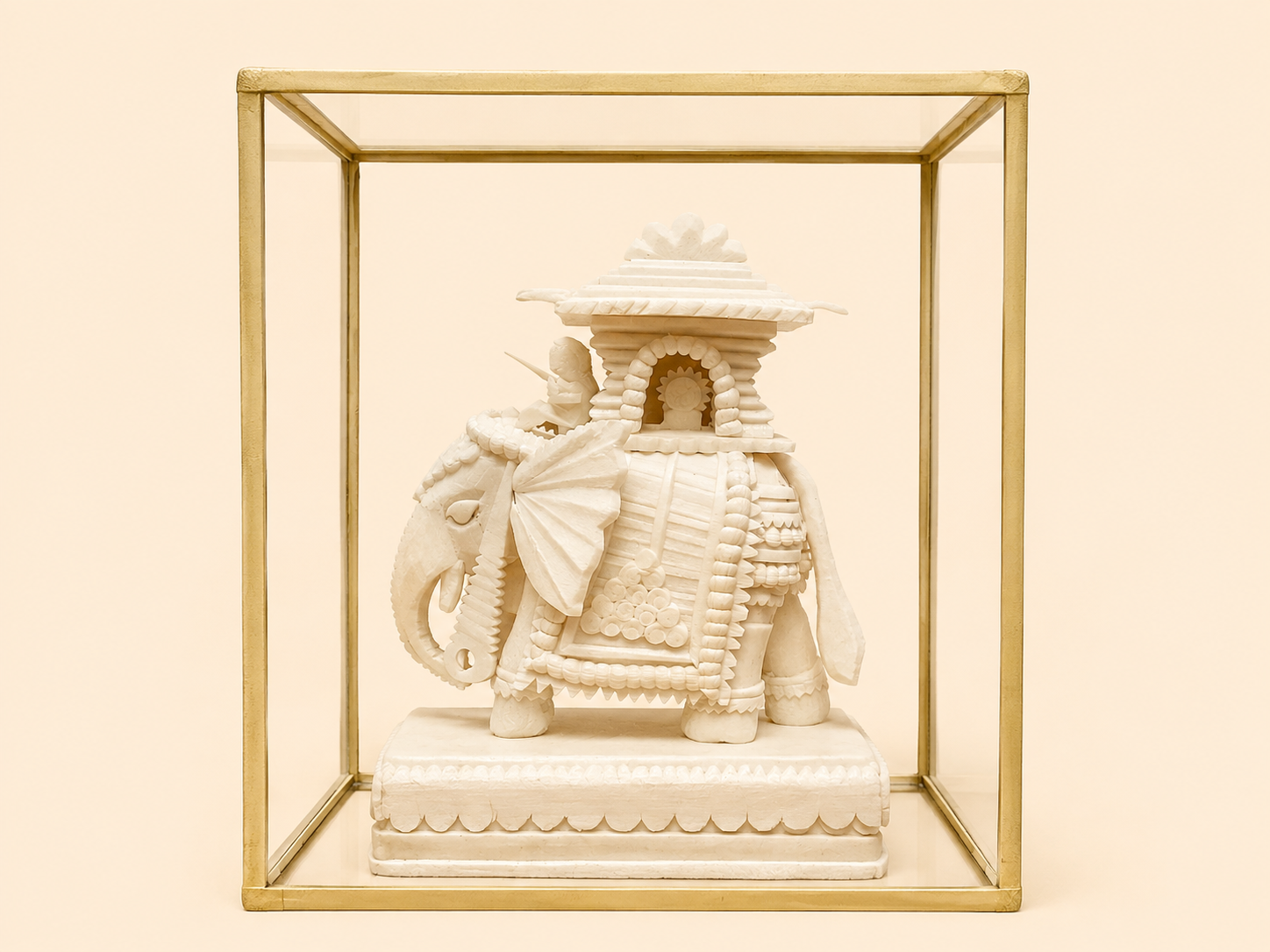
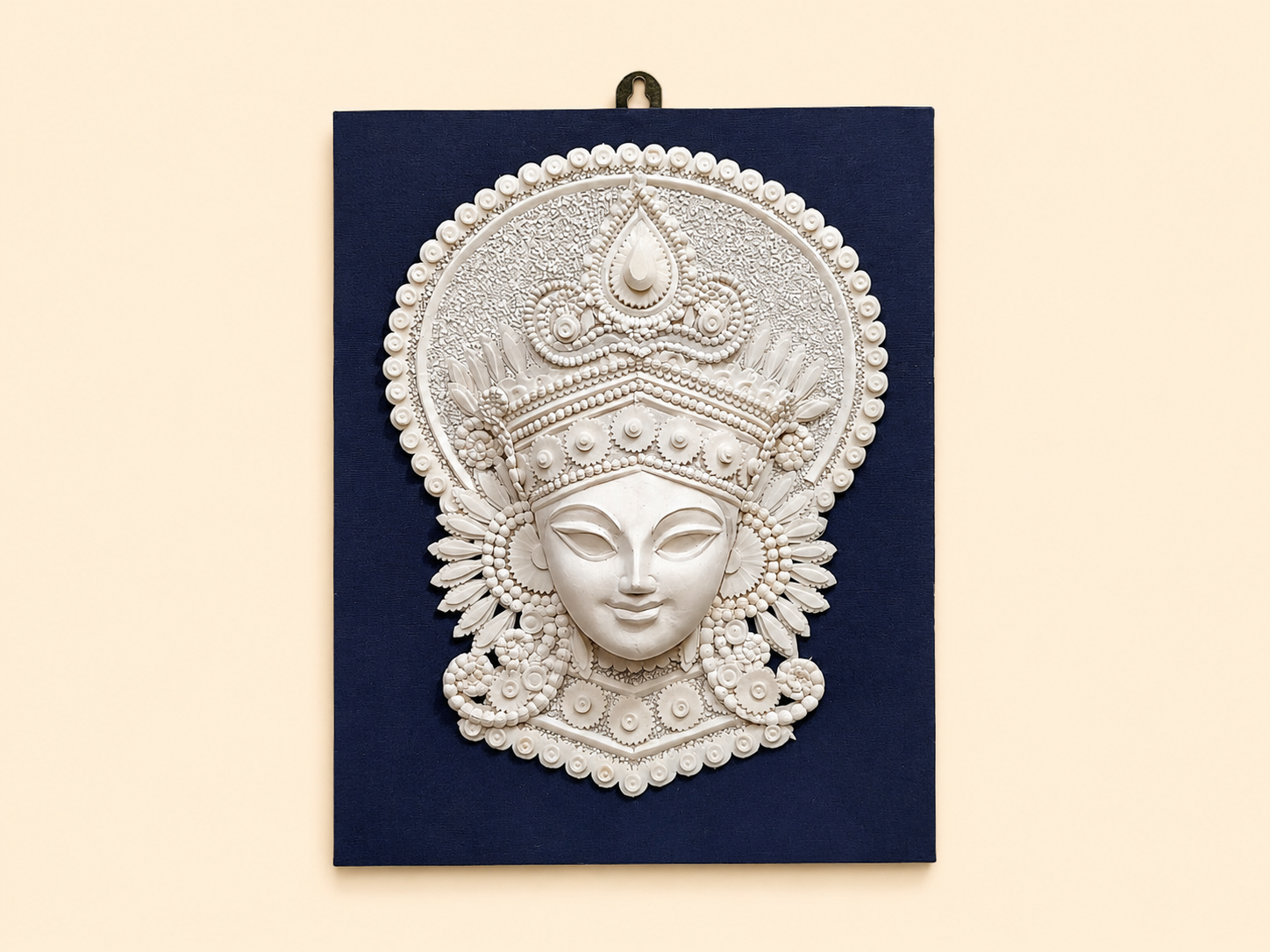
Sholapith is the dried pith of Aeschynomene aspera, a soft-stemmed reed that grows wild in Bengal’s beels, its shallow monsoon lakes. Under a blade it behaves like something between ivory and cork — pure white, nearly weightless, and fine enough to hold lace-thin detail. Malakar families in Bankura, Bardhaman and Murshidabad have carved it for generations into bridal crowns, Durga Puja ornament and, today, roses, boats, peacocks and elephants made to be kept.
Sholapith · Malakar Sholapith
Sholapith · Malakar Sholapith
Sholapith · Malakar Sholapith
Sholapith · Malakar Sholapith
₹1,499
Sholapith · Malakar Sholapith
Sholapith · Malakar Sholapith
Sholapith · Malakar Sholapith
Sholapith · Malakar Sholapith
Sholapith is the dried pith of Aeschynomene aspera, a soft-stemmed plant that grows in the still water of Bengal’s beels, its marsh lakes. Under a knife it behaves like something between ivory and cork — pure white, all but weightless, and fine enough to hold lace-thin detail. It is sometimes called the “herbal ivory” of Bengal.
The craft belongs to the Malakar community, whose name means “garland-maker” — one of the Nabasakha, the nine artisan castes of Bengal alongside the potter, the smith and the weaver. By tradition a Malakar shaped the first topor, the tall white crown a Bengali bride and groom still wear. Shola runs through Bengali ritual life: weddings, naming ceremonies, Manasa worship and, above all, Durga Puja.
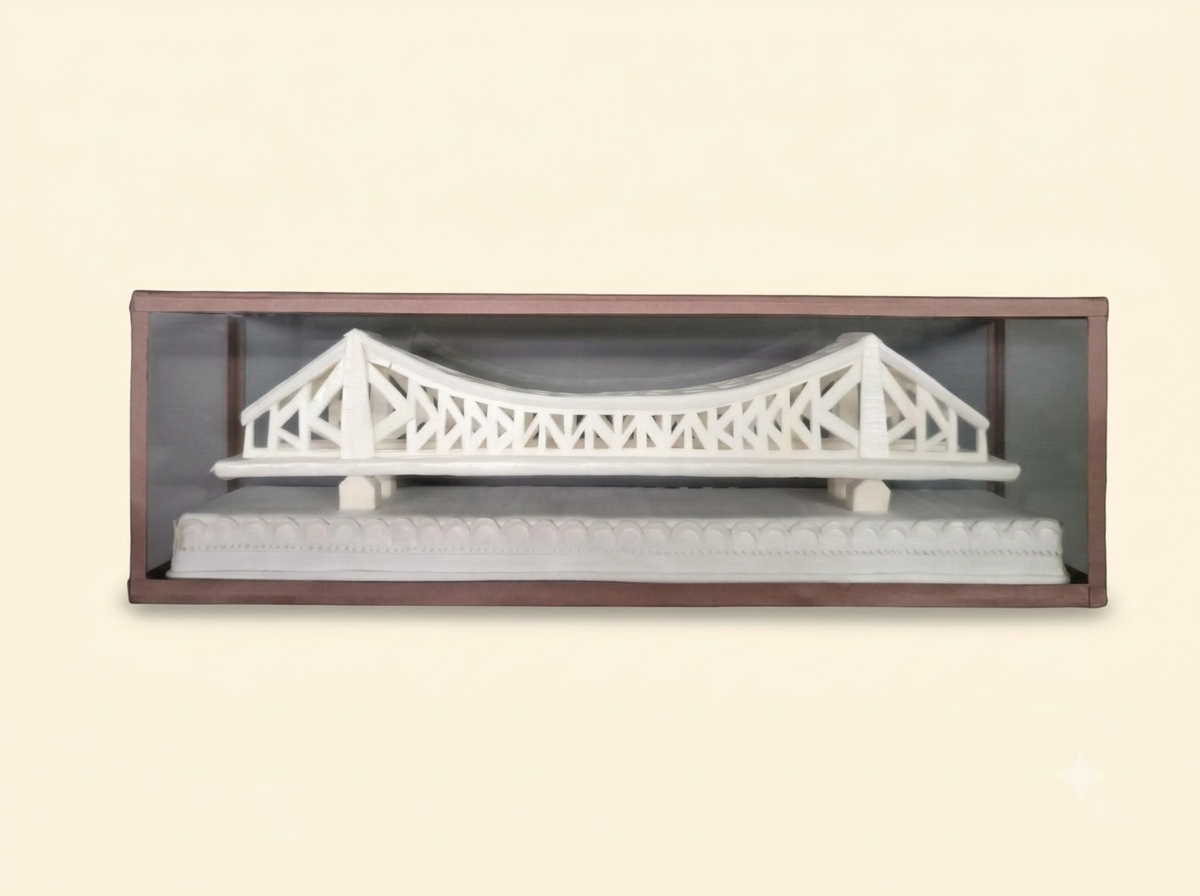
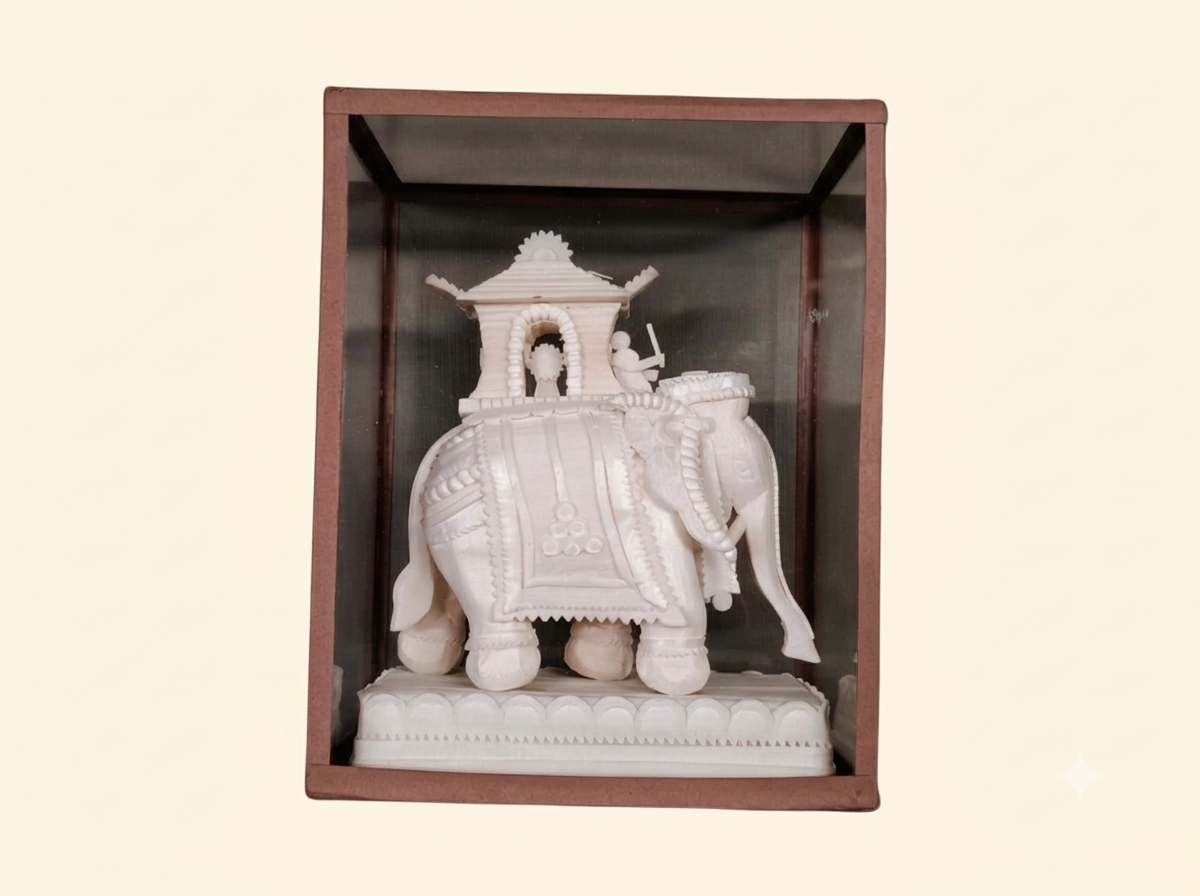
As ritual demand slowed, the carvers turned the same blade to decoration — flowers under glass, the peacock-prowed mayurpankhi boat, caparisoned elephants, even a Howrah Bridge — pieces that carry the craft into homes far from Bengal.
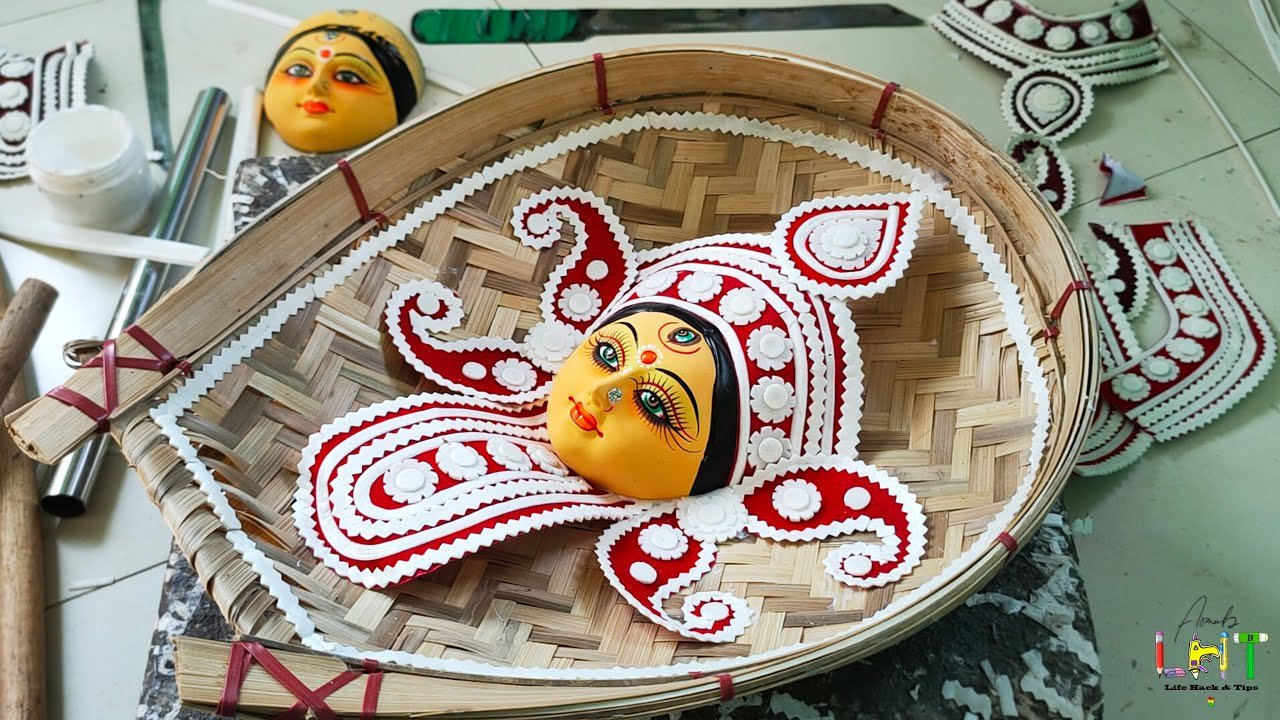
Every autumn, weeks before Durga Puja, Malakar workshops fill with daaker saj — the intricate white-and-silver shola armour, halo and jewellery fitted over the clay Durga. The name comes from daak, the post: the silver foil once arrived by mail from abroad. The idol-makers of Kumartuli still order their saj from these villages.
The plant grows across the deltaic wetlands, and the carving is spread across several districts of West Bengal, each with its own style. Our pieces come from Malakar workshops in Bankura; older clusters work in Purba Bardhaman, Murshidabad (around Jiaganj and Azimganj), Nadia, Hooghly and Alipurduar. Some five thousand artisans still practise the craft. Shola is cut from the beels in the monsoon, sun-dried through winter and carved all year; the whitest, finest pith fetches the best price.
Stems are pulled from the marsh in the rains and sun-dried; the brown skin is peeled to the white core.
The pith is cut to length and worked slightly moist, so it pares cleanly instead of crumbling.
With one thin blade the artisan shaves wafer-thin sheets and cuts lace patterns by eye — no moulds.
Parts are joined with a rice or tamarind paste into flowers, boats and figures, then trimmed with foil, zari or colour.
Sholapith is almost weightless and just as delicate. Keep it away from damp and direct sun, which yellow and warp it. Never wipe with a cloth — lift dust with a soft brush or a gentle puff of air. Framed and cased pieces are best left closed; handle open pieces by the base.