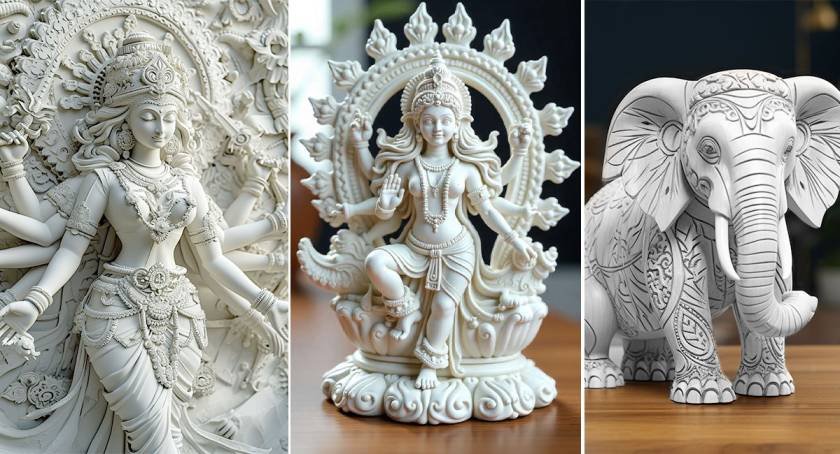
Handmade objects, with their story intact
Purva Heritage works hand in hand with artisan families across West Bengal, Jharkhand and Odisha. We sell their sholapith, chhau, terracotta, sabai grass, kolka and carved-brass work — and with every piece we pass on what makes it worth owning: who made it, where, and why the craft has survived.
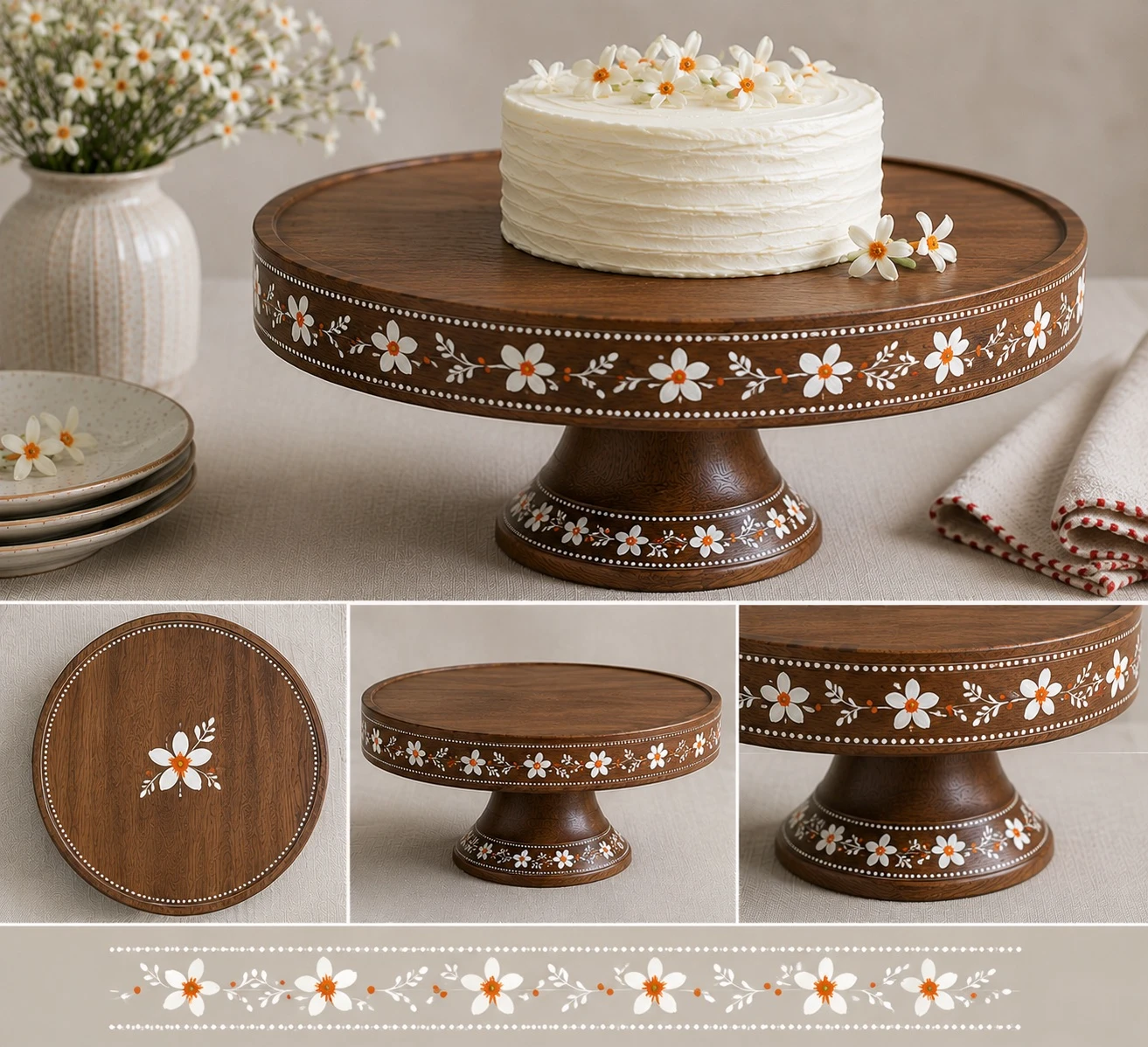
Working with the makers, not around them
Purva Heritage began as weekend trips to the craft villages of West Bengal, Bihar , Assam & North Eastern States ,Jharkhand and Orissa , and grew into a year-round partnership with the families who keep these skills. Every piece is made the slow way — nothing is mass-produced, and most of what you pay goes straight back to the workshop.
Mousumi BanerjeeFounder, Purva Heritage
Get in touchEvery piece arrives with its lineage
Who made it, where, and why the technique has lasted — that knowledge is part of the object. We sell the piece, but first we pass on what makes it worth owning: the craft, the region, and the hands behind it.
Dharmendra SutradharChhau artisan, Bardhaman
Browse the craft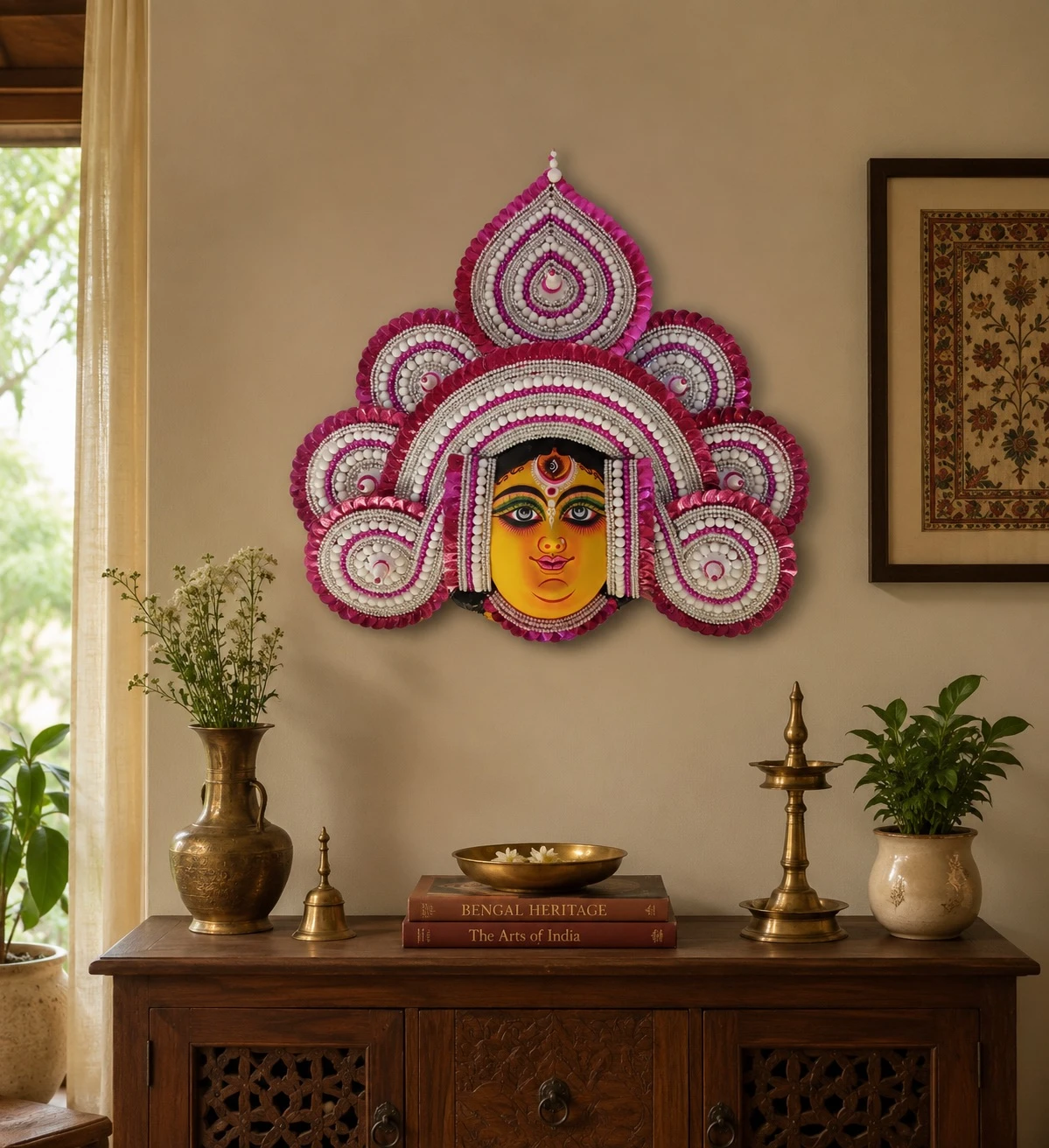
How we work
-
01
Sourced direct
We buy straight from the workshop — no middle layers, no warehouse copies.
-
02
Made by hand
Every piece is hand-worked with traditional tools and finishes, start to end.
-
03
Fair to makers
Artisans set their price and are paid up front, before a single piece ships.
-
04
Story attached
Every order ships with a card naming the craft, the village and the maker.
“The tools haven’t changed in four generations. What changed is that someone finally wanted the story told with the object.”
— Ratan Malakar, sholapith artisan, Bardhaman