Terracotta · Panchmura
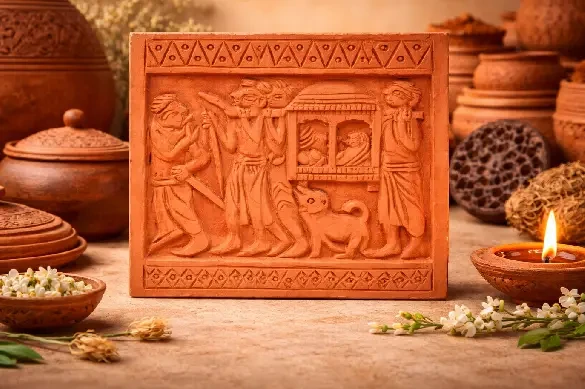
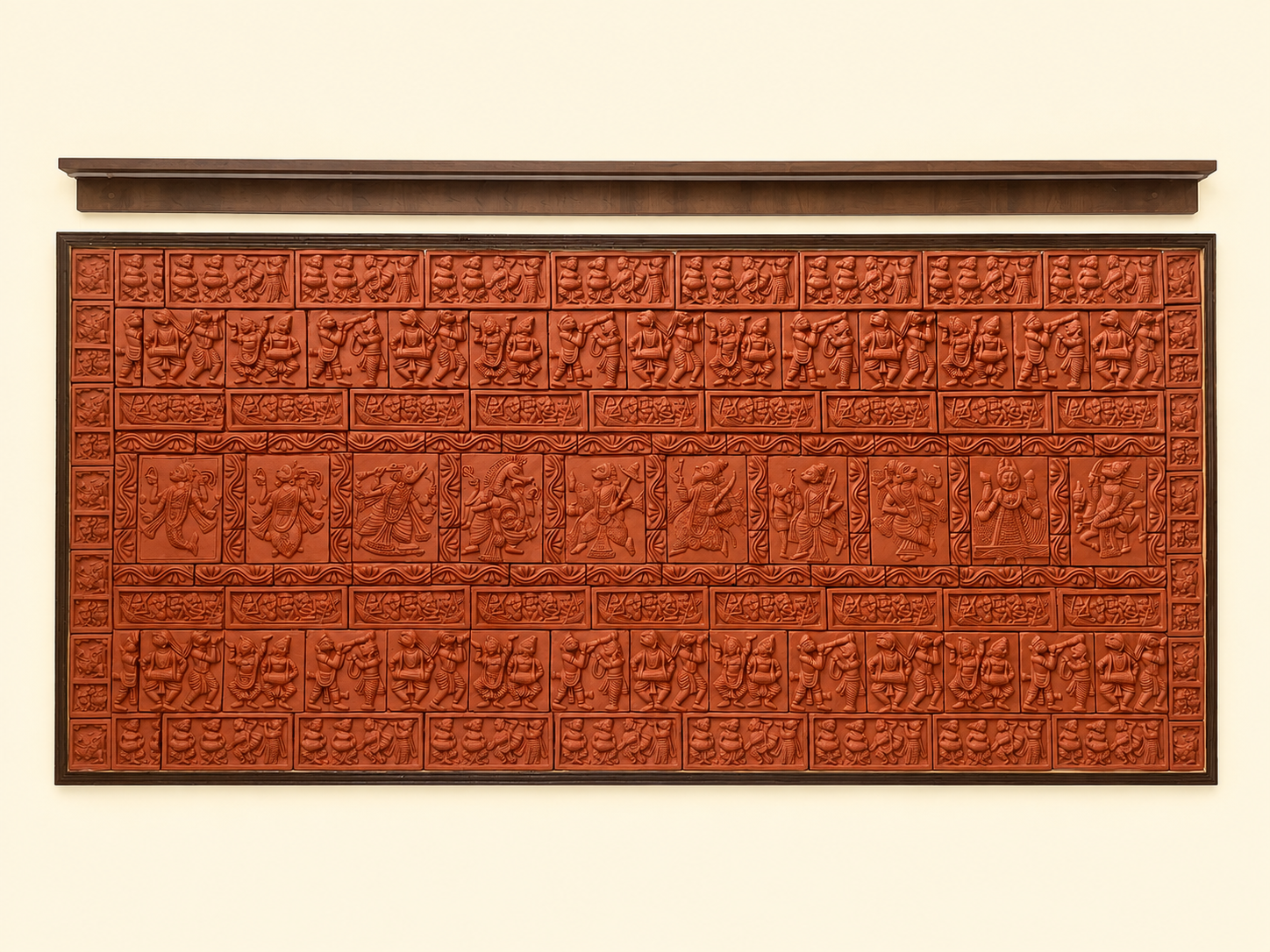
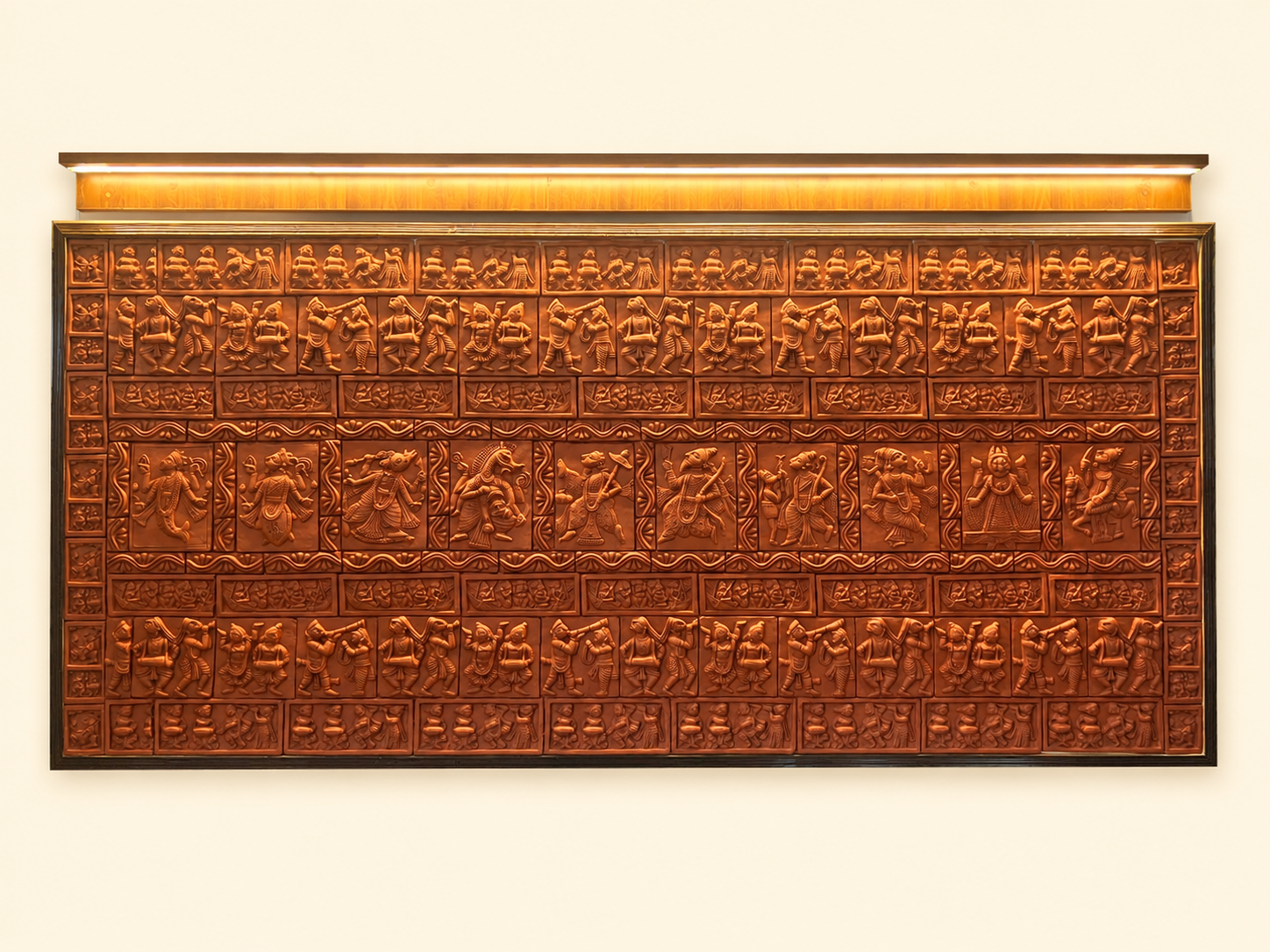
Bengal has been modelling figures in clay since the Chandraketugarh terracottas of the 2nd century BCE. The craft reached its height at Bishnupur in the 17th and 18th centuries, when the Malla kings — with little building stone in the delta — raised entire temples faced in moulded terracotta, panel by panel. Today the same red clay is dug, wedged and fired in Panchmura’s kilns, home of the Bankura horse.
Terracotta · Panchmura
Terracotta · Panchmura
Terracotta · Panchmura

Terracotta · Panchmura
Terracotta · Panchmura

Terracotta · Panchmura

Terracotta · Panchmura
Terracotta · Panchmura
Terracotta · Panchmura
₹18,000
Terracotta · Panchmura
Terracotta · Panchmura

Terracotta · Panchmura
Terracotta · Panchmura

Terracotta · Panchmura
Bengal has been modelling figures in clay since the Chandraketugarh terracottas of the 2nd century BCE — plaques of gods, dancers and animals that already show a sure, practised hand. Clay was the region’s first medium: abundant, cheap, and easy to fire in a village kiln.
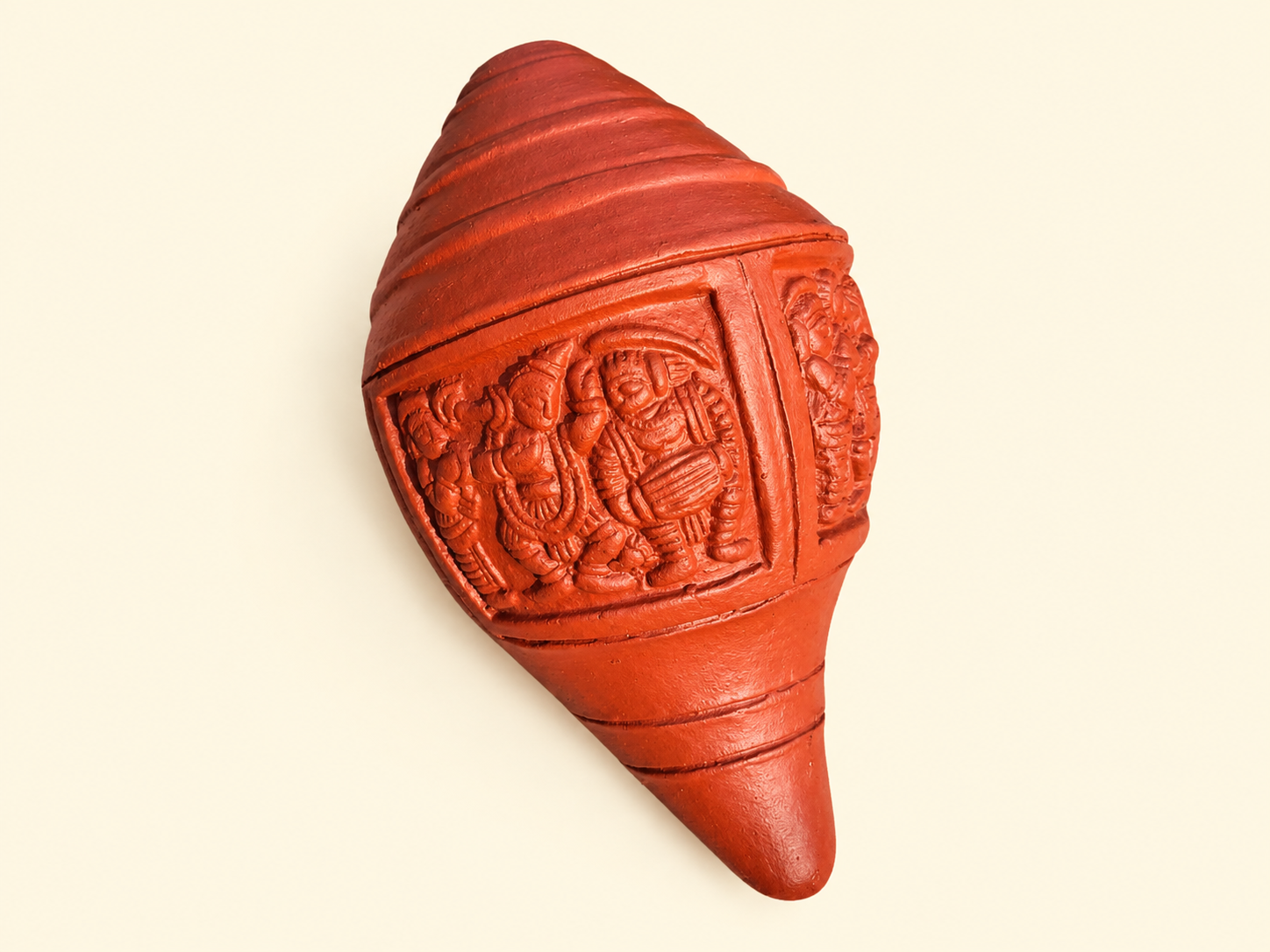
The craft reached its height in the 17th and 18th centuries at Bishnupur, where the Malla kings — with little building stone in the delta — raised entire temples faced in moulded terracotta. Panel by panel, village potters pressed the Ramayana and the Mahabharata into the walls.
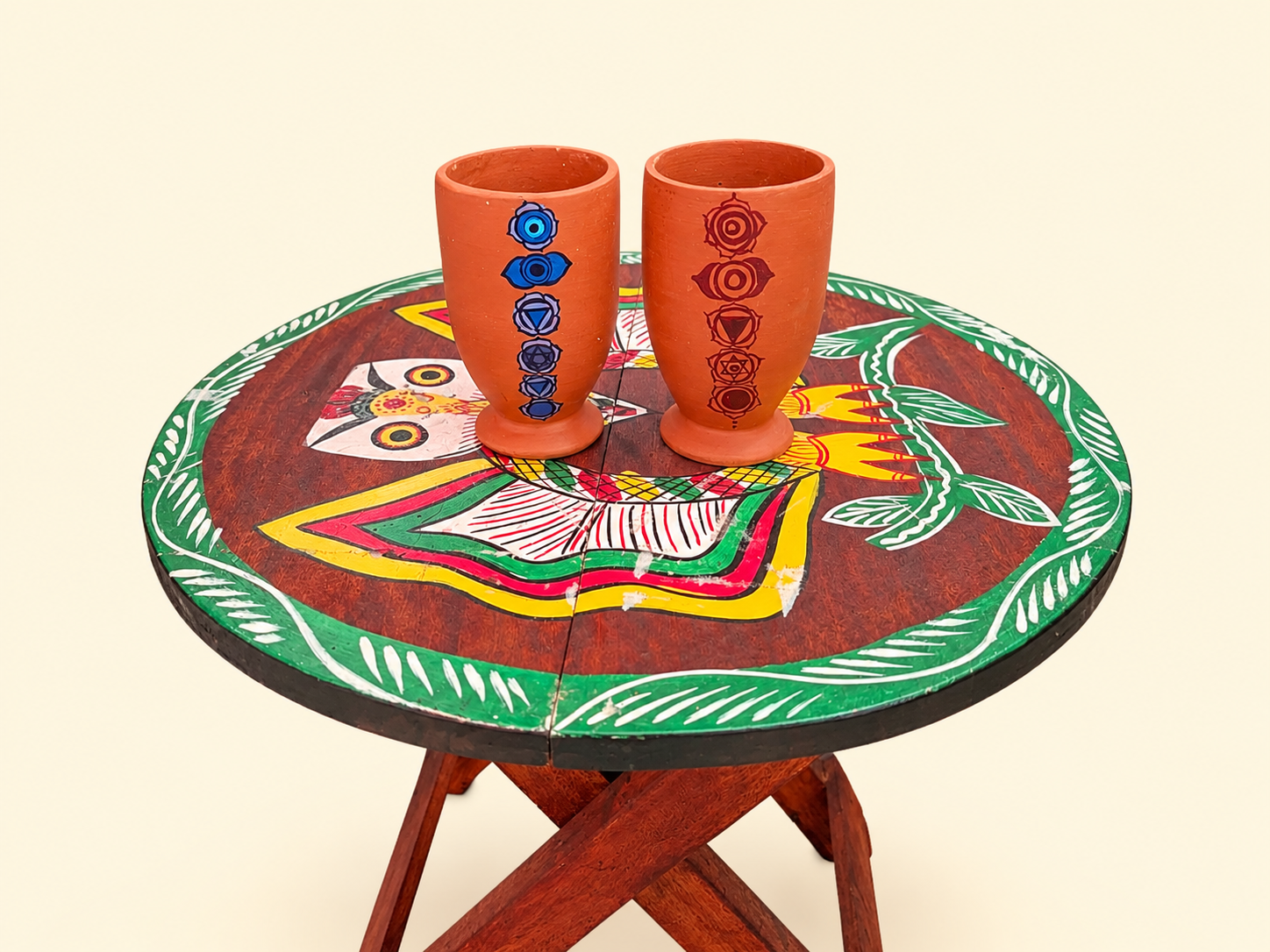
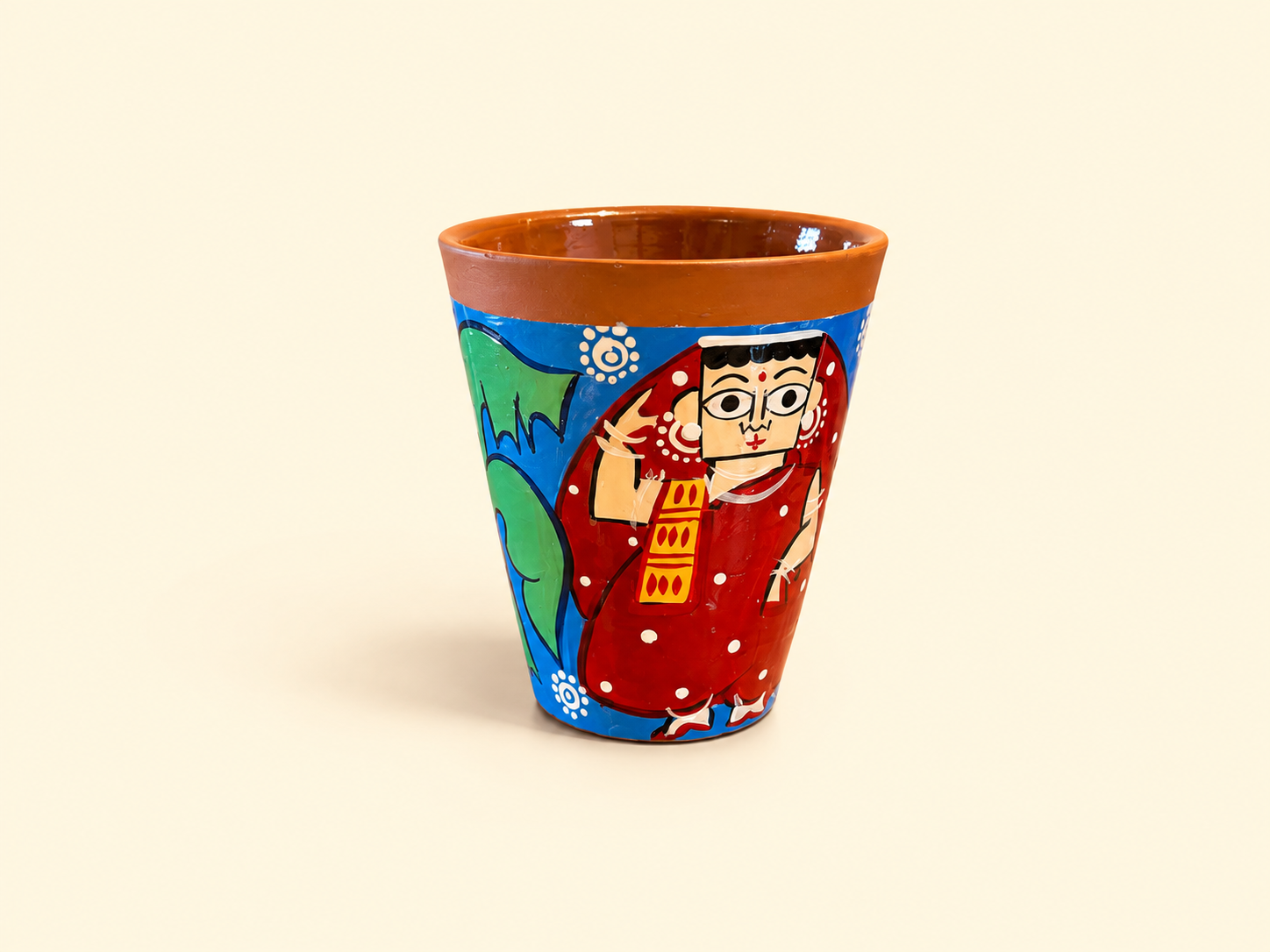
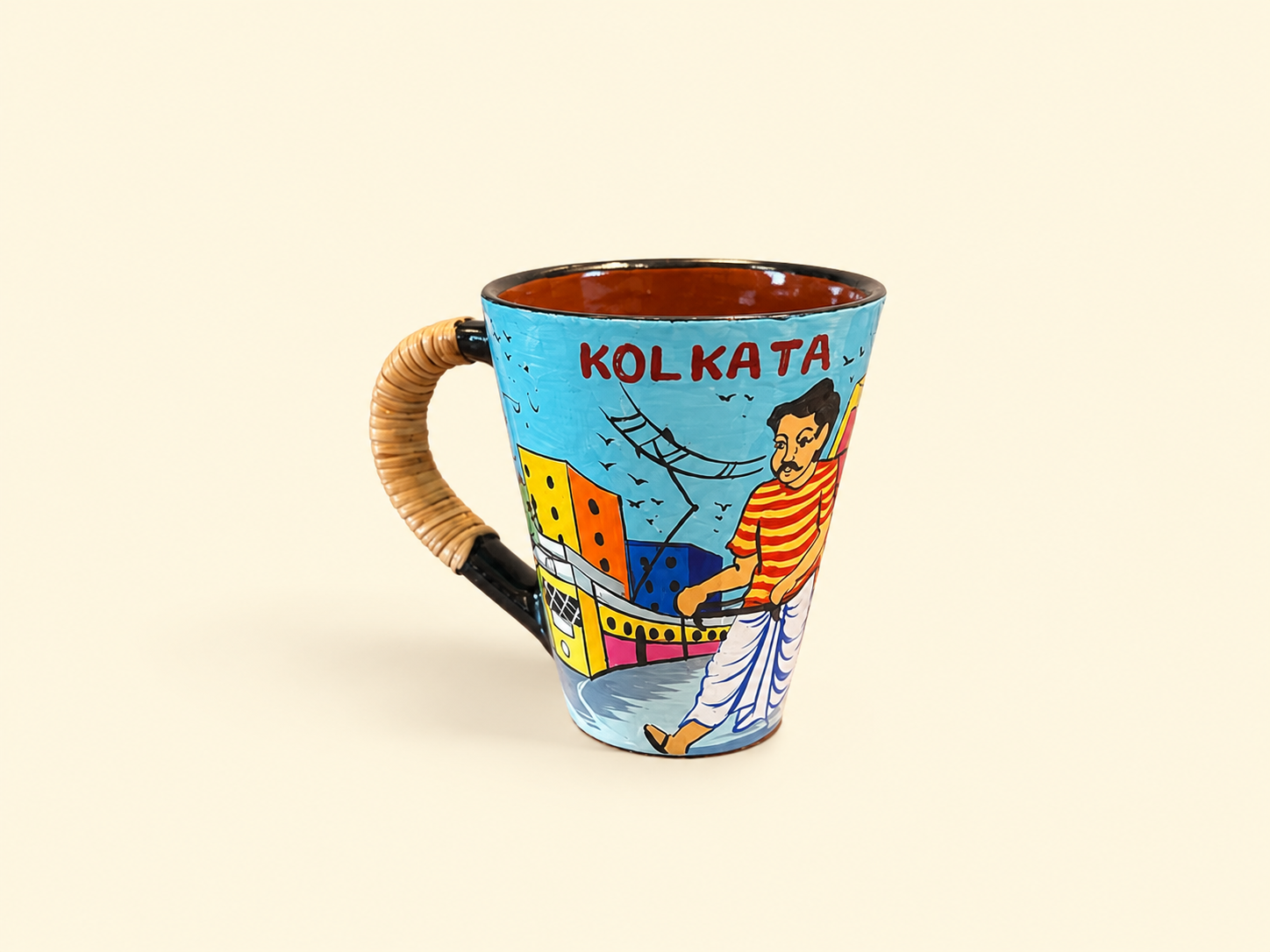
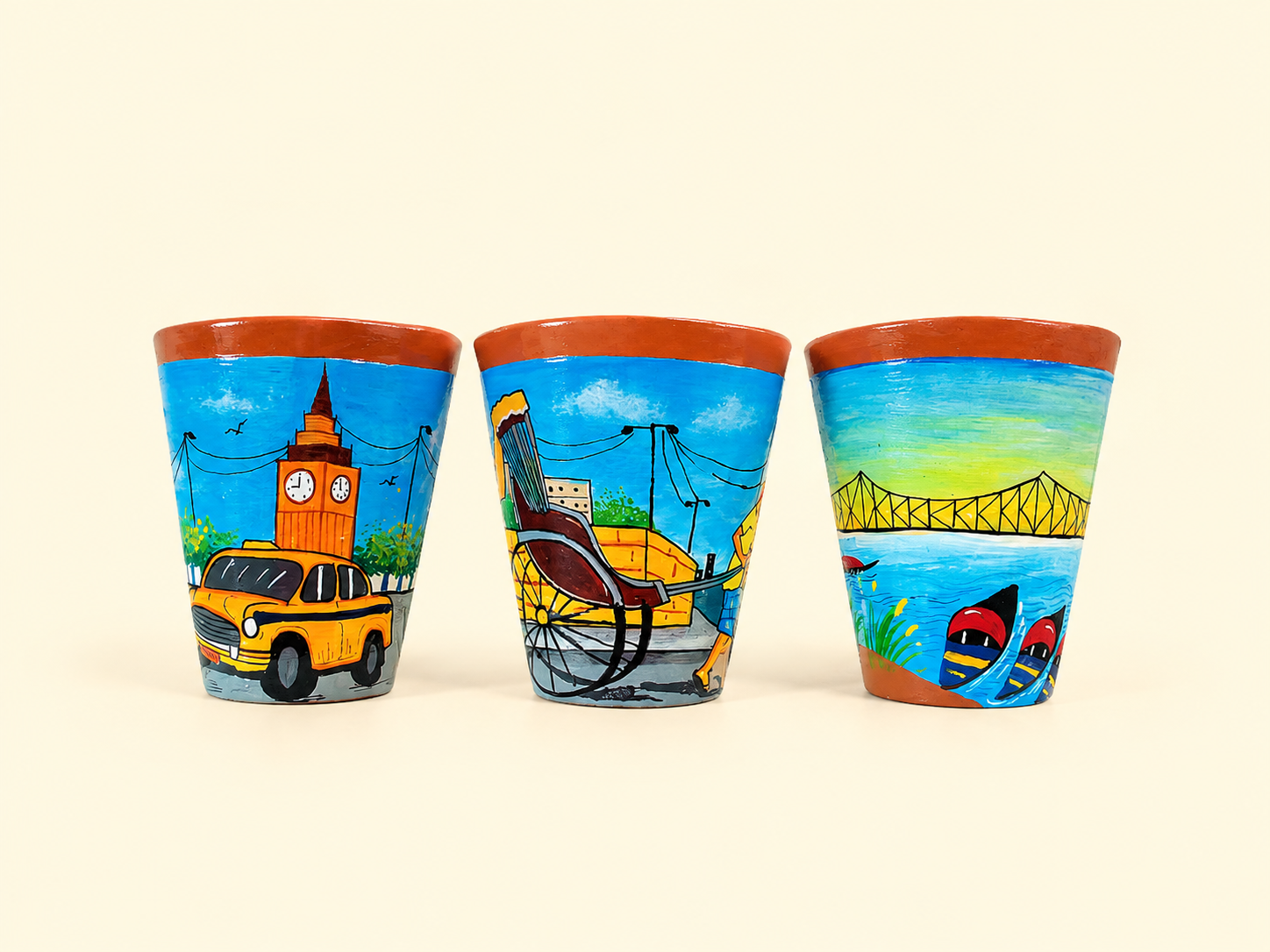
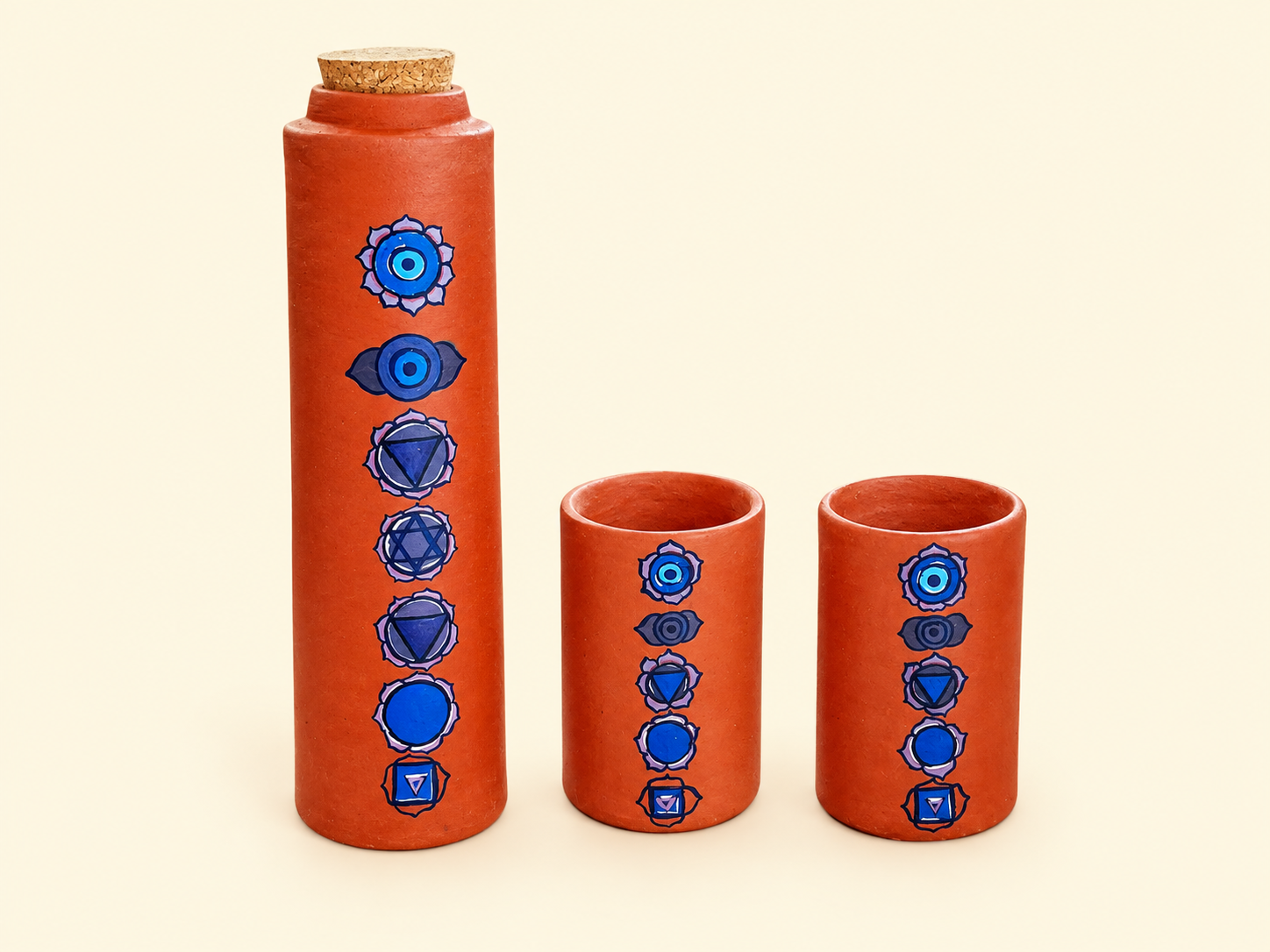
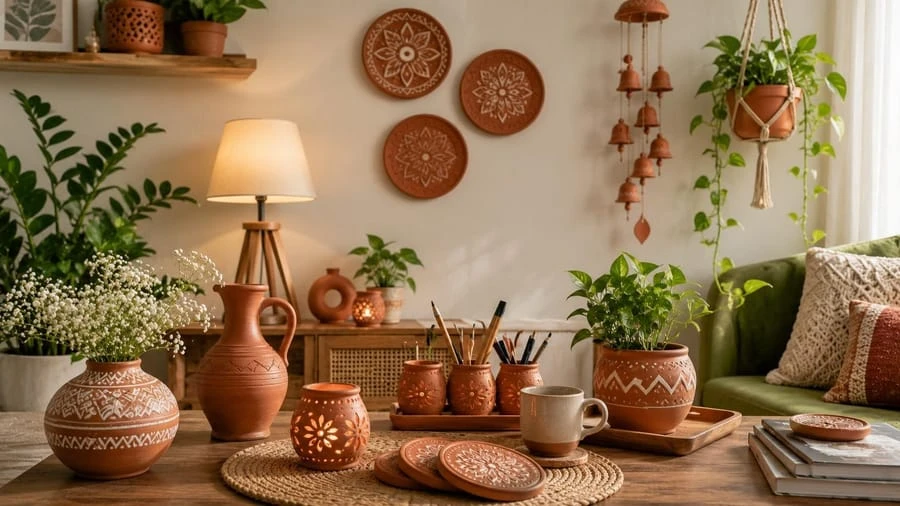
When the temples were finished, the potters kept turning the wheel. As metal and then plastic replaced clay in the kitchen, the craft narrowed to ritual and decorative work — and there it survived. Now it is finding its way back to the table, as kulhads, tumblers and bottles painted with Kolkata street scenes and folk figures.
Long-necked, ears erect, body hollow and stylised to a few confident lines — the Bankura horse is the best-known object in Bengal craft. It began as a votive offering, left by villagers at the shrines of local deities in thanks for a prayer answered. Its form became the emblem of Indian handicraft, and in 2018 Bankura Panchmura Terracotta received a Geographical Indication tag.
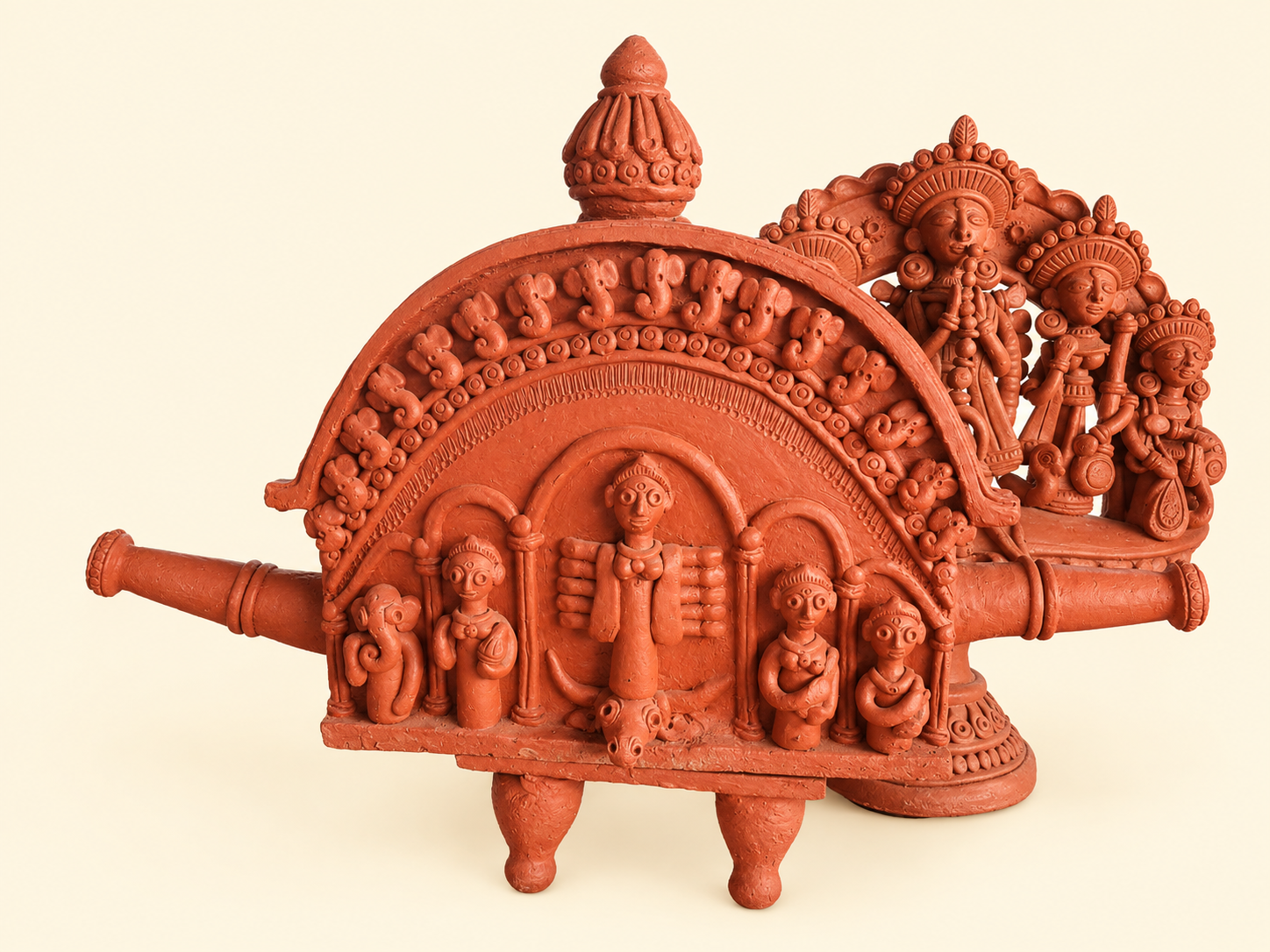
The living centre of the craft is Panchmura, a potters’ village in Bankura district of West Bengal, about 25 km from Bishnupur. Around eighty Kumbhakar families here work the local iron-rich red clay on kick-wheels and in hand-moulds. Panchmura is the home of the Bankura horse; its kilns also turn out elephants, relief panels, lamps and, increasingly, painted tableware.
Iron-rich clay is dug locally, cleaned of grit and wedged by foot until even.
Thrown on a kick-wheel; tall forms like the horse are built in sections and joined wet.
Pieces dry slowly in shade over several days so they don’t crack.
Fired in an open updraft kiln, where the iron turns the clay red; tableware is then hand-painted.
Every piece is fired bare clay, so tone varies kiln to kiln and small surface marks are normal. Soak new kulhads, bottles and tumblers in water overnight before first use, and hand-wash painted pieces gently without soap or scrubbing on the painted side. Dust decorative pieces with a soft dry brush.